





























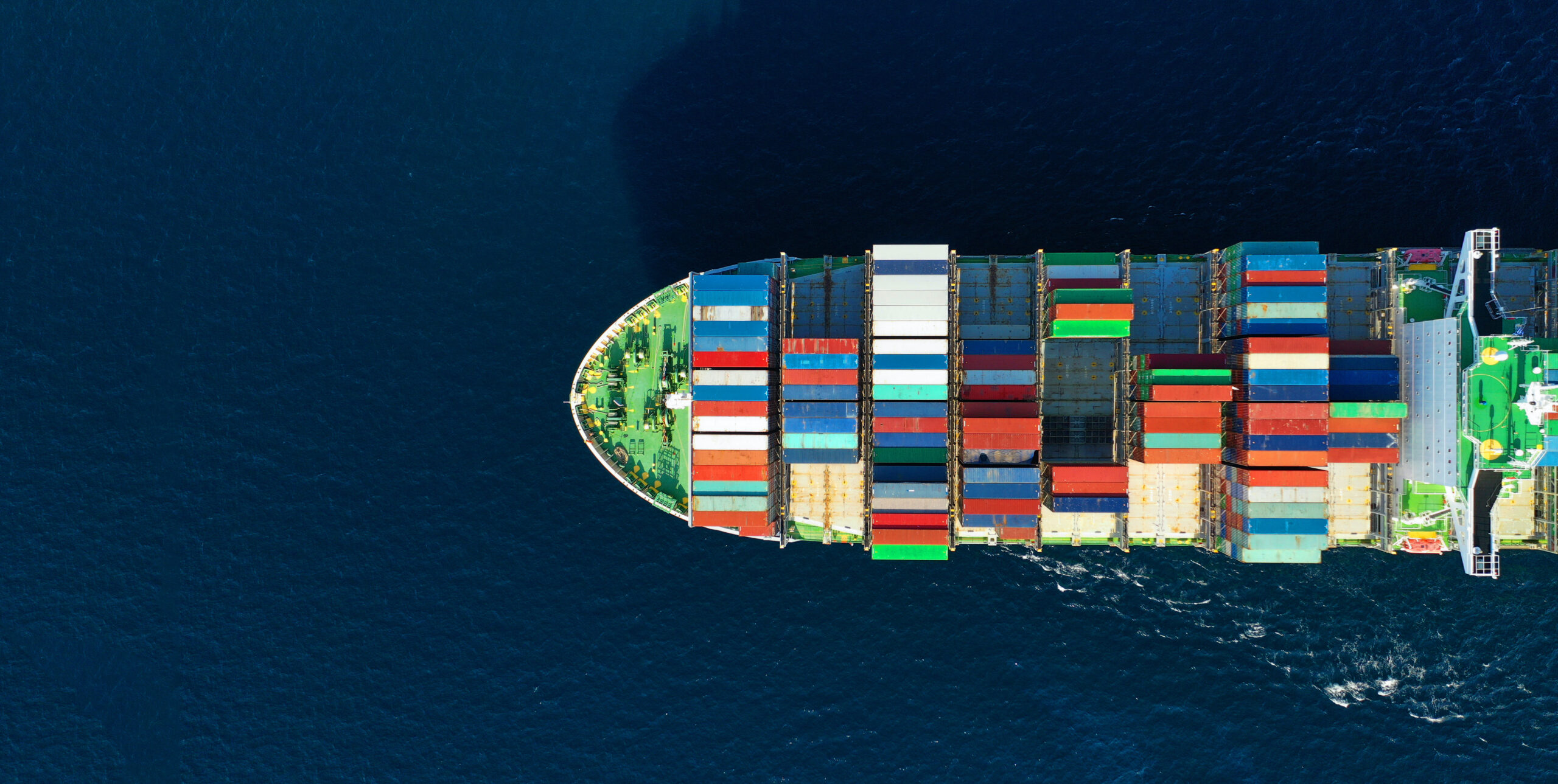
In the world of international business, understanding the language of shipping is essential for smooth operations, cost management, and effective communication across global supply chains. Whether you’re importing goods from Asia, exporting products to Europe, or negotiating with freight forwarders, knowing key shipping words will empower you to navigate the complex logistics landscape with confidence. Here’s a guide to the most important shipping terms every business should know.
- Incoterms: The Language of Trade
Incoterms, short for International Commercial Terms, are standardized trade terms published by the International Chamber of Commerce (ICC). They clarify the responsibilities of buyers and sellers during shipping, including who handles costs, risks, and logistics at each stage of the journey.
- EXW (Ex Works): The seller makes goods available at their premises. The buyer bears all costs and risks from the seller’s location to the final destination.
- FOB (Free on Board): The seller delivers goods onto the vessel at the agreed port of shipment. The buyer assumes risk and costs from that point forward.
- CIF (Cost, Insurance, and Freight): The seller covers costs, insurance, and freight to deliver goods to the port of destination. However, the risk transfers to the buyer once the goods are loaded onto the ship.
- DAP (Delivered at Place): The seller delivers goods to the buyer’s specified location, but the buyer handles import duties and taxes.
Understanding Incoterms ensures that both parties agree on responsibilities upfront, avoiding costly misunderstandings in international transactions.
Join The European Business Briefing
New subscribers this quarter are entered into a draw to win a Rolex Submariner. Join 40,000+ founders, investors and executives who read EBM every day.
Subscribe- Bill of Lading (BOL): Your Shipping Receipt
A Bill of Lading is one of the most critical documents in international shipping. It serves as:
- A receipt issued by the carrier to confirm goods were received.
- A contract between the shipper and carrier for transporting goods.
- A title of ownership, which allows goods to be transferred or claimed by the consignee.
There are two main types:
- Straight BOL: Non-negotiable and issued to a specific consignee.
- Negotiable BOL: Allows ownership to be transferred through endorsements, often used for securing payment in trade finance.
A properly issued Bill of Lading is essential for ensuring the smooth movement of goods across borders and serves as proof in case of disputes.
- Freight Forwarder: Your Logistics Partner
A freight forwarder is a company that acts as an intermediary between the shipper and various carriers (air, sea, or land). They organize the transportation of goods, handle documentation, and provide cost-effective shipping solutions. Freight forwarders are particularly valuable for small businesses or first-time exporters, as they simplify the logistics process.
Their responsibilities often include:
- Booking cargo space.
- Preparing shipping documents (like the BOL and export declarations).
- Coordinating customs clearance.
- Arranging insurance coverage.
Partnering with a trusted freight forwarder can save you time and minimize risks when navigating international shipping.
- Customs Clearance: Crossing Borders Legally
Customs clearance is the process of moving goods through customs authorities to enter or leave a country. This involves:
- Customs Declaration: A document that outlines details of the shipment, such as value, origin, and description of goods.
- Duties and Taxes: Import duties, tariffs, and value-added tax (VAT) must be paid based on the declared value and trade regulations.
Key terms to know include:
- HS Code (Harmonized System Code): A standardized code used to classify traded products for customs purposes.
- Import Duties: Taxes levied on goods entering a country.
- Customs Broker: A licensed professional who assists with customs clearance, ensuring compliance and accurate documentation.
Failing to comply with customs regulations can lead to delays, fines, or even seizure of goods, making this stage critical for international trade.
- Freight Charges and Shipping Costs
Understanding the components of freight charges will help you better plan your costs:
- Freight Rate: The cost charged by carriers for transporting goods. Rates depend on distance, weight, volume, and shipping method (e.g., sea, air, or land).
- Demurrage and Detention: Fees charged when cargo remains in the port or shipping container longer than the allowed free period.
- LCL (Less than Container Load): Shipping goods that don’t fill an entire container. You share space with other shippers, making it cost-effective for smaller shipments.
- FCL (Full Container Load): Renting an entire container exclusively for your goods, often cheaper per unit for large volumes.
Knowing how freight charges are calculated can help you negotiate better terms and reduce overall shipping expenses.
- Cargo Insurance: Protecting Your Goods
International shipping involves risks such as theft, loss, or damage to goods in transit. Cargo insurance protects businesses by covering these risks, ensuring you don’t suffer major financial losses.
Two common types of cargo insurance are:
- All Risk Insurance: Provides broad coverage for loss or damage.
- Total Loss Insurance: Covers only total, catastrophic loss of the shipment.
Securing proper insurance is especially important for high-value goods or shipments traveling through regions with challenging logistics.
- Lead Time: Planning Ahead
Lead time refers to the total time it takes for goods to be delivered from the supplier to the final destination. This includes manufacturing, shipping, and customs processing. Long lead times can disrupt supply chains, so businesses must:
- Plan ahead for production schedules and shipping delays.
- Choose faster transport modes like air freight for time-sensitive shipments.
- Regularly communicate with suppliers and logistics partners to avoid surprises.
Conclusion
Understanding key shipping terms empowers businesses to operate more efficiently in the global marketplace. From Incoterms and Bills of Lading to customs clearance and freight charges, mastering these terms enables you to plan better, reduce risks, and improve communication with logistics providers, carriers, and clients.
Whether you’re a seasoned exporter or new to international trade, having this knowledge in your toolkit will give you the confidence to navigate complex shipping processes and build stronger global business relationships