































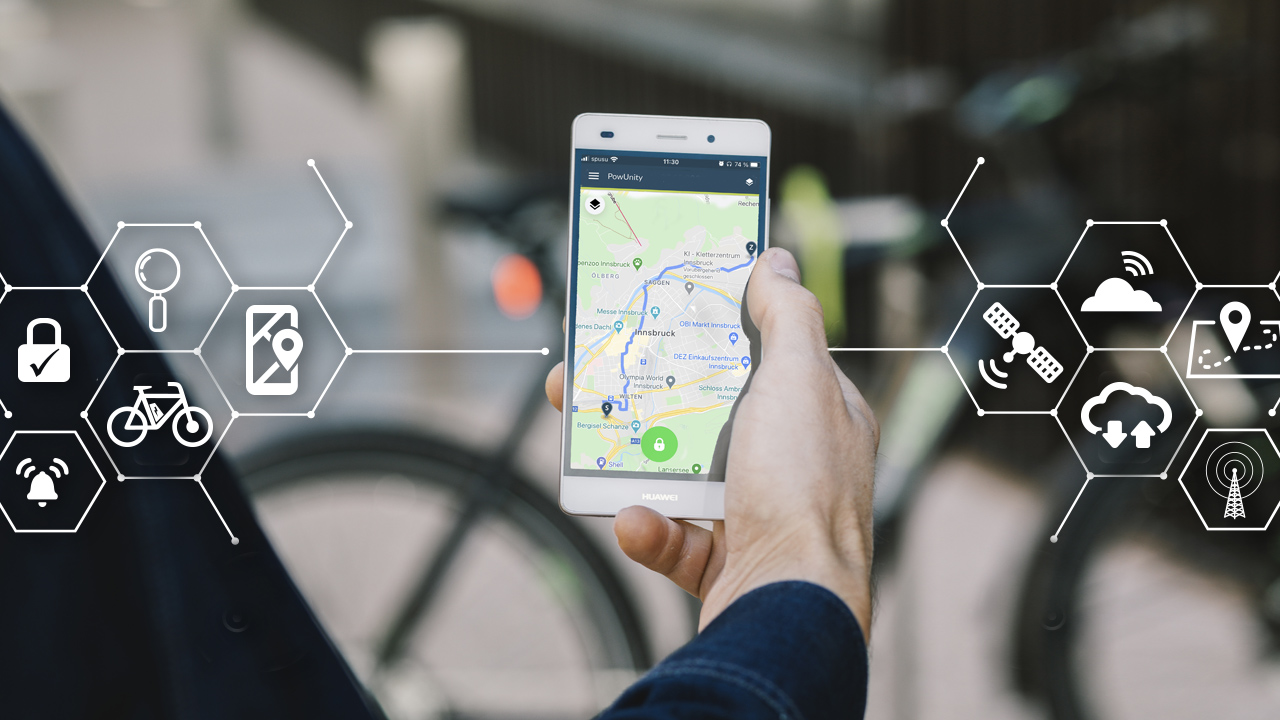
A key advantage of real-time alerts in GPS tracking solutions is your ability to respond quickly to unexpected events, making your operations more efficient and reducing risks. For businesses managing a fleet of vehicles, real-time alerts can provide immediate notifications about unauthorized use or deviations from set routes, offering opportunities for swift intervention and increased security. This feature not only helps in tracking assets but also improves your decision-making ability by providing instant information.
In personal use, such as tracking vehicles, motorcycles, or pets, real-time alerts offer peace of mind by letting you know exactly where they are at any moment. These GPS-tracking tools are increasingly important in today’s fast-paced world, providing timely updates and valuable insights. Platforms designed for tracking multiple items, like a GPS tracking platform, can help you keep everything in check without hassle.
For users who rely on GPS tracking apps for their vehicles or pets, real-time notifications can make a big difference in safety and convenience. By staying informed at all times, you can enjoy greater control and oversight, allowing for the effective management of anything you set out to track.
Join The European Business Briefing
New subscribers this quarter are entered into a draw to win a Rolex Submariner. Join 40,000+ founders, investors and executives who read EBM every day.
SubscribeImproving Fleet Management with Real-Time GPS Tracking
Real-time GPS tracking offers a powerful way to boost fleet efficiency and safety. You can see exactly where your vehicles are, manage assets better, and reduce costs by making smarter decisions.
Improving Operational Efficiency and Productivity
Real-time tracking allows you to monitor your fleet continuously. This can help you respond quickly to changes. For instance, if a vehicle is stuck in traffic, you can redirect it to a faster route. This guarantees that deliveries are on time, reducing vehicle downtime and increasing customer satisfaction.
Tracking vehicles also helps with asset management. You can keep tabs on each vehicle’s location and usage, improving fleet operations. Maintenance alerts guarantee that you can schedule repairs promptly, reducing unexpected breakdowns.
Finally, tracking increases productivity by allowing better coordination between drivers and dispatchers. You can assign tasks based on a vehicle’s real-time location, saving time and fuel. This improves fleet efficiency and streamlines operations.
Optimizing Route Planning and Execution
With real-time GPS data, you can improve route planning significantly. You have full visibility into traffic conditions. This allows you to plan routes that avoid busy roads, reducing travel time and fuel consumption. Optimized routes lead to decreased fuel costs and better adherence to schedules.
GPS technology helps you identify patterns in your routes. When you use this information, you can modify routes for better efficiency. For example, an alternate route consistently saves time during peak hours.
Monitoring tools provide insights into driver behavior and adherence to planned routes. If a driver deviates from the path, you can adjust quickly to prevent delays. Real-time monitoring enables smoother and more consistent fleet operations.
Guaranteeing Driver Safety and Reducing Fleet Costs
Real-time GPS tracking is an important tool for boosting driver safety. Devices such as a GPS receiver help identify risky driving habits like speeding or hard braking, enabling prompt feedback. These alerts can lower accident rates, reducing insurance costs.
Monitoring also means you can set up safety alerts for harsh driving events. You address issues quickly, promoting safer driving. As a result, your fleet remains secure, which can lead to fewer accidents and lower insurance premiums.
By spending less on fuel and maintenance, you reduce overall fleet costs. Tracking systems help identify inefficient driving patterns and excess idling. This data helps reduce waste and leads to significant cost savings across the fleet.
Advantages of Leveraging Data with GPS Tracking Systems
Leveraging data in GPS tracking systems can transform logistics, improve customer service, and improve security. These systems offer valuable insights that help make informed decisions and optimize various operational aspects.
In-depth reporting and Data-Driven Decisions
GPS tracking systems give you access to detailed reports that can significantly influence decision-making. These reports provide insights into driver behavior, fuel efficiency, and asset utilization.
Using reliable data, you can identify trends and address issues that impact operational costs. For example, monitoring driver routes can help reduce fuel consumption by choosing efficient paths. Comprehensive data also supports inventory management by offering real-time asset tracking systems.
Such data-driven decisions lead to cost savings and optimized resource allocation.
Maximizing Customer Service through Accurate Location Data
Real-time GPS tracking offers precise location updates, which is important for improving customer service. Providing customers with accurate delivery times increases satisfaction and trust. You can use tracking technology to send location updates and real-time alerts to customers, keeping them informed about their orders.
This level of transparency not only boosts customer service but can increase customer satisfaction as customers feel more connected to the process. Moreover, by integrating GPS software into your operations, you can address any delivery hiccups promptly, improving the overall service experience.
Elevating Security with Geofencing and Alert Features
Geofencing is a powerful tool that improves security by creating virtual boundaries for fleets or assets. With this feature, you can receive instant alerts if an asset exits an authorized area. This capability is invaluable for theft prevention and can aid law enforcement in recovering stolen property.
By implementing this technology, organizations gain peace of mind knowing their assets are monitored. Additionally, driver behavior monitoring improves safety by alerting you to risky driving patterns. Combining geofences with real-time GPS tracking lets you maintain high security and operational integrity across your logistics operations.
Conclusion
Real-time alerts in GPS tracking bring significant advantages to managing fleets. They provide immediate notifications about unexpected events, helping you respond quickly to theft or accidents. This improves the overall safety of vehicles and assets.
By using real-time alerts, you gain better control over operations. These alerts allow for quick decision-making, leading to more efficient use of resources. This helps in reducing downtime and maintaining smooth operations.
In addition, monitoring driving behavior is more straightforward with real-time alerts. This encourages safer driving, which can reduce maintenance costs and improve safety on the road. Integrating real-time alerts is a smart move for any fleet management system.