






























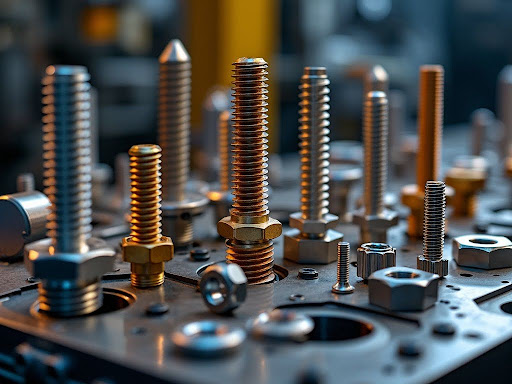
In many industries, product durability is a critical concern, and choosing the right fasteners plays a significant role in ensuring long-lasting performance. Custom fastener, designed for specific applications, not only improve the structural integrity of products but also contribute to their overall lifespan. By tailoring fastener specifications to meet exact operational needs, companies can reduce wear and tear, prevent failure, and maintain the product’s strength under various conditions.
1. Tailored to Exact Specifications
One of the primary advantages of custom fasteners is their ability to be designed and manufactured to meet precise specifications. Off-the-shelf fasteners may not always meet the specific requirements of a product, especially when it comes to stress points, material compatibility, or environmental factors. Custom fasteners allow engineers to create solutions that ensure optimal performance, reducing the chances of premature failure.
For instance, fasteners used in marine environments need to withstand corrosion from saltwater, while fasteners in high-heat settings must resist expansion. By designing fasteners tailored to these specific environments, companies can significantly extend the lifespan of their products.
Join The European Business Briefing
New subscribers this quarter are entered into a draw to win a Rolex Submariner. Join 40,000+ founders, investors and executives who read EBM every day.
Subscribe2. Enhanced Material Selection
Custom fasteners offer the flexibility to choose the best materials suited for the application. Standard fasteners may be made from common metals such as stainless steel, but custom solutions allow for more specialized materials like titanium, brass, or even non-metallic materials, which may better suit the needs of the product.
This enhanced material selection can directly contribute to the longevity of a product. For example, fasteners used in aerospace or automotive applications may benefit from high-strength alloys that are both lightweight and durable, while fasteners in electronics may require corrosion-resistant materials to maintain performance over time. The ability to select materials based on the environment and application ensures that the fasteners—and by extension, the product—will remain functional for an extended period.
3. Resistance to Wear and Tear
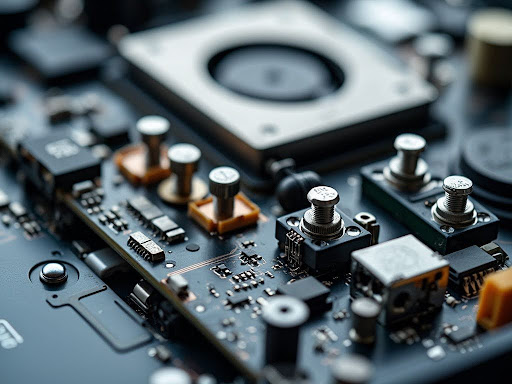 The operational environment often dictates the longevity of a product. Products subjected to constant vibration, movement, or pressure can experience increased wear and tear, especially in joints and connections held together by fasteners. Custom fasteners, designed with these challenges in mind, can be manufactured to resist these stresses, ensuring that the product remains intact and functional.
For example, custom fasteners used in heavy machinery or construction equipment can be designed with specific coatings, such as anti-corrosion or anti-galling treatments, to prevent degradation over time. This resistance to wear and tear ensures that the machinery remains in service longer, reducing downtime and maintenance costs.
4. Improved Corrosion Resistance
Corrosion is one of the leading causes of product failure, especially for products used in outdoor or harsh environments. Standard fasteners may not provide the necessary corrosion resistance required for such applications, leading to rust, weakening, and eventual failure.
Custom fasteners, on the other hand, can be engineered with coatings or materials that offer superior resistance to corrosion. For instance, fasteners used in marine or industrial environments can be galvanized, coated with a corrosion-resistant finish, or manufactured from materials such as stainless steel or aluminum alloys. These customizations extend the life of both the fastener and the product by protecting critical joints and components from the damaging effects of corrosion.
5. Enhanced Load-Bearing Capacity
In many applications, the ability of a product to bear loads over time is a key factor in its longevity. Fasteners play a vital role in maintaining the structural integrity of load-bearing components, ensuring that the product can handle the required stress without failure.
Custom fasteners can be designed to bear specific loads, distributing weight more evenly and reducing stress on individual components. This is particularly important in industries like aerospace, automotive, and construction, where even minor failures in fasteners can lead to catastrophic outcomes. By engineering fasteners that can withstand higher load capacities, the overall durability of the product is improved.
6. Enhanced Vibration and Shock Resistance
Products subjected to constant movement, such as vehicles or machinery, are often at risk of damage due to vibration and shock. Standard fasteners may loosen or fail over time under these conditions, but custom fasteners designed with vibration resistance in mind can help prevent such issues.
For example, fasteners designed with locking mechanisms or specialized threading can prevent loosening caused by vibration, ensuring that the product remains secure and operational over time. This is especially important for products that are continuously exposed to dynamic forces, as any failure in fasteners can lead to significant damage or costly repairs.
7. Optimized Design for Complex Assemblies
Some products require complex assemblies with multiple components, each contributing to the product’s functionality. In such cases, the fasteners used to join these components must be carefully designed to fit the product’s specific geometry and requirements.
Custom fasteners provide the flexibility to create optimized designs for complex assemblies, ensuring that all components fit together seamlessly. By reducing misalignments and improving the overall assembly process, custom fasteners help maintain the product’s integrity and prevent issues that could shorten its lifespan. For instance, fasteners used in electronics or medical devices must be precisely designed to ensure that all components are securely held in place without damaging sensitive parts.
8. Minimizing Maintenance and Repair Costs
Products designed with custom fasteners tend to require less maintenance and fewer repairs over time. Since custom fasteners are created to withstand the specific stresses and environmental conditions of the product, they are less likely to fail or degrade prematurely.
This reduction in maintenance and repair costs not only saves money but also contributes to a longer product life. For companies that rely on long-term performance, the use of custom fasteners can provide a significant return on investment by reducing downtime, improving reliability, and extending the overall life of the product.
9. Sustainability and Long-Term Use
With increasing emphasis on sustainability and environmental responsibility, extending the lifespan of products is becoming more important than ever. Custom fasteners can contribute to this effort by enhancing the durability and performance of products, reducing the need for frequent replacements and minimizing waste.
By investing in high-quality, custom fasteners, companies can create products that are not only more reliable but also more environmentally friendly. Long-lasting products mean fewer resources are used in manufacturing replacements, leading to a smaller environmental footprint over time.
Conclusion
Custom fasteners are a crucial component in ensuring product longevity across various industries. By offering enhanced material selection, improved resistance to environmental factors, and the ability to meet specific design requirements, custom fasteners can significantly improve the durability and lifespan of products. In industries where reliability and long-term performance are essential, investing in custom fasteners can result in reduced maintenance costs, fewer failures, and ultimately, greater product longevity.