



























During the past six months, the Moroccan pharmaceutical industry has shown a high degree of reliability and resilience. Put under extreme stress by a strong demand, especially for treatments included in the therapeutic protocol for Covid-19, the Kingdom’s local pharma manufacturers doubled their efforts to ensure national supply for essential drugs.
Under the leadership of King Mohammed VI, The Moroccan Pharma Industry mobilized all of its production capacity from the outset to maintain its activity in the best conditions and secure the supply of raw materials and finished products in order to avoid any possible shortage.
Thanks to the agility and anticipation of Moroccan manufacturers in this strategic sector which employs more than 50,000 people, no stock shortage of locally manufactured drugs has been recorded, particularly for molecules that are part of the treatment protocol against Covid-19, including Paracetamol, Vitamin C, Hydroxychloroquine, Azythromycin, Heparin, or Amoxi-clav. The production and distribution of several million boxes have been ensured continuously for the benefit of the Ministry of Health, main hospitals and health establishments in the Kingdom as well as wholesalers and pharmacies spread across the country.
Join The European Business Briefing
New subscribers this quarter are entered into a draw to win a Rolex Submariner. Join 40,000+ founders, investors and executives who read EBM every day.
SubscribeAgility and Anticipation
Representing more than $1.68 billion in sales in 2019, including 17% from exports, the Kingdom’s Pharma Industry aims to position itself as a new regional “Hub” between Africa and Europe, based on a recognized expertise of over 60 years and cutting-edge ecosystems in logistics, transport and technology.
A month ago, Lamia Tazi Director General of Sothema and Secretary General of the Moroccan Association of Pharmaceutical Industry (AMIP), highlighted the multiple assets of the Kingdom as “a stable ally in the south of the Mediterranean able to ensure security and Health prosperity of the whole region”, in an Op-Ed published in Parliament Magazine. She explains in particular why Morocco meets all the conditions to become the best production platform for Europe to address the 400 million consumers of the large North and West Africa – Southern Europe zone.
Thanks to this policy, the region as a whole will be able to benefit from an industrial base for the “Best Cost” drug meeting European quality standards, which will contribute to maintaining or even creating thousands of jobs, in Morocco but also in Europe and Africa, as well as a possible leverage effect towards the Middle East.
A “Hub” between Europe and Africa
To capitalize on the gains made in this area, Moroccan industrialists in the sector are calling for an intensification of efforts by increasing the incentive actions, including the strengthening of the criteria of the status of industrial pharmaceutical establishment (PPE), co-location, acceleration of technology transfers, encouragement of research and innovation, specific incentives for local manufacture and the development of generics, as well as the expansion of health insurance.
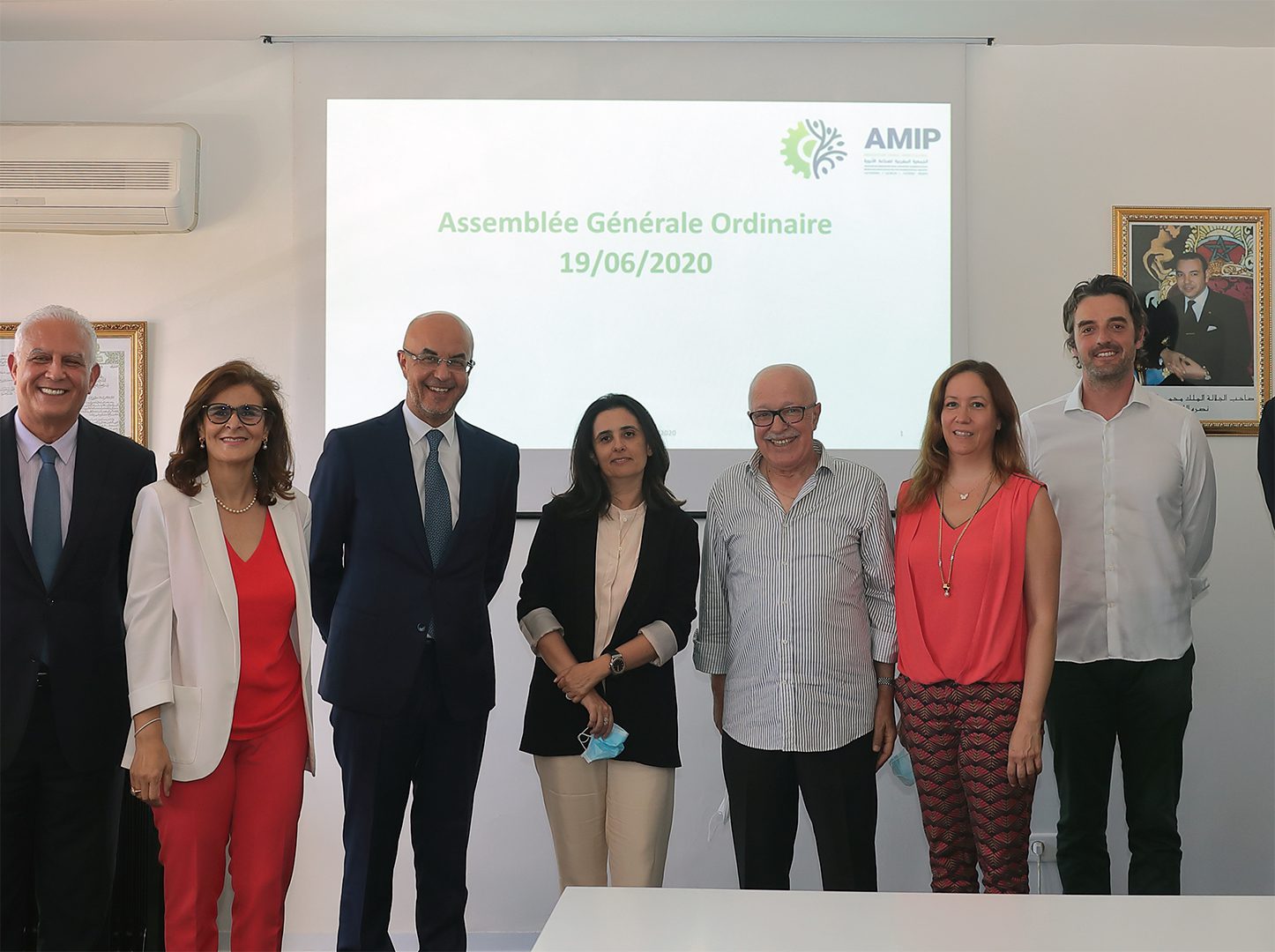
Bringing together the 29 main players in the sector, AMIP unveiled its ambitions and new strategic directions on June 19 in Casablanca. Considering the global reconfiguration of drug value chains caused by the coronavirus, as well as the rise of a Euro-African export offer of which Morocco would be the center of gravity, the association chaired by Ali Sedrati reiterated its commitment to improve the accessibility of innovative and generic drugs in Morocco and Africa.
Classified by the World Health Organization in the “Europe” zone, Morocco has developed a local drug production considered to be one of the most efficient on the continent, having notably contributed to the eradication of several pathologies and committed to supporting Africa in facing Covid-19 as well as the prevention of future pandemics.
As a reminder, last April, the members of the Association founded in 1987 made substantial donations including large stocks of medicines and protective equipment, as well as a contribution of 55 million dirhams (5 million €) to the special solidarity fund initiated by King Mohammed VI.