





























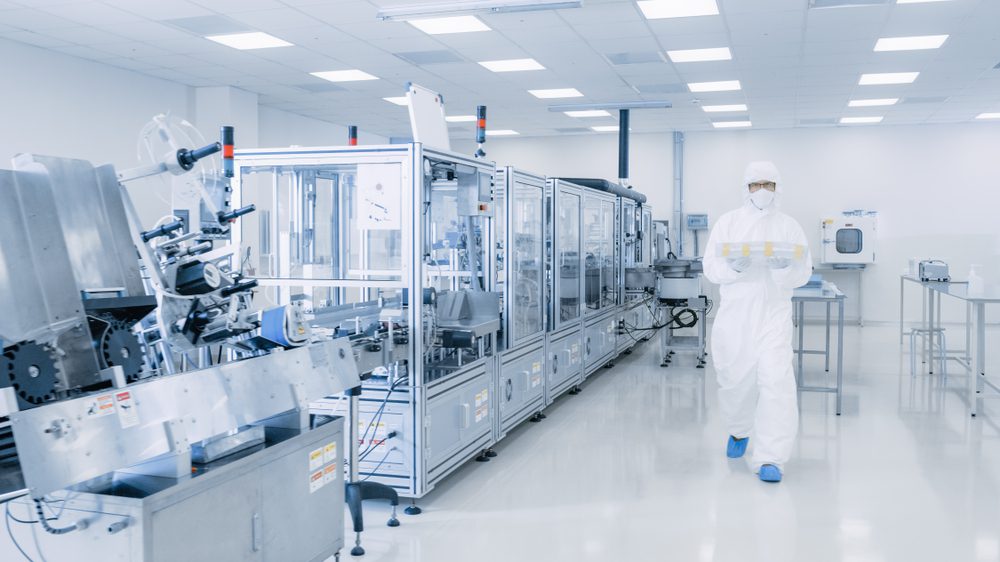
Transparent equipment covers have come a long way from their initial designs. Early models were often cumbersome and made from materials that did not offer the best visibility or protection.
Today, you find a variety of covers made from advanced materials such as polycarbonate and other high-performance plastics which can be found from Simpy Plastics.
These materials provide exceptional clarity, durability, and resistance to chemicals, making them ideal for laboratory environments.
Join The European Business Briefing
New subscribers this quarter are entered into a draw to win a Rolex Submariner. Join 40,000+ founders, investors and executives who read EBM every day.
SubscribeThis article explores the latest advancements in transparent equipment covers and their impact on modern laboratories.
Enhancing Safety and Efficiency
One of the primary benefits of modern transparent equipment covers is the significant enhancement of safety.
By allowing clear visibility of the equipment and processes, these covers enable you to monitor experiments without direct exposure to potentially hazardous substances.
This is particularly important in environments where volatile chemicals or biological agents are handled.
Furthermore, these covers help in maintaining a controlled environment, reducing the risk of contamination. In turn, this leads to more accurate and reliable experimental results.
The durability of the materials used also means that these covers can withstand frequent use and cleaning, contributing to a more efficient and safer laboratory workflow.
Customisation and Adaptability
Another innovation in transparent equipment covers is the ability to customise them according to specific needs.
Modern laboratories often require bespoke solutions to accommodate various instruments and experimental setups.
Advances in manufacturing techniques, such as 3D printing and precision moulding, have made it possible to produce custom covers that fit perfectly and meet the unique requirements of different laboratories.
This level of customisation ensures that every piece of equipment is adequately protected, enhancing overall laboratory efficiency.
Additionally, these bespoke covers can be designed to include features such as ports for cables and tubing, which further streamline laboratory operations.
Environmental Considerations
In today’s world, sustainability is a crucial consideration in all aspects of manufacturing and product development.
The production of transparent equipment covers is no exception. Innovations in this field have led to the development of covers made from recyclable and biodegradable plastics.
These materials not only reduce the environmental impact but also comply with stringent laboratory standards.
Using environmentally friendly materials does not compromise the quality or performance of the covers. You can still benefit from the same level of protection and visibility while contributing to a more sustainable future.
The Future of Transparent Equipment Covers
Looking ahead, the future of transparent equipment covers in modern laboratories seems promising. Ongoing research and development are likely to yield even more advanced materials and designs.
These future innovations could include smart covers with integrated sensors that monitor and report on the conditions inside, providing real-time data to enhance laboratory management.
As technology continues to evolve, so will the capabilities of transparent equipment, further supporting the ever-growing demands of modern scientific research and development.
Conclusion
Innovations in transparent equipment covers have significantly impacted modern laboratories, improving safety, efficiency, and sustainability.
With advancements in materials and customisation techniques, these covers have become indispensable in the laboratory environment.
As you navigate the evolving landscape of scientific research, embracing these innovations will undoubtedly contribute to more effective and secure laboratory practices.






