





























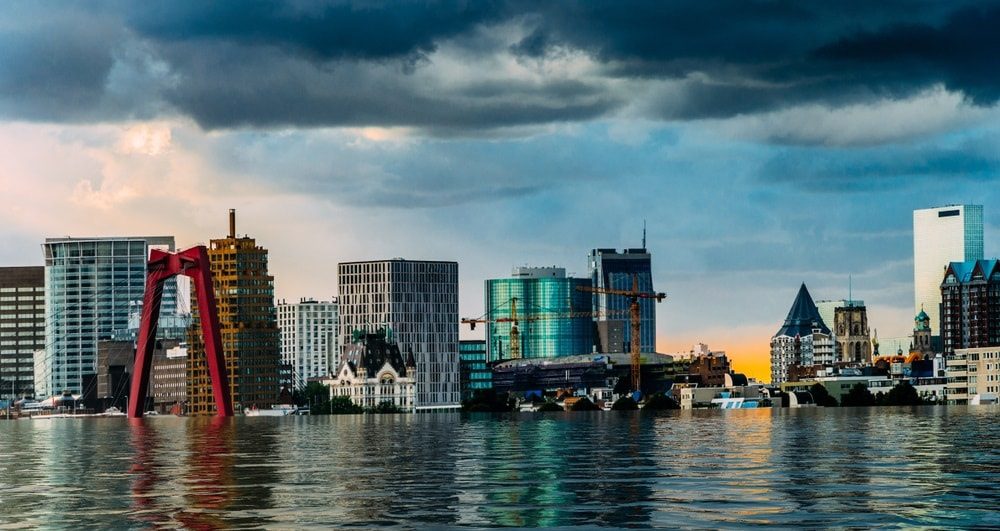
Just a few months ago, nobody could have predicted that 2020 would be a year when a pandemic contributed to millions of people working from their kitchen tables and being ordered to stay at home to stop the spread of a new virus. The COVID-19 outbreak highlights the uncertainty business owners face, and for many, it may have provoked questions about how prepared entrepreneurs and employers are to tackle unexpected obstacles moving forward. If disaster was to strike, would you be able to survive?
Risks for businesses
Most aspiring entrepreneurs are aware that running a business is fraught with danger, but often, there is a very small chance of risks materialising and actually posing problems. The pandemic has caught the majority of governments, healthcare systems and business owners off-guard. We know that there is a chance that viruses will spread and cause disruption, but the scale of the Coronavirus outbreak has taken most by surprise. It is difficult to plan for disasters of this kind, but being thorough is always beneficial when drawing up contingency strategies and putting plan B into action. There may not be another pandemic of this scale to deal with in the near future, but what about natural disasters or the ever-present risk of a media storm or a review that goes viral?
Join The European Business Briefing
New subscribers this quarter are entered into a draw to win a Rolex Submariner. Join 40,000+ founders, investors and executives who read EBM every day.
Subscribe
Preparing your business
When you take out insurance, or you draft a plan B, you hope that you’ll never have to use it, but there is always a small chance. In the case of natural disasters, it’s wise for business owners to be wary of potential dangers, especially in parts of the world where extreme weather is becoming more commonplace. You can prepare your business by investing in technology and innovative equipment to minimise the risk of damage and protect business premises, but also by hiring talented individuals who understand the complexities of the supply chain and how it works if there are delays or there is a missing connection in the sequence. Hiring experienced candidates and looking into courses like those available at Kettering Online can help you upskill your workforce and strengthen your defences. It’s also beneficial to learn from the past. Look at how previous incidents have impacted the business landscape and how companies and organisations have adapted in the aftermath of a cyclone, a tsunami or an earthquake.
Prioritising protection and prevention
Prevention is always better than cure, a doctor will tell you. This mantra, although linked to the field of medicine, is relevant to all sectors. Planning ahead and prioritising prevention and protection can help you to avoid pitfalls or to bounce back quicker if falling at a hurdle is inevitable. Analyse the systems and protocols you have in place, carry out risk assessments and make sure you take steps to shield your business. Check your insurance policies and consider investing in more comprehensive plans, keep a firm grip on your finances and look for chinks in your armour that could potentially expose you to risks.
The Coronavirus crisis shows that nobody really knows what the future holds. As a business owner, it’s vital to ensure that you are prepared.