































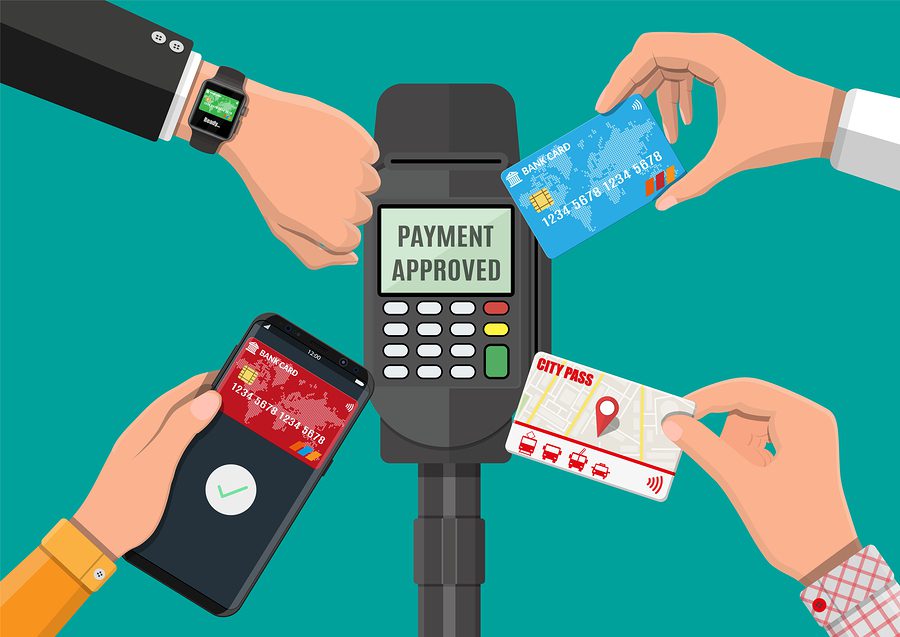
In the retail business, “change” is the only constant. Retail businesses are continuously revamped in response to changing customer preferences and habits. It also constantly absorbs technological advancements to improve customer experience and increase operational efficiency. Some technological innovations and strategies transform the retail landscape and commerce completely. One such revolutionary strategy is payment flexibility. In this blog post, we discuss at length how payment flexibility has transformed retail businesses. We demonstrate how payment flexibility is an excellent operational strategy that boosts sales and revenue and guarantees economic success.
Cash: Its History and its Remnants
Join The European Business Briefing
New subscribers this quarter are entered into a draw to win a Rolex Submariner. Join 40,000+ founders, investors and executives who read EBM every day.
Subscribe
The digital wave brought a major overhaul to the supremacy of cash. But cash still holds a lot of weight in the retail world. The continued relevance of cash speaks volumes about consumer preferences and market needs. Cash transactions still matter in retail, especially for certain demographics. Certain conservative communities and industries have slow penetration of the internet and technology. These landscapes are still dominated by cash. Retailers have to balance both digital and cash customers. They can’t risk alienating customers with a preference for cash payment.
The Digital Payment Revolution in Retail
Retail is the mirror of consumer habits and changing trends. Retailers are going digital because customers have gone digital. Integrating electronic payment systems is about meeting customers on their terms. Digital payments, such as credit cards and mobile apps, also promise benefits to the retailer. It is a strategic move that ameliorates customer service and enhances efficiency. Businesses make constant efforts to engage their customers. this data shows how businesses are integrating diverse payment options to engage customers.
Credit and Debit Cards – The Consumer Choice
In the past three decades, credit and debit cards have shaped consumer spending habits. Their convenience and security are the reasons for their enduring popularity. They bring enormous benefits to businesses. They increase the spending potential of customers which boosts sales and generates revenues. They also enable retailers to easily track consumer trends. Retailers have to be cautious of the challenges they pose, like dealing with fees and fraud.
Mobile Payments – The New Frontier
Mobile payments have redefined the shopping ritual and the retail industry. Customers can pay from their phones utilizing digital wallets like Apple Pay, Google Pay, and more. Mobile-supported commerce offers speed, convenience, and security. Retailers need to capture this dynamic and growing market.
Online Payment Gateways – Expanding Market Reach
The backbone of e-commerce is online payment gateways, which let retailers reach a worldwide audience. These gateways facilitate cross-border transactions. It expands the market reach of the business. Retailers need to select the right gateway for business needs, balancing transaction costs with customer convenience and security.
The Impact of Payment Flexibility on Customer Experience
Customer experience is greatly influenced by the variety of payment options available. Accommodating diverse payment preferences can make customers happier with a convenient and enhanced shopping experience. This fosters loyalty and brings repeat business. Understanding and aligning payment methods with your target demographic’s needs is the recipe for customer satisfaction and retention.
Payment Options and Business Growth
Diverse payment options drive increased sales and generate revenue. Business growth is directly correlated with diverse payment methods. Diverse options of payment accommodate a larger set of customers. This inclusion of a larger set of customers boosts sales. Finding their preferred option of payment makes people comfortable and ensures a seamless transaction. Happy customers are an asset to the enterprise. Businesses are striving to increase customer engagement with discount deals like house of fraser discount code. Expanding payment options will make sure that the engagement results in a higher conversion rate.
Addressing Security in Payment Processing
Integrating multiple options of payment brings challenges to the business. Maintaining security and preventing fraud gets tougher as payment options change. For customer data protection and trust, it’s imperative to implement robust security measures in payment processing. Complexities of data security in the digital age upset and scare away customers. Retailers need to ensure the safety and security of the transactions and customer data to win their trust and loyalty.
Conclusion – Preparing for Future Payment Trends
In retail, payment flexibility plays a crucial role. Staying on top of emerging payment technologies and adaptability guarantees that customers will trust the business. Besides retaining existing customers, it also lures new customers away from competitors who are slow to adapt. Future developments like AI-driven payment systems are imminent to come. They will transform the retail landscape as we know it. Retailers need to adapt to consumer payments so they can get more customers and make more money.