





























It goes without saying that access to medicines is a human right; however, millions of people globally go without the lifesaving medicine they need. This is down to a number of reasons, including limited manufacturing capabilities, distribution challenges, and cost. Fortunately, the concept of pharma printing has presented itself, in which the production and distribution of medicines have been revolutionized. As a result, we may be able to bridge the gap and make medicines more accessible on a global scale. To that end, detailed below is just how pharma printing can extend access to medicines and improve the healthcare conditions for millions globally.
Simplified Drug Formulations
There are various patient populations who struggle to swallow conventional tablets and pills; these patient populations include the elderly and children. Fortunately, though, the likes of oral suspensions, chewable tablets, and dissolvable films can all be developed by way of pharma printing. As a result, medication administration becomes more convenient and just generally easier. Since drug formulations are simplified, medication adherence is improved by pharma printing, which is sure to break down treatment barriers for vulnerable patients.
Join The European Business Briefing
New subscribers this quarter are entered into a draw to win a Rolex Submariner. Join 40,000+ founders, investors and executives who read EBM every day.
SubscribeOvercoming Intellectual Property Barriers
In low-income countries, barriers to accessing affordable medicines can be created, and this is often in relation to patent protection and intellectual property rights. Since pharma printing provides alternative production methods, this means that it could be the means of overcoming this barrier. For instance, pharma printing could be used by generic drug manufacturers to provide affordable versions of patented medications upon the patent expiring. As a result, cost-effective medicine production is facilitated, meaning that patients who otherwise wouldn’t be able to afford specific medications would then be able to do so.
Rapid Response to Emergencies
In 2023, we’re no strangers to public health disasters, including natural disasters and pandemics. During these times, immediate access to medicines is vital, which is why traditional pharmaceutical supply chains can struggle to meet the surge of demand during crises such as these. On the other hand, though, pharma printing enables rapid response times due to the on-demand manufacturing of essential drugs. Medications can be quickly adapted and produced in a local capacity, meaning the response to emergencies from healthcare systems is optimized. This optimization means that affected populations can receive life-saving treatments in an adequate capacity.
Localized Production
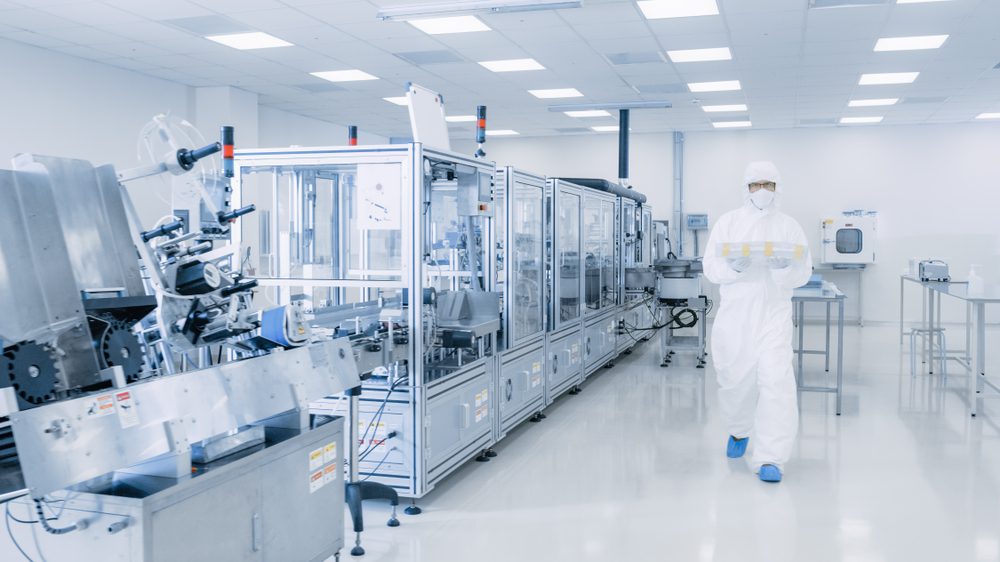
In remote regions that are abundant in underdeveloped infrastructure, healthcare accessibility is a real problem. Thankfully, pharma printing enables localized production, meaning the need for expansive supply chains is bypassed, and all transportation costs are significantly reduced. Local printing facilities mean that medications can be produced on-site by healthcare manufacturers, which means they can be accessed within good time. This minimizes the dependence on centralized manufacturing hubs and makes emergency responses much more efficient.
Personalized Medicine
It’s no secret that not every patient is the same, and even though they may have the same illness as somebody else, this doesn’t mean that they’re affected in the same way or that they require the same treatment. Everyone’s body is unique, and that means it responds to things differently. With the help of pharma printing, personalized medication can be produced, which, of course, is tailored to the exact needs of the specific patient. This differs from traditional manufacturing methods, as mass production means that unique patient requirements simply can’t be addressed.
On the other hand, pharma printing facilitates precise dosage adjustments, as well as the incorporation of various active ingredients in a single tablet. As a result, patients are sure to receive the exact attention they require from these medications.