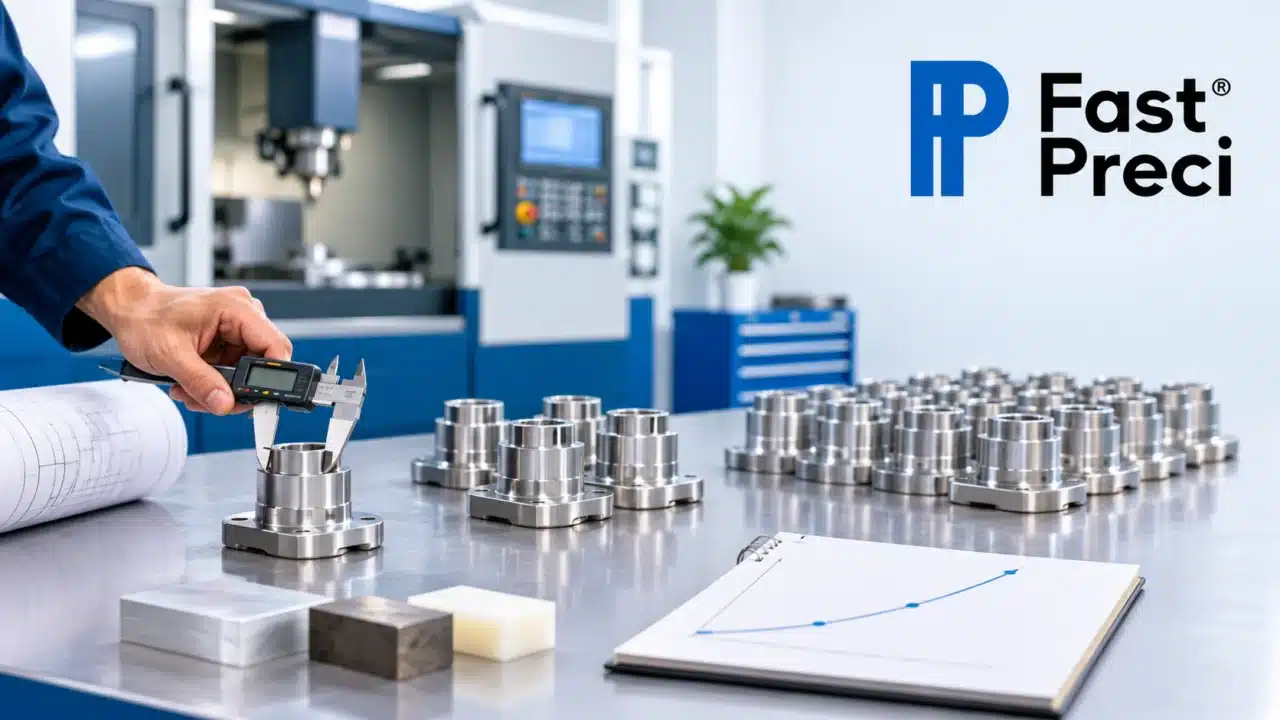
A prototype looks like a temporary object. Teams build it quickly, test it, and plan to improve it later. In practice, the prototype sets the direction for almost everything that follows. The materials you select, the tolerances you draw, and the processes you choose all travel with the design into production. Each one carries a cost that grows as quantities rise.
Many hardware teams discover this too late. They approve a prototype that works well on the bench, then receive production quotes that shock them. The part functions perfectly, but the design demands slow machining, rare materials, or inspection steps that nobody planned for. At that point, a redesign costs time, money, and momentum.
This article explains how early manufacturing decisions shape final product costs. It also shows how to make smarter choices while the design is still flexible.
Join The European Business Briefing
New subscribers this quarter are entered into a draw to win a Rolex Submariner. Join 40,000+ founders, investors and executives who read EBM every day.
SubscribeWhy Prototype Decisions Carry Long-Term Weight
Engineers often treat the prototype stage as a place to prove function. Cost feels like a problem for later. That mindset creates risk, because design features that make a prototype easy to build can make a production run expensive.
Every design choice creates a manufacturing path. A deep pocket in a metal housing requires specific tooling. A tight tolerance on a bore requires slower cutting speeds and extra inspection. A cosmetic surface requires additional finishing. Once these features appear in a drawing, suppliers price them into every unit.
Design changes also get harder as a project advances. Tooling, fixtures, test procedures, and supplier agreements all build around the approved design. Changing a single dimension at that stage can trigger a chain of revisions. Teams that think about cost during prototyping avoid this chain entirely.
Material Choices Lock In Your Cost Curve
Material selection is one of the earliest decisions in any project, and it has one of the longest effects. A prototype built from an exotic alloy may perform beautifully, yet the same alloy can raise raw material costs and slow machining significantly in production.
Harder materials wear cutting tools faster. They also need lower feed rates, which increases machine time per part. Softer materials such as aluminum machine quickly and cost less per hour of spindle time. Plastics bring their own trade-offs, including thermal expansion and lower strength.
Teams should ask a simple question during prototyping: does this material match the real production requirement, or did we choose it because it was convenient? If the final product does not need the properties of an expensive alloy, switching early saves money across every unit. If it does need those properties, the team can plan for the cost and price the product accordingly.
Tolerances Cost Money Twice
Tolerances deserve special attention because they affect both machining and inspection. Tight tolerances demand more precise machines, slower cycles, and more frequent quality checks. Loose tolerances allow faster, simpler production.
A common mistake is applying a tight tolerance across an entire drawing because it feels safer. Most features on a part do not need that precision. Only mating surfaces, bearing fits, and sealing faces usually require tight control. Applying general tolerances elsewhere reduces cost without hurting performance.
Prototype builders sometimes hold tight tolerances by hand-finishing parts or running slow machine cycles. This works for one unit. It does not scale. If your prototype only functions because a skilled machinist adjusted it by feel, your production process will struggle to reproduce the same result.
Design Geometry Controls Machine Time
Geometry drives how long a machine must run to produce a part. Deep, narrow cavities need long tools that deflect and force slower cuts. Sharp internal corners require small cutters or additional operations. Thin walls vibrate during machining and may need special fixturing.
Designers can reduce cost by following a few practical habits:
Add generous internal radii so standard cutters can work efficiently. Keep wall thickness consistent and sufficient for stable machining. Limit the number of setups by designing parts that machine from fewer sides. Avoid features that exist only for appearance unless the product truly needs them.
These habits do not weaken a design. They simplify it, and simpler parts almost always cost less to produce.
Understanding the Real Drivers of Machining Cost
Many founders assume cost depends mainly on material. Material matters, but machine time, setup effort, programming, tooling, finishing, and inspection all contribute. Reviewing the main CNC machining cost factors during prototyping gives your team a clear view of where money goes before the design freezes. When you understand which features add the most time or complexity, you can redesign them while changes are still inexpensive.
A useful habit is to request quotes at the prototype stage for several quantities, not just one. A single prototype price tells you very little. A quote for ten, one hundred, and one thousand units reveals how the cost curve behaves and which features keep unit price high.
Prototype Decisions and Their Later Cost Impact
The table below summarizes how common prototype choices influence cost once a product moves toward production.
| Prototype Decision | Short-Term Benefit | Later Cost Impact |
| Exotic or hard-to-machine material | Strong performance in testing | Higher raw cost and slower machining per unit |
| Tight tolerances on every feature | Easy fit and assembly | Longer cycles and heavier inspection workload |
| Deep pockets and sharp internal corners | Compact, clean design | Special tooling and slower cutting |
| Many separate setups | Flexible prototyping | More handling time and higher labor cost |
| Heavy hand finishing | Polished appearance | Hard to repeat, expensive at volume |
| Undocumented design assumptions | Faster early progress | Supplier confusion, delays, and rework |
Documentation Prevents Expensive Surprises
Clear documentation protects your budget. Suppliers quote based on what they see in drawings and specifications. If a drawing leaves out critical information, the supplier either guesses or pads the price to cover uncertainty.
Teams should record material grades, tolerance requirements, surface finish needs, and inspection criteria from the start. They should also note which features are critical and which are flexible. This information allows a supplier to suggest cost-saving changes without risking function.
Strong communication also builds trust. Suppliers who understand your goals often recommend improvements that you would never have discovered alone.
Planning the Bridge From Prototype to Production
The gap between one prototype and thousands of units is wide, and many teams cross it in stages. A pilot run or small batch lets you validate the process before committing to full volume. A reliable Low Volume CNC Machining Solution helps teams build small quantities with production-grade methods, so they can test cost, quality, and repeatability without large upfront investment.
During this stage, compare the prototype process with the intended production process. If they differ greatly, expect surprises. Parts made by hand or with temporary methods rarely match parts made on a repeatable production setup. Moving toward production methods early reveals problems while they are still cheap to fix.
Common Mistakes That Raise Costs Later
Several mistakes appear again and again in hardware projects. Teams approve designs without requesting production quotes. They choose materials based on availability rather than long-term suitability. They over-specify tolerances and finishes. They also skip design reviews with manufacturing partners, even though those reviews often uncover easy savings.
Another frequent mistake is treating the first working prototype as the final design. A working prototype proves the concept. It does not prove the design is ready for efficient manufacturing. Teams should plan at least one design iteration focused purely on manufacturability.
Conclusion
Prototype decisions shape product cost far more than most teams expect. Material, tolerance, geometry, and process choices all become permanent features of your cost structure. When you consider them early, you keep control of your budget and avoid painful redesigns.
Treat prototyping as the first step of manufacturing, not a separate phase. Ask suppliers for feedback, request multi-quantity quotes, document your requirements, and simplify wherever function allows. These habits turn a good prototype into a product you can build profitably.
Frequently Asked Questions
How early should I think about production cost during prototyping?
Start from the very first design review. Early awareness costs nothing, while late changes cost a great deal. Even rough cost estimates guide better material and geometry choices.
Do prototypes need the same material as the final product?
Not always, but matching the material helps you test real performance. If you use a substitute, plan a validation round with the final material before production.
Which design features raise machining cost the most?
Tight tolerances, deep narrow pockets, thin walls, sharp internal corners, and multiple setups usually add the most time and cost.
Why does a prototype quote differ so much from a production quote?
Prototype pricing includes setup and programming spread over one unit. Production pricing spreads those costs across many units, but it also reflects process changes, tooling, and inspection plans.
Can I reduce cost without weakening the part?
Yes. Adding internal radii, relaxing non-critical tolerances, and simplifying geometry typically cut cost while keeping strength and function intact.