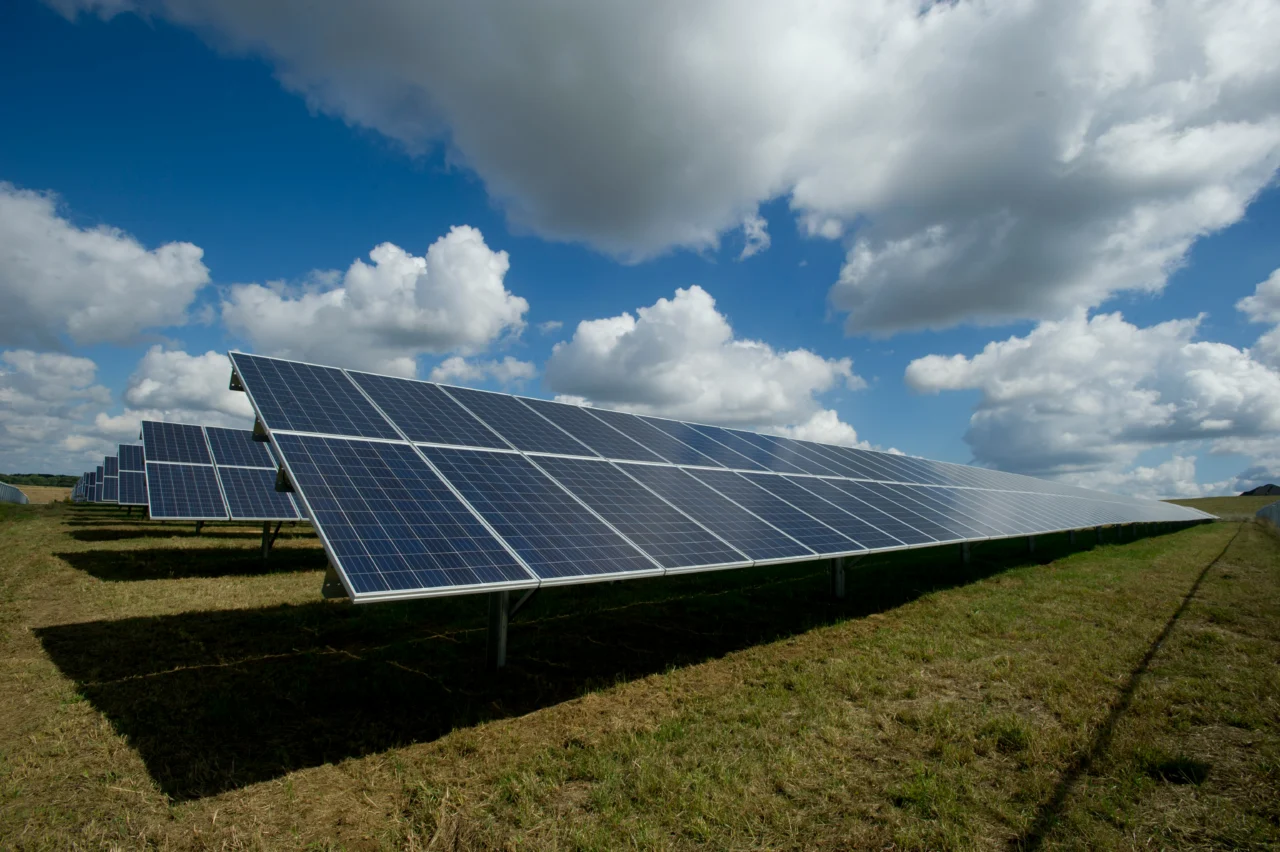
The use of solar energy has become an important source of energy around the world. High-efficiency panels are not sufficient, even with large solar installations. They should have firm and sturdy backing too. They help to safeguard equipment and ensure the stability of the system without proper structural design. Many problems may be faced. It can cause higher maintenance expenses and impact energy production. Therefore, structural engineers play an important role in the success of solar projects.
The demand for solar infrastructure
The demand for renewable electricity has increased almost two times since 2000. Solar energy is being invested in by both the government and industry. All solar forms consist of thousands of solar panels. Each panel should be attached to a proper frame. The following should be able to withstand various environmental elements.
Why solar mounting structures matter
Solar mounting structures are used to install solar panels in a proper position. They allow adequate angles to get sunlight. They are also able to safely transfer the loads to foundations. A reliable structure adds stability to the panel when it comes with the panel. This helps to decrease the mobility during adverse weather conditions. The good alignment also enables energy generation to be carried out on a regular basis.
Join The European Business Briefing
New subscribers this quarter are entered into a draw to win a Rolex Submariner. Join 40,000+ founders, investors and executives who read EBM every day.
SubscribeFixed tilt vs. solar tracking structures
There are a variety of solar mounting solutions that are commonly used in solar projects. It depends upon the location, budget, and energy requirement.
Fixed tilt PV mounting structure
Fixed tilt systems allow panels to be installed at a fixed tilted angle. They are generally made of essential components, making them easier to maintain. Usually, they don’t need to be maintained as often. They are the right system for designs that desire an easy setup and predictable running expenses.
Single-axis tracking systems
Single-axis is the type of tracker that is able to move the panels slightly all day. Typically, they will lie on the sunny side on one axis. This can produce more power than stationary ones, but there are other mechanical components that are employed in conjunction with the trackers, and they require maintenance.
This list is not exhaustive; some solutions may be suitable in multiple situations discussed below, and others may be relevant.
The fixed systems might be suitable for small budgets and challenging areas for large solar farms. They can be helpful to the tracking systems. They are appropriate as per land resource availability and energy costs. There should now be a comparison, as the amount of energy generated should be measured based on the installation/operating costs.
Choices of materials and corrosion protection.
Depending on the type of material selected, its strength and service life are affected. Various production systems are required based on the environment.
Carbon steel
It is structurally strong and inexpensive, but can be susceptible to corrosion.
Galvanized steel
The galvanizing process is used to coat the steel with zinc, which makes it resistant to corrosion. It is widely used in solar mounting structures.
Aluminum Alloy
Aluminum Illinois natural resistance to corrosion, in addition, its lightweight nature when in the construction process. It will be used where the load of the structure is an important consideration.
Hot-dip galvanizing
This is the time when zinc is used for protection. Enhances moisture and environmental resistance.
Different materials for various settings.
Consideration of the environment in coastal and humid areas. When selecting materials. Pollution from industry and temperature variations also contribute. The appropriate material will help reduce re maintenance.
The impact of manufacturing quality on the delivery of solar projects and its significance.
The two principal keys to good engineering are to make products that have accurate measurements. Installation can be adversely affected by low tolerances for very small production errors. There are several factors that have an impact on the structure’s quality.
- Steel quality
The performance and reliability of the steel and the quality of the raw material used should be very good.
- High accuracy in welding and machining.
It should be well welded and well machined, and have accurate workmanship.
- Dimensional tolerance
Tolerances enable components to be easily assembled.
- Anticorrosion treatment
Programmed to prevent installations from getting damaged; good coatings.
- Prefabrication and modularization
The components are fabricated and then installed on site, which decreases labor and the installation process.
When solar project developers select a supplier, what are some of the things they require to take into account?
Care needs to be taken in formulating projects when picking a manufacturing partner. There are a number of points to keep in mind.
- Engineering and customization.
- Structural design and load calculations.
- Sketch to scale and produce:
- Project experience.
Companies like Plus Fabrication come up in discussions when we talk about solar structural fabrication solutions.
Conclusion
Solar panels are a great source of energy. They are also the supporting structures that are of major importance. They are meant to affect the safety, durability, and ability of systems to function in the solar power industry. It also helps to ensure future reliable production of renewable energy.