































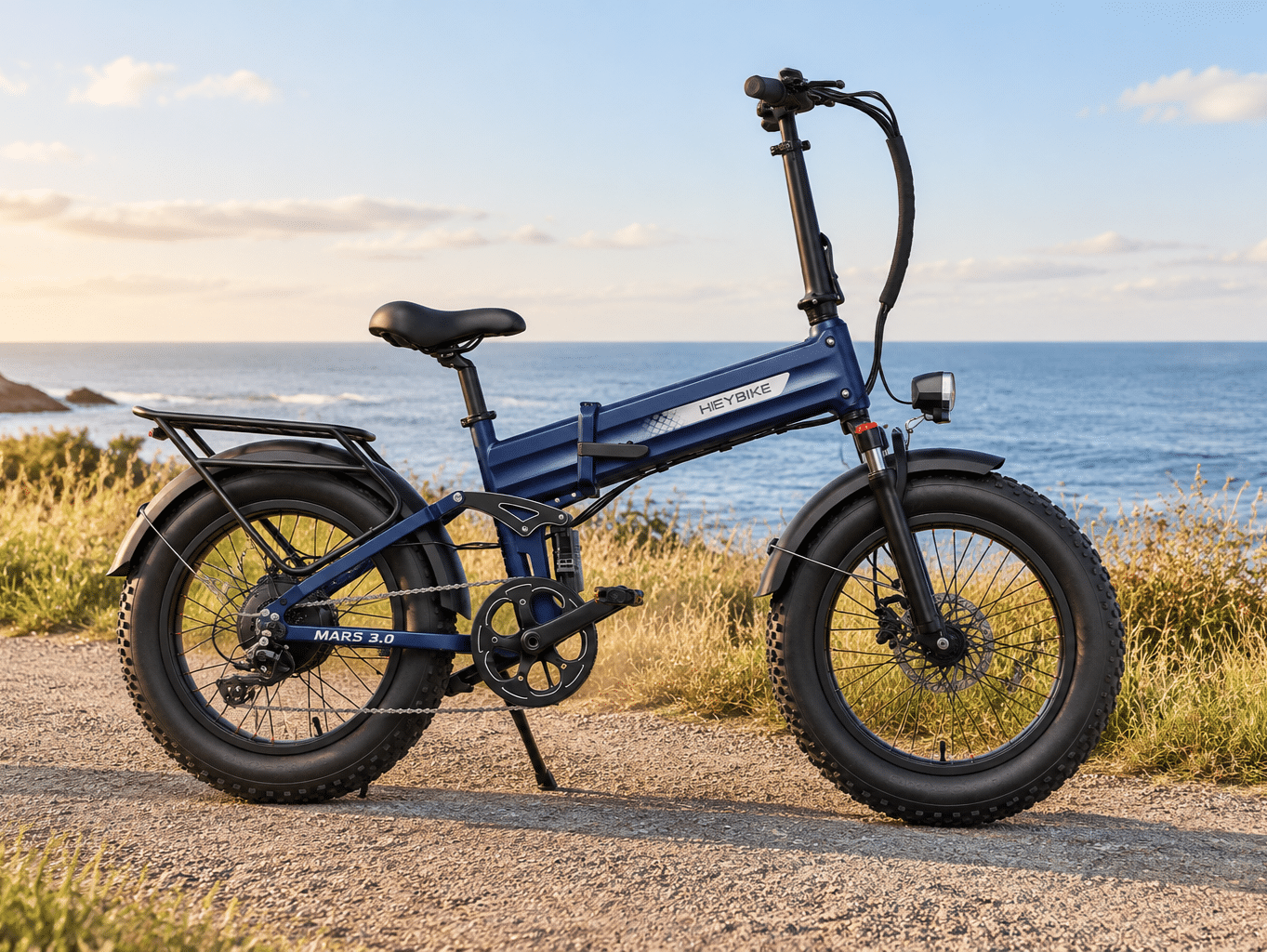
Wide tires change how a bicycle interacts with the ground, but they do not turn every surface into an easy route. Firm gravel, loose sand, packed snow, and ice present different problems. A rider who understands those differences can choose a more enjoyable outing and avoid expecting the tires to do a job they cannot perform.
Begin with the surfaces you will actually encounter. A paved ride with a short gravel section is different from a route through deep beach sand. Likewise, a clear winter path is not the same as a frozen trail. Describe the journey accurately before deciding whether a fat-tire e-bike is a suitable choice.
What extra tire volume can change
A wider tire offers more air volume and may support a setup suited to some uneven or soft surfaces. How it behaves depends on its construction, tread, pressure, wheel, rider load, and ground conditions. Tire width alone does not establish grip, comfort, or a safe operating pressure.
Join The European Business Briefing
New subscribers this quarter are entered into a draw to win a Rolex Submariner. Join 40,000+ founders, investors and executives who read EBM every day.
SubscribeUse the instructions for the bicycle, tire, and rim to determine the permitted setup. Do not borrow a low pressure from a snow-riding video and apply it to another model. An unsuitable setting can create handling problems or damage the tire and wheel, even when it feels comfortable at first.
If you change an approved setting for a particular surface, use a gauge and record what you changed. Evaluate it on a short, controlled section before extending the ride. Keep the correct setup for the return journey in mind if the route includes substantial pavement.
Sand: distinguish firm ground from deep loose sections
A firm permitted beach route can feel very different from dry dunes or churned-up access points. Inspect the entrance and a short section first. If the surface makes steering unpredictable or progress difficult, choose another route rather than relying on more motor assistance.
Check local riding access and environmental restrictions before entering a beach area. Stay away from seawater and tidal channels, and watch for pedestrians, animals, and changing ground. A photograph of a bicycle beside the ocean does not establish that its electrical system is suitable for saltwater exposure.
Plan a shorter first ride than you would on a familiar paved route. Soft surfaces can require more effort and energy, while the return conditions may change with wind or tide. Choose an early turnaround and keep a practical way back to the starting point.
Snow: decide whether the day is suitable at all
Snow changes visibility, braking, and steering as well as rolling resistance. Ice can be present beneath snow or in shaded sections. A fat tire does not automatically provide ice traction, and motor assistance is not a substitute for that missing grip.
Check the weather, route conditions, and the manufacturer’s operating limits before setting out. If the route includes ice or conditions beyond your equipment and experience, use another travel option. That decision is easier to make before leaving than after reaching a steep, slippery return section.
Follow the battery instructions for operating, warming, and charging after cold exposure. Do not assume that a battery can be charged immediately because the outside case feels less cold. Use the specified temperature limits and let the pack reach an appropriate condition as instructed.
Gravel and rough paths: keep the whole bicycle in view
On a permitted gravel route, look beyond the tire width to handling, brakes, wheel condition, and the bicycle’s intended use. A full-suspension design and fat tires do not establish that a model is intended for jumps, technical descents, or every mountain-bike trail.
Approach unfamiliar loose sections gradually. Leave room to stop, choose a manageable line, and be prepared to walk a difficult part. Slow down before changes in surface rather than discovering a patch of loose material while already turning or braking hard.
When comparing an electric bike, bring photographs or a clear description of the route to the suitability discussion. Ask which current models are intended for that use and which limitations apply. This produces a more useful answer than asking whether a bicycle can go off-road in general.
Prepare for the ride after the ride
Mud, sand, and road salt can add cleaning and inspection work. Follow the model’s cleaning instructions and avoid directing high-pressure water at the bicycle. Inspect tires, drivetrain, and exposed areas after the ride, and resolve unusual noises or handling changes before the next outing.
Current official information from brands such as Heybike can help you identify a model and find the appropriate care resources. Use the instructions for that bicycle rather than treating all fat-tire e-bikes as interchangeable. Keep a note of the surface and conditions if you need to discuss a problem with a mechanic.
The practical advantage of a fat-tire e-bike is having another option for suitable rides, not an obligation to cross every surface. Start with accessible terrain, learn how the bicycle behaves, and turn around while the return is still straightforward. A carefully chosen route offers more enjoyment than an ambitious plan based on tire width alone.