





























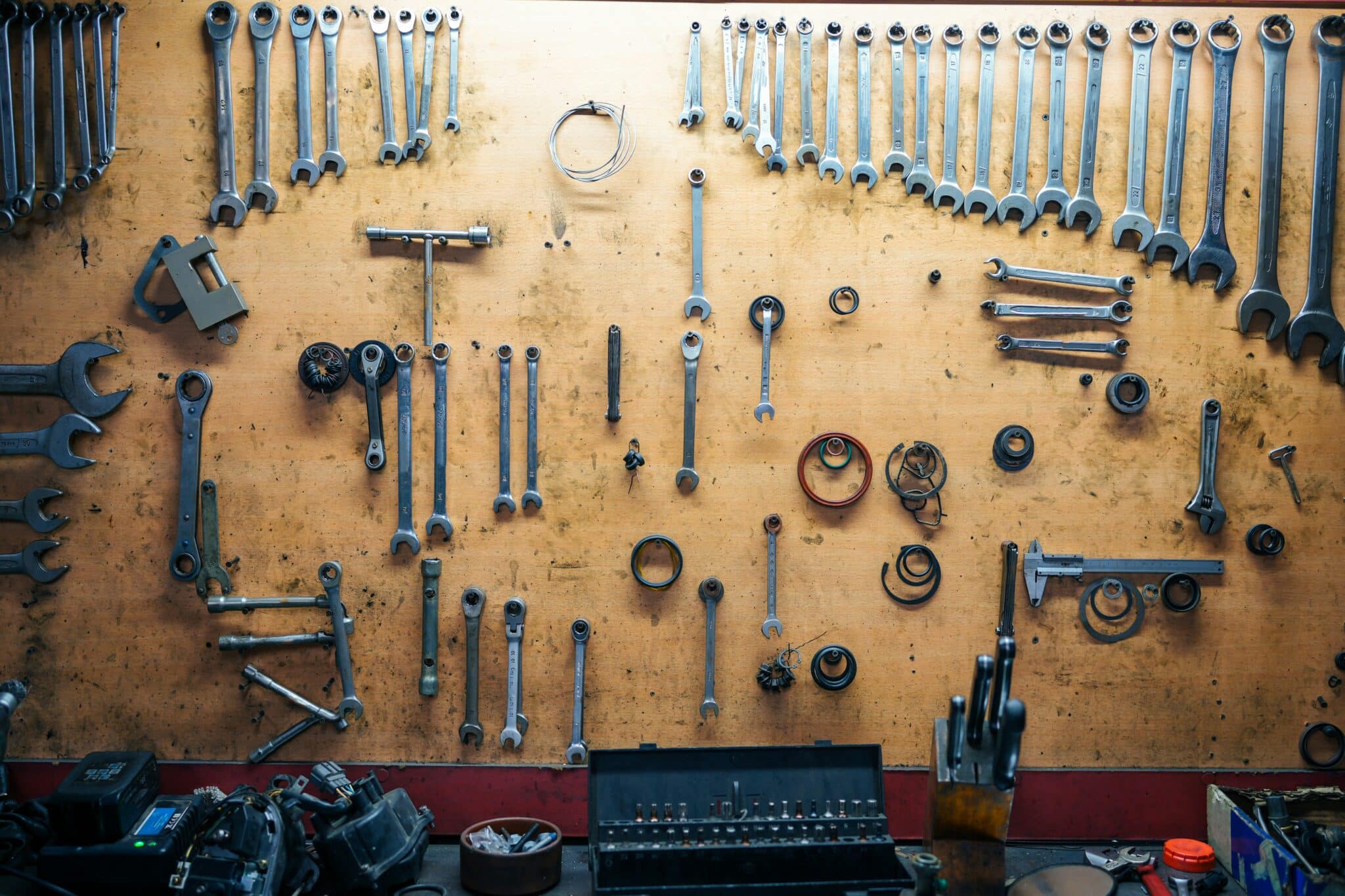
Independent garages face growing pressure to deliver reliable repairs while keeping prices competitive. Rising operating costs, increasingly complex vehicles, and customers expecting quicker turnaround times have made running a profitable workshop more challenging. For smaller businesses competing against national repair networks and franchised dealerships, finding practical ways to improve efficiency has become particularly important.
While investment in diagnostic equipment and technician training often receives the most attention, the quality and availability of everyday workshop supplies can have just as much influence on performance. From automotive paint and refinishing products to abrasives and protective materials, seemingly small purchasing decisions can affect productivity, repair quality, and profitability.
The Hidden Cost of Cheaper Materials
When budgets are tight, choosing the lowest-priced products can seem like a sensible way to protect margins. However, cheaper materials don’t always represent better value when inconsistent performance creates additional work.
Join The European Business Briefing
New subscribers this quarter are entered into a draw to win a Rolex Submariner. Join 40,000+ founders, investors and executives who read EBM every day.
SubscribeIn automotive refinishing, poor-quality primers, unsuitable abrasives, or unreliable coatings can lead to visible imperfections and repairs that need repeating. The cost extends beyond replacement materials, with technicians spending additional hours correcting problems instead of completing new jobs.
Independent garages can benefit from assessing supplies based on their overall performance rather than purchase price alone. Products that deliver consistent results may reduce waste, improve productivity, and help maintain customer satisfaction.
Reliable Suppliers Help Workshops Stay Productive
A workshop cannot operate efficiently when essential materials are missing. Even a straightforward cosmetic repair can be delayed if technicians are waiting for paint, clear coat, or preparation products to arrive.
Building relationships with specialist suppliers can help garages maintain access to suitable materials without holding excessive stock. Businesses sourcing automotive refinishing products through suppliers such as nebulapaintproducts.uk can explore paint, coatings and related workshop essentials according to their repair requirements.
The important consideration is finding suppliers that support the workshop’s actual workload. Regularly reviewing purchasing patterns and identifying frequently used materials can make stock management more predictable while reducing unnecessary expenditure.
Better Repairs Can Strengthen Customer Loyalty
For independent garages, reputation remains one of their most valuable commercial assets. Customers may initially choose a workshop because of its location or competitive pricing, but the quality of the completed repair often determines whether they return.
It’s relevant to bodywork and paint repairs, where imperfections are immediately visible. Accurate colour matching, appropriate surface preparation and durable finishes contribute to customer confidence and reduce the likelihood of complaints.
Consistent workmanship can also generate recommendations, helping smaller garages compete without relying entirely on expensive advertising or promotional discounts.
Small Operational Improvements Add Up
Improving workshop performance doesn’t always require substantial investment. Simple changes, such as organising materials more effectively, monitoring stock levels and standardising commonly used products, can reduce avoidable interruptions.
Garages should also consider how purchasing decisions affect technicians. Familiar, dependable materials can make processes more consistent, especially when several employees work on similar repairs.
These improvements become increasingly valuable as workloads grow. A workshop that completes jobs efficiently without sacrificing quality is better positioned to accommodate additional customers and manage its operating costs.
Competing Through Consistency
Independent garages may not have the purchasing power or resources of larger automotive repair networks, but they can still compete through service quality, flexibility and attention to detail.
Better workshop supplies are only one part of that equation, yet their contribution shouldn’t be overlooked. Reliable materials, sensible stock management and strong supplier relationships can help reduce wasted time while supporting professional repair standards.
For garage owners looking to strengthen their competitive position, reviewing what happens behind the workshop doors may reveal opportunities that are easier and more affordable to implement than a major business overhaul.






