































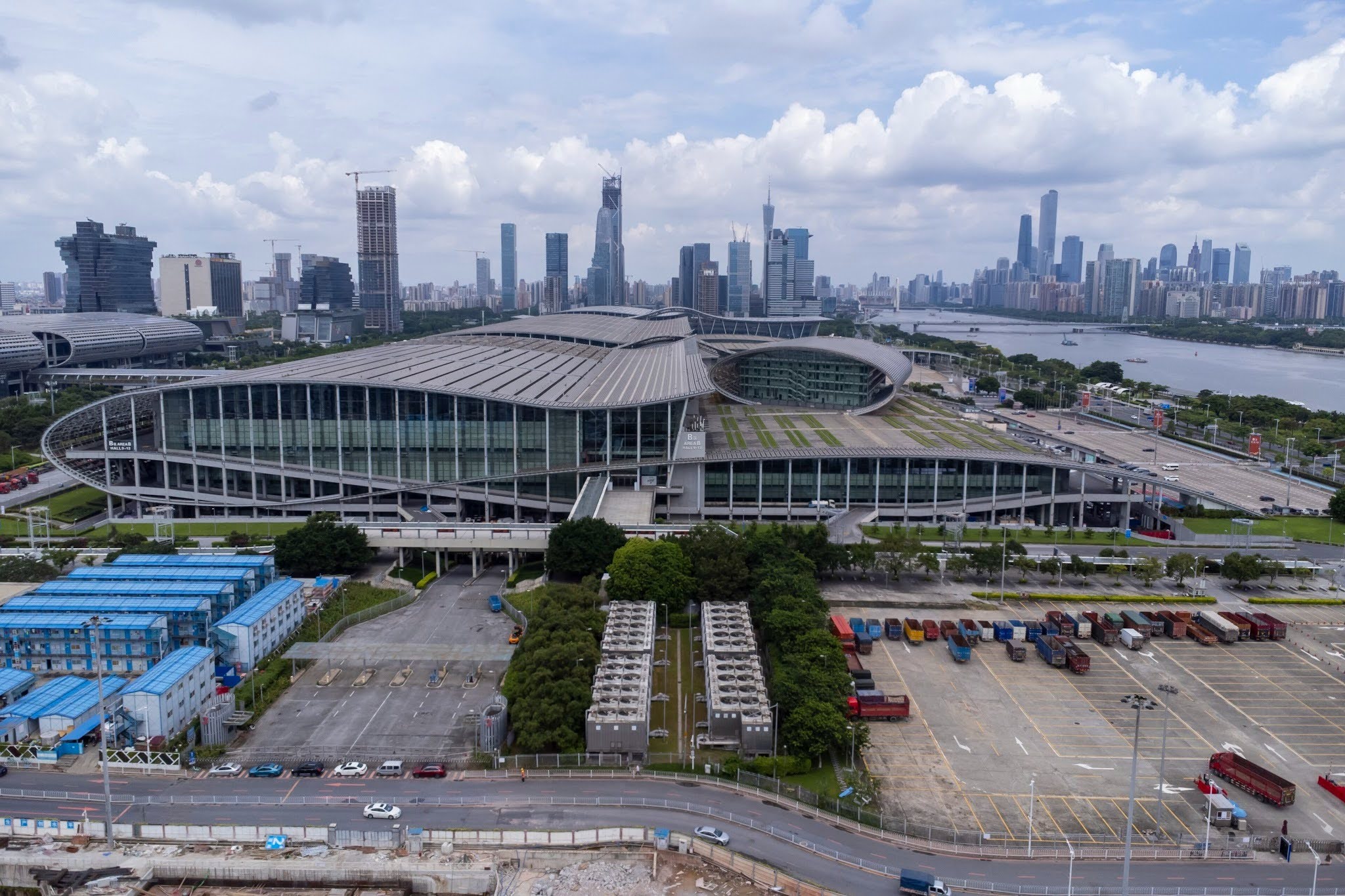
A China sourcing trip can bring exhibition meetings, product demonstrations and factory visits into the same week. For a purchasing team, this creates an opportunity to investigate questions that are difficult to resolve through catalogues alone: how a product is made, who manages quality and whether a supplier can meet the business’s requirements.
Getting useful answers takes preparation. The itinerary should connect each appointment to a purchasing decision, while allowing enough time to examine products, discuss specifications and arrange the next step.
Here is how international buyers can build a trip around those priorities.
Join The European Business Briefing
New subscribers this quarter are entered into a draw to win a Rolex Submariner. Join 40,000+ founders, investors and executives who read EBM every day.
SubscribeStart with a clear sourcing brief
Before selecting an exhibition, define what the business needs. Record the product specifications, expected order quantities, target delivery dates, packaging requirements and acceptable quality criteria.
Separate essential requirements from preferences. A buyer seeking a particular material or production method needs to identify that early, rather than spending exhibition time discussing unsuitable alternatives.
Agree what success would look like for the trip. It might mean identifying three suppliers for sample evaluation, resolving questions about an existing product or selecting a factory for a further assessment.
Give everyone travelling the same brief. Purchasing, technical and commercial colleagues can then ask complementary questions and record answers consistently.
Choose the right fair dates and shortlist exhibitors
Check the organiser’s official information before booking travel. Large exhibitions may divide product categories across different phases or halls, so the overall event dates may not tell you when your priority suppliers will attend.
The Canton Fair’s official website, for example, publishes its phase schedule alongside exhibitor and product information. Use those resources to match attendance dates to your sourcing brief.
Contact priority exhibitors in advance. Explain what you want to discuss, request the relevant contact person and ask whether samples or technical documentation can be available.
Build a shortlist with room for discovery. Scheduled meetings provide structure, while a few open periods allow buyers to investigate products or suppliers they had not previously considered.
Prepare entry documents alongside exhibition registration
Treat attendance registration and permission to enter China as separate arrangements. Check the badge requirements, collection process and identification needed for the exhibition.
For each traveller, verify whether the proposed visit requires a visa or qualifies for an applicable visa exemption. Review the actual activities, passport nationality, intended stay and route.
Where a visa is required for commercial and trade activities, the Chinese Embassy’s application guidance identifies the M visa category and supporting documentation from a Chinese trade partner. Follow the requirements of the office handling the application.
For businesses coordinating US-based travellers, China Visa Depot offers business visa assistance and document review from Los Angeles. Confirm the service’s coverage for each applicant and allow time for preparation, corrections, processing and passport return.
Arrange factory visits with a specific purpose
A factory appointment should answer questions that remain after the initial supplier discussion. Send a short agenda covering the product, relevant production processes and information your team needs.
Confirm the exact address, expected duration, attendees and access arrangements. Ask whether the products or processes you want to discuss will be available during the visit.
Check transfer times before adding several appointments to one day. Leave space for a discussion that runs longer than expected, and establish who will coordinate transport and interpretation.
Ask permission before taking photographs or recording demonstrations. Keep notes about what the team actually observed, and distinguish those observations from claims that still require supporting evidence.
Make supplier comparisons meaningful
Use the same questions across shortlisted suppliers. Compare specifications, sample arrangements, minimum order quantities, lead times, quality checks and the process for handling defects.
Ask what each quotation includes. Tooling, packaging, testing and delivery arrangements can affect the comparison, so record assumptions alongside the price.
Request relevant documents for review by the people qualified to assess them. An attractive sample or a confident presentation should prompt further questions about repeat production and consistency.
Clarify the relationship between the company presenting the product and the facility producing it. Record who would manage the order, communicate changes and resolve issues.
Where specialist verification is needed, arrange it through appropriate advisers. A visit contributes information to the purchasing decision; additional checks may still be necessary.
Turn meetings into an organised follow-up process
Before leaving each appointment, agree the next action, responsible person and expected response date. This could involve a revised quotation, a sample shipment or answers to technical questions.
Summarise discussions while the details are fresh. Keep supplier names, product references and photographs connected so colleagues can understand the record after the trip.
Back at the office, review the evidence against the original sourcing brief. Identify which suppliers should progress, what remains unverified and which commitments require further approval.
Measure the trip by useful outcomes: suitable samples received, technical questions resolved or suppliers advanced to the next assessment stage. These provide a clearer basis for evaluating progress than the number of business cards collected.
A productive sourcing trip brings travel preparation and purchasing discipline together. With relevant exhibition dates, accurate entry arrangements, focused factory appointments and clear follow-up responsibilities, international buyers can return with information that supports their next commercial decision.