


























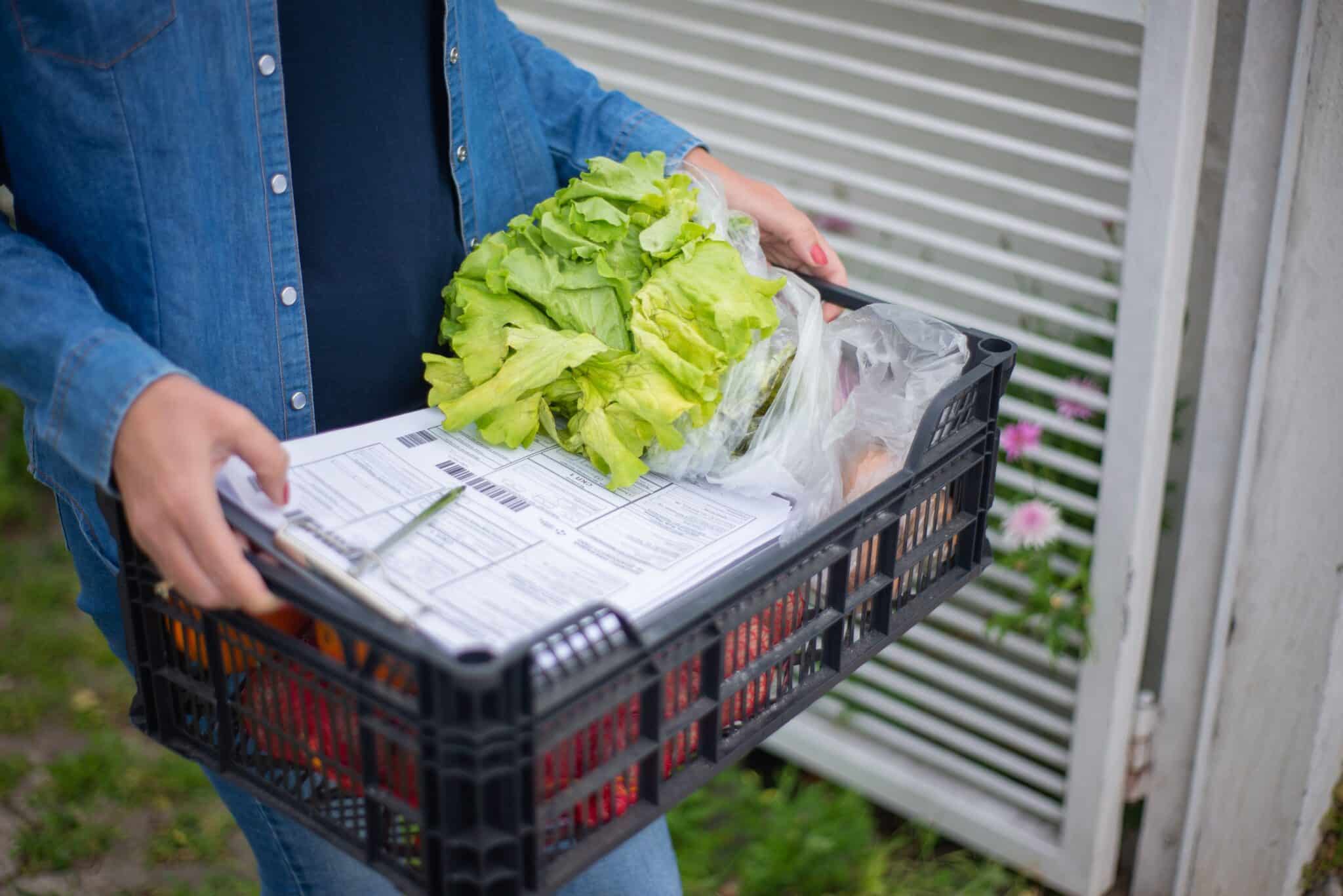
Small food brands move fast. The founder still knows every supplier by name, the team tastes each new batch together, and a recipe can go from test kitchen to retail shelf in a few weeks. That closeness is a real advantage. It also hides a weak spot that usually shows up at the worst possible moment: a retailer asks for lot records, a supplier issues an ingredient recall, or a co-packer wants proof of where a batch of almonds came from. Large plants handle those requests routinely because they track every ingredient lot from the receiving dock to the customer. Small brands do not need a big plant’s budget to do the same. They need a handful of habits, started early.
Why Traceability Is Becoming Non-Negotiable
Regulators and retailers are both raising the bar. Under the FDA’s Food Traceability Rule, known as FSMA 204, businesses that make, process, pack, or hold foods on the FDA’s Food Traceability List must be able to hand the agency their traceability records in an electronic, sortable spreadsheet within 24 hours of a request. The list covers higher-risk foods such as soft cheeses, shell eggs, nut butters, fresh herbs, and leafy greens, along with foods that contain them. The FDA has moved the compliance date to July 20, 2028.
That date can make the rule feel distant. In practice, many large retailers are asking their suppliers for traceability data now, and a brand that cannot produce it may lose a listing long before any inspector calls. Even brands whose products fall outside the list face the same question during a supplier recall: which of our batches used that lot, and where did they ship?
Join The European Business Briefing
New subscribers this quarter are entered into a draw to win a Rolex Submariner. Join 40,000+ founders, investors and executives who read EBM every day.
Subscribe1. Give Every Ingredient Lot an Identity at Receiving
Big plants do not rely on memory. The moment a delivery arrives, each lot gets recorded with the supplier, the supplier’s lot code, the date received, the quantity, the best-by date, and where it is stored. Everything downstream depends on that first entry.
A small brand can build the same habit with five ingredients and one person at the door. Pick one consistent format, whether that is a receiving log, a tablet form, or a barcode scanner, and use it for every delivery without exception. The value shows up the first time the founder is away and someone else needs to know which pallet of oat flour came from which supplier.
2. Link Every Batch to the Lots Inside It
Recording lots at receiving is half the job. The other half is connecting them. In a large plant, every production batch is tied to the specific ingredient lots it consumed, and every finished-goods lot is tied to the customer orders that shipped it. Traceability professionals call this one step back and one step forward, and it is what turns a scramble into a quick lookup.
With that chain in place, “where did supplier lot 4471 go?” becomes a question you can answer before lunch. It also makes life easier with retail buyers and co-packers, who increasingly expect clean documentation as a condition of doing business.
This is the work Lot Traceability Software is built for. It records lots as they are received, consumed in production, and shipped, so the trail builds itself as part of the normal workday instead of through end-of-week paperwork. For a small team, that means getting a big plant’s discipline without adding a person whose whole job is filling in records.
3. Keep One Version of the Truth
Large plants put a lot of effort into making sure production, quality, and customer service all look at the same numbers. Production needs to know what is available, quality needs to know what has been released or put on hold, and customer service needs to know what shipped and to whom. When those teams work from different spreadsheets, a recall turns into an argument over whose file is right.
Small brands can avoid that problem from day one by choosing a single shared home for ingredient, batch, and shipment records. A well-organized shared file is a reasonable start. The rule that matters is that there is only one, and everyone updates it. That habit also makes moving to a proper system much easier when the time comes, because the data already has a structure.
4. Manage Dates, Not Just Quantities
Big plants treat dates as seriously as counts. Best-by dates, remaining shelf life, and supplier lead times shape what gets ordered, how it is stored, and which lot gets used next. Most follow first-expired, first-out rotation so older material moves before newer stock, and they watch how much usable life is left on each lot.
For a small brand, a weekly ten-minute look at upcoming expiry dates, combined with storing older lots in front, cuts waste and protects product quality. Over a few months, those records also reveal how quickly each ingredient actually gets used, which makes reorder quantities far more accurate than guesswork.
5. Turn Batch History Into Better Planning
The records a brand keeps for traceability double as planning data. Large plants use years of batch, order, and yield history to see which products spike in certain seasons, which ingredients tend to run short, and how production performs under different conditions.
Small brands are building that same history one batch at a time, and it starts paying off sooner than most founders expect. This is where AI for Food Manufacturing becomes practical for smaller teams. Forecasting models can learn from a brand’s own sales and production records to suggest how much to make, when to reorder ingredients with long lead times, and how to plan production around promotions and holiday demand. People still make the final call, since they know the customers and the product. The models simply make the patterns visible earlier, which matters most when a single short ingredient can stall an entire production run.
6. Run a Mock Recall Before You Need a Real One
Big plants test their traceability regularly with mock recalls. They pick a lot, trace it in both directions, and time how long it takes to find every ingredient source and every customer who received the product.
A small brand can do this in an afternoon. Choose a finished product from last month, then try to name every ingredient lot in it and every account it shipped to. Given that the FDA’s rule allows 24 hours to produce records, a good internal target is well under that, ideally a few hours. If the exercise takes much longer, you have found the gap on a quiet day instead of during a real recall. Repeat it every quarter and keep a note of the time it took, so you can see the process getting faster.
What Small Brands Should Leave Behind
Not everything a large plant does is worth copying. Big operations carry layers of approval, specialized roles, and heavy enterprise systems that exist because of their scale. A small brand can take the principles, meaning lot identities, linked records, a single source of truth, and date discipline, and run them with lightweight tools. The aim is fast, accurate answers, and adding process for its own sake works against that.
Where to Start This Month
Begin by deciding exactly what gets recorded for each incoming lot and who records it. Next, make sure every batch record lists the lot codes it used. Then pick one shared place for all of it. Once that is running, schedule your first mock recall for the end of the month.
Bring in the people who receive deliveries, make the product, and pack orders. They know where records get skipped when the day gets busy, and their input is what makes the habits stick.
Small Brand Speed, Big Plant Records
Small food brands do not have to become large plants to work with a large plant’s confidence. A few traceability habits, started early, let a brand keep its speed and its closeness to the product while answering any retailer, auditor, or co-packer question in hours instead of days. That ability is quickly becoming part of what it takes to say yes to the next big retail opportunity.
About the Contributor
Nishkam Batta, Editor-in-Chief, HonestAI Magazine | AI Consultant, GrayCyan AI Solutions
Nish leads an applied AI company helping manufacturing and related companies automate operations with human-in-the-loop AI that integrates into ERPs, WMS, CRMs, and other enterprise tools, with an emphasis on explainable AI, clear audit trails, and measurable outcomes. His team builds agentic ERP systems that execute multi-step tasks inside approved guardrails so humans keep accountability, approvals, and override control.