































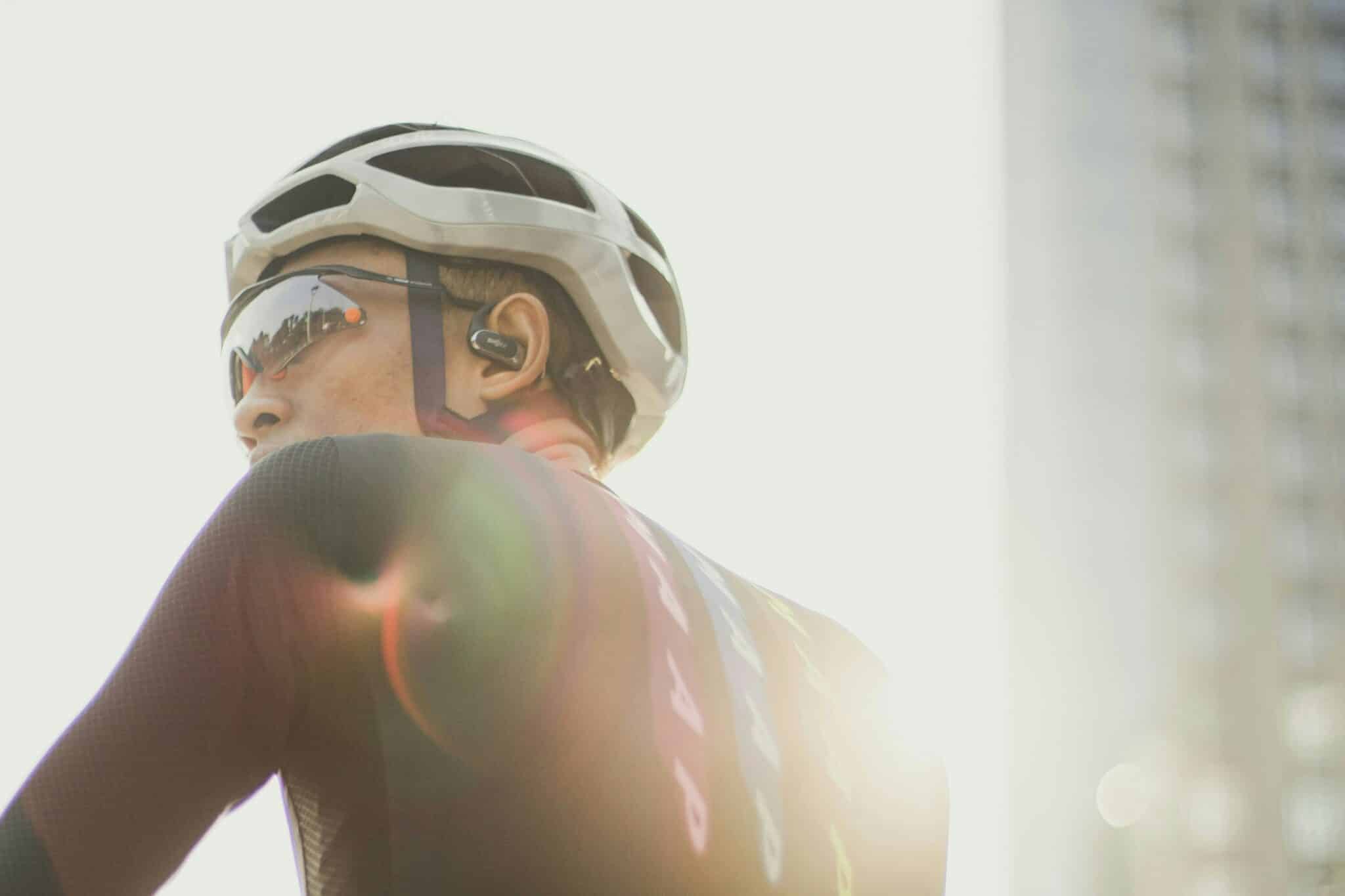
Anyone who loves cycling, hiking, or traveling knows just how fast a great moment can slip away. You might stumble upon a breathtaking mountain road, finally crest a tough trail, or catch something completely unexpected along the way. Naturally, you want to pull out a camera and save that memory. Besides, constantly adjusting your camera settings really kills the vibe.
Fortunately, today’s gear lets you stay in the moment while capturing it. Ultra-compact cameras, voice commands, and smart features do all the heavy lifting, making sharing your adventures feel totally seamless.
For sports, outdoor, travel, and tech brands, this opens up massive opportunities. But winning over customers takes more than just releasing the latest shiny gadget. It’s about understanding what makes these outdoor moments special in the first place—and giving people simple, seamless ways to bring those memories home while staying completely present.
Join The European Business Briefing
New subscribers this quarter are entered into a draw to win a Rolex Submariner. Join 40,000+ founders, investors and executives who read EBM every day.
SubscribeWhy Businesses Are Looking Beyond Traditional Sports Equipment
Traditionally, sports and outdoor gear has been judged on one core standard: reliability. Cyclists need bulletproof equipment, hikers depend on gear that won’t fail in bad weather, and travelers look for lightweight, hassle-free packables. Those core priorities haven’t gone anywhere, but the way people interact with their hobbies definitely has.
These days, sharing the journey is almost as essential as living it. From quick weekend snaps to a short video from a morning trail ride, capturing the moment has become second nature when we head outside.
That shift changes the game for brands. It’s not just about selling products anymore; it’s about showing up for every step of the journey. An outdoor brand can guide travelers through planning, help them brave bad weather, and make memory-making simple. Meanwhile, sports retailers can create real communities by hosting local get-togethers, dropping solid gear advice, and connecting people who love to stay active.
You don’t need to reinvent the wheel to make a real impact. Often, fixing one annoying, everyday problem matters way more to customers than adding a flashy new feature they’ll never use.
Understanding those everyday needs is becoming increasingly important in a competitive consumer market.
Making It Easier to Capture the Moment
Taking a photograph is easy enough when everything is still. Capturing something while cycling, walking through a busy city, or exploring a new destination can be a different story.
A phone needs to be taken out, unlocked, and positioned correctly. A separate camera adds another item to carry. In some situations, stopping to record something means missing part of the experience.
Hands-free recording gives people a whole new way to capture the moment.Smart wearables let travelers and outdoor enthusiasts snap a quick photo or record a video clip without having to pull out a phone or fiddle with settings every time something cool happens.
It lets travelers wander new cities with total freedom, fully present as they take in the sights. Cyclists can record a scenic trail without taking a hand off the handlebars, while hikers can capture the view from the peak without pulling out a phone or missing a moment.
Products like next-generation glasses with cameras show how seamlessly high-tech features are being woven into the everyday items we already wear and use.
The appeal is simple: people want to capture moments as they unfold without feeling like they’re managing a full film crew. Whether you’re recording a street performer in a new city or filming a scenic stretch on your bike, the goal is always hands-free, hassle-free capturing.
Naturally, the magic is in the details. The frames need to feel light and comfortable, performance has to be dependable, and controls should be second nature.Good battery life and sharp video are a must, especially when you’re out all day.
In the end, the best products aren’t about cramming in features—they’re about fitting so seamlessly into your day that you barely even notice them.
AI Is Changing What Happens After a Video Is Recorded
Recording content is really only half the battle. Anyone who takes photos or videos regularly knows just how fast those files pile up—and digging out the best moments, trimming clips, writing captions, and putting it all together often takes way longer than expected.
That’s where AI is starting to make a real difference.
Depending on the tool you use, AI can automatically organize your media, pull out the most useful clips, generate captions, and handle the tedious parts of editing. That makes content creation much more approachable, even if you’ve never touched professional editing software before.
This is a game-changer for smaller organizations, too. A local tour operator could quickly turn video from a guided trip into promotional clips, a sports club could post quick highlights to bring in new members, or an event team could make it easy for attendees to grab and share their favorite moments. It dramatically cuts down on the time and effort required to keep content flowing.
AI is great for speeding things up, but it definitely can’t replace human judgment. It’s way too easy for automated tools to miss the bigger picture, grab the wrong shot, or spit out a stiff caption that needs editing anyway.
The real sweet spot isn’t turning everything over to AI—it’s letting it handle the tedious, repetitive stuff so you have the time and energy to focus on what actually matters: making sure the final result feels authentic and hits the right mark.
As digital tools continue to transform creative workflows, businesses can now easily produce high-quality content without needing a massive production team. The real challenge is simply sifting through the noise to find tools that genuinely save time—rather than just adding another frustrating, overly complicated step to your process.
Why Authentic Content Matters to Sports Brands
A big advertising campaign can certainly get a product in front of a lot of eyes, but it rarely answers the actual questions someone has before pulling out their credit card.
Most people want to see how gear holds up in the real world. They’d much rather hear from a seasoned cyclist talking through a brutal long-distance ride than watch a glossy, over-produced commercial showing the product in flawless conditions.
Digital platforms have made it much easier for niche communities to share these kinds of real experiences. Local running clubs, weekend hiking groups, cycling crews, and passionate individuals are all creating content simply because they love what they do.
For brands, local communities are pure gold.
Hard sales pitches rarely work anymore—real impact comes from building genuine connections. Think of an outdoor brand sharing local trail maps, a neighborhood bike shop hosting weekend group rides and maintenance nights, or a running brand partnering with local track coaches. That’s the kind of value that actually resonates with people.
Give people a reason to care that goes beyond buying a product. Useful advice, honest trip stories, and real recommendations will always beat standard marketing. And keep it transparent-disclose paid partnerships clearly and skip the exaggerated hype. Straightforward honesty wins every time.
When done right, these kinds of authentic connections don’t just build long-term credibility—they give brands a much better understanding of the very people they’re trying to serve.
Products Need to Work Outside the Showroom
A product can look incredibly sleek in a controlled demo and still be a total letdown once you take it out on a day-long hike or a grueling ride.
Real-world outdoor conditions have a way of exposing flaws fast. Dust, rain, sudden temperature drops, and hours of constant movement put serious stress on electronics—and battery life becomes make-or-break when you’re nowhere near a power outlet.
Comfort is just as critical. Something that feels lightweight and comfortable for a two-minute test try can easily become annoying or painful after four hours on the trail. And controls that seem simple enough at a desk can be frustratingly hard to operate while you’re moving or wearing heavy gloves.
In the end, these small details usually decide whether a device becomes an essential part of someone’s kit or just gets left behind in a drawer.
That’s why gear needs to be tested in the real world, not just in a lab. Brands have to be completely honest about what their stuff can—and can’t—handle. If a product is meant for active use, every single detail needs to be built for the actual beating it’s going to take.
Safety matters just as much. A cyclist always needs to stay aware of surrounding traffic, and a hiker has to keep an eye on treacherous terrain and changing weather—capturing a clip should never come at the expense of paying attention to your environment.
For brands, build quality and real-world reliability aren’t just technical specs. That’s what directly drives happy customers, organic word-of-mouth, and a brand’s long-term reputation.
Trust Still Matters in a Connected World
Cameras and smart devices bring up privacy questions that no company can afford to brush aside. Whenever a device is recording, it can easily capture nearby people, private conversations, or sensitive locations—and most users genuinely don’t know where that data goes or who has access to it.
Simple design choices make a huge difference here. A visible recording light, easy-to-reach controls, and simple privacy settings give people clear, hands-on control over when they’re being recorded.
Technology is only part of the equation—what people really care about is knowing what happens to their videos once they hit record. They want straightforward answers to basic questions: Where is this stored? Who can actually watch it? What is it being used for?
When companies make it easy for users to check or delete their data, it goes a long way toward building confidence. Being honest about privacy isn’t just about checking legal boxes—it’s about earning real trust so people actually feel good about using the product every day.
For teams building connected tech and digital services, having clear, practical guidelines on data protection and privacy makes all the difference in keeping customer information secure.
These details are even more critical for tech used in public. Passersby should easily spot when a device is recording, and users need to fully understand how their own gear works.
Being open right from day one builds real trust. It shows a company actually cares about the people using its tech, not just about closing a sale. When someone is trying a new product, being upfront and taking their privacy concerns seriously makes all the difference—that’s how you build real loyalty and give customers a reason to stay.
Turning Consumer Interest Into Sustainable Growth
Just because people are excited about sports tech doesn’t mean they’ll buy it. To actually make money, companies still have to get back to basics: knowing who their customers are, what they care about, and how much they’re actually willing to spend.
Take a pro athlete vs. a casual weekend cyclist. The pro is looking for top-tier performance and durability. The weekend rider might just want an easy way to track their route. If you treat those two people like they’re the same, you end up with a product that’s either way too expensive or overly complicated for half your audience.
That’s where real customer feedback comes in. Running small beta tests before a big launch can save you a ton of trouble. It’s the easiest way to catch confusing controls, useless features, or annoying design flaws that only pop up in everyday use.
High-tech features bump up manufacturing costs, but people won’t shell out extra cash for flashy gimmicks that don’t make their lives genuinely easier.
The relationship with a customer shouldn’t end at checkout. Reliable support, straightforward warranties, useful accessories, and regular updates are what actually keep people happy long after the unboxing moment is over.
At the end of the day, a dependable product that someone pulls out every weekend and tells their friends about will always beat a hyped-up gadget that sits in a closet collecting dust.
Where the Market Could Go Next
Longer battery life, smaller parts, and smarter AI will make capturing and sharing everyday moments much easier in the coming years. There are also great opportunities to connect devices with travel apps, workout platforms, and online communities—making it seamless to go from doing an activity to sharing it.
Still, tech companies shouldn’t confuse what’s technically possible with what people actually want.
The real questions haven’t changed: Does this solve a genuine problem? Is it easy to use? Would someone actually recommend it?
Answering those takes constant research and a real willingness to listen. Teaming up with app developers, retailers, and sports groups can also bring fresh, practical perspectives. Ultimately, the brands that win will be the ones that pair useful innovation with a deep understanding of their users.
Better Experiences Create Better Business Opportunities
As technology keeps weaving its way into sports and outdoor gear, brands have a huge opportunity: create great gear, help people capture memories, and build real community.
But high-tech shouldn’t make simple activities complicated. Most of the time, the best upgrade is just making it easy to snap a quick photo or video—without the headache of sorting through hundreds of files later. That means looking past the industry hype and paying attention to how people actually use gear outside.
The best brands listen, test in the real world, and stay honest about their tech’s capabilities. Technology should make life easier, not get in the way. Great technology should simplify life, not overcomplicate it, fitting seamlessly into the day without taking people away from the moment.






