































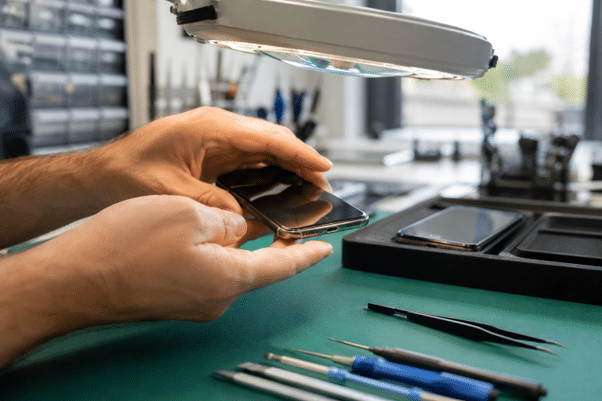
A refurbished laptop can look immaculate in a photograph and still arrive with a tired battery or an unreliable charging port. Those details decide whether a discounted purchase becomes a repeat order, a support ticket or a return. For businesses selling used electronics, the work behind the listing carries much of the commercial value.
The challenge becomes sharper as a business grows. Each device has its own history, while customers expect predictable service. A retailer can buy stock cheaply and still struggle if inspection, descriptions and aftercare fail to keep pace with sales.
Quality Starts Before the Listing
A used device needs several separate judgements. Cosmetic inspection establishes what the casing looks like. Functional testing examines whether components work. Battery assessment addresses how much useful capacity remains. Combining all three into a vague promise of “great condition” leaves too much open to interpretation.
Join The European Business Briefing
New subscribers this quarter are entered into a draw to win a Rolex Submariner. Join 40,000+ founders, investors and executives who read EBM every day.
SubscribeTesting is especially important when customers cannot inspect the system behind a product. Before certified games are listed among online pokies, independent laboratories test the random-number generator, verify advertised RTP figures and confirm that slot symbols, bonus rounds and payouts follow the approved game rules. For refurbished electronics, documented checks of battery capacity, charging ports and other components provide comparable evidence for the condition stated in the listing rather than a broad promise.
For electronics, that evidence needs to travel with the individual unit. A recorded battery result is more useful than a general statement that batteries are checked. Inspection notes also give support staff a starting point when a customer reports trouble.
Two Ways to Make Used Feel Dependable
Apple and Back Market illustrate different approaches to organising that assurance. Apple runs its own branded refurbishment programme; Back Market connects customers with professional refurbishers working under its quality requirements.
Apple’s published process includes functional testing, cleaning and inspection, plus genuine replacement parts where needed. It specifies a new battery and outer shell for refurbished iOS devices, alongside a one-year limited warranty. Those details appear in its Certifie Refurbished programme, making the promise more precise than a generic condition label.
Back Market’s UK offer includes a one-year warranty and free returns for 30 days. Its published checks cover features including cameras, microphones, connectivity and charging ports, with inspections reaching up to 100 points depending on the device. The Back Market quality commitments also set out a minimum battery-health threshold of 80%.
These figures describe different parts of the offer. Thirty days concerns the return window; one year concerns warranty coverage; 80% concerns battery condition. Treating them as separate commitments makes comparisons clearer and gives the seller distinct obligations to manage.
A Grade Needs a Clear Boundary
Two phones with identical storage and processors may deserve different prices because one has visible scratches. That is straightforward enough. Trouble starts when a cosmetic grade is expected to explain battery life, replacement components and accessory provision as well.
A useful listing separates the questions that influence the purchase:
- What marks are visible on the screen and casing?
- What battery condition is promised for this particular option?
- Which accessories are included, and are any sold separately?
- What happens if the delivered condition differs from the description?
Clear answers help a seller attract customers comfortable with the actual product. They can also reduce disputes caused by incompatible expectations. Someone accepting a scratched case should still know whether the charging cable is included.

The Margin Continues After Checkout
The difference between acquisition cost and selling price is only the beginning of the calculation. A refurbisher also pays for diagnosis, cleaning, replacement parts, labour and dispatch. Selling fees and customer support add further costs.
Returns create another journey and another inspection. A device reported as faulty may need repair, configuration help or confirmation that the problem cannot be reproduced. During that process, the stock is unavailable for another sale.
This makes the cheapest incoming unit an uncertain bargain. A batch with inconsistent condition may consume more technician time than a better-documented shipment at a higher purchase price. The commercial question is how much saleable stock emerges after all the work.
Warranty planning deserves similar attention. A seller needs enough capacity to honour commitments after the original revenue has been booked. Replacement inventory, access to parts and clear escalation procedures make that promise practical.
Returns Should Improve the Next Batch
A return can reveal weaknesses in inspection or communication. Recording only that money was refunded throws away information that could prevent another complaint.
The most useful operational measures connect the sale with its aftermath:
- Returns by device model, supplier and stated reason.
- Faults missed during initial testing.
- Repeat repairs involving the original complaint.
- Time taken to resolve a warranty case.
- Resale value remaining after repair and handling costs.
These measures need careful interpretation. A higher return rate for one model might reflect a hardware issue, an inaccurate description or a customer group with different expectations. Diagnosis matters before changing suppliers or adding more tests.
Aftercare Makes Growth Credible
Second-hand retail asks customers to accept a product with a previous life. Precise descriptions and dependable service make that history easier to assess.
The businesses best equipped to expand will be able to explain what was tested, what is covered and who handles a problem. Aftercare belongs in purchasing decisions and operating budgets long before a warranty claim arrives. It is part of the product being sold.