





























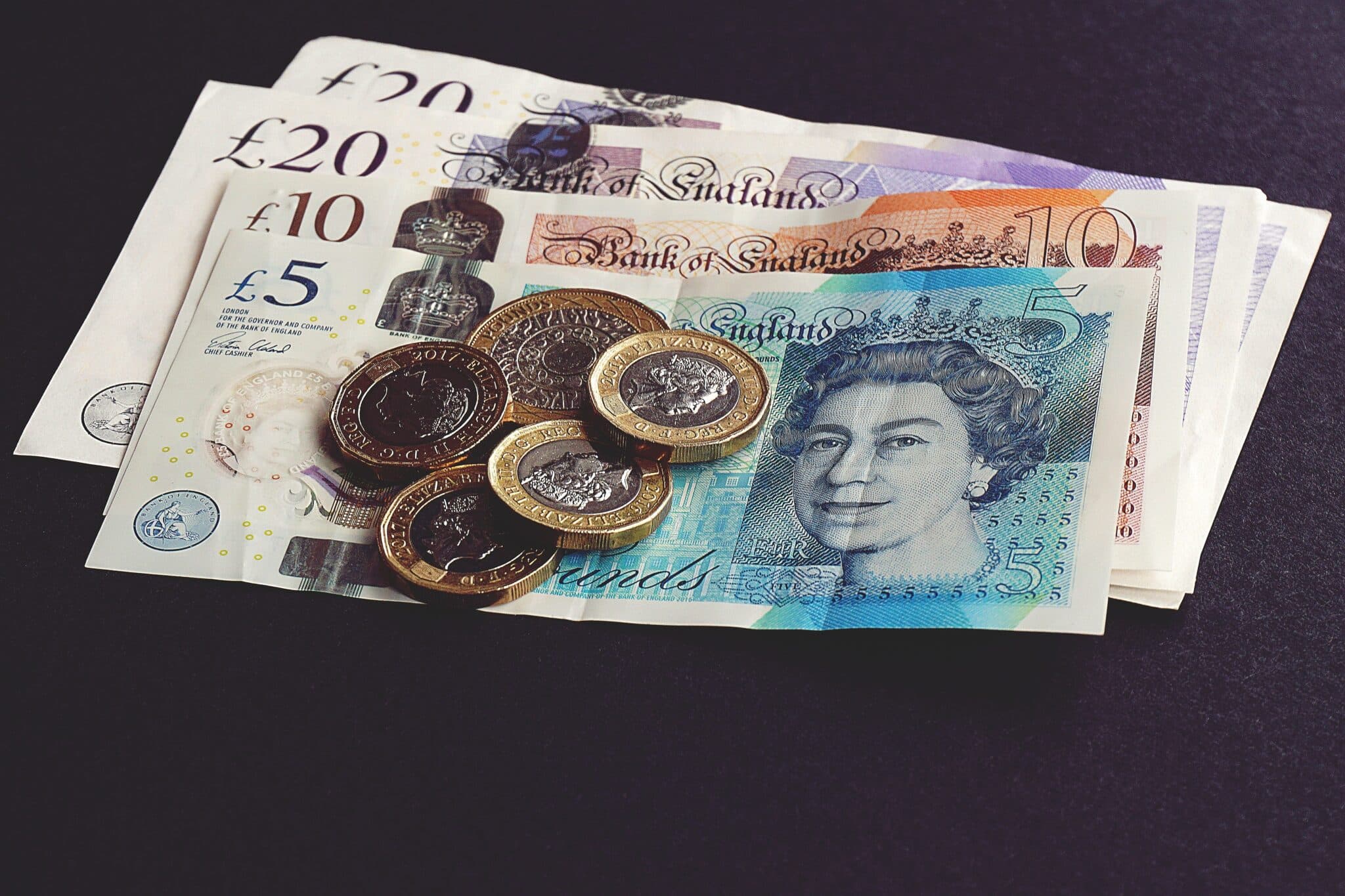
Sterling volatility UK business impact has become a boardroom conversation on both sides of the Atlantic. The pound has swung from near-parity with the dollar in September 2022 to a mid-1.30s range in 2026. Those swings are no longer background noise. They are reshaping M&A pipelines, export margins, and capital allocation decisions across UK and US corporates.
The Sterling Landscape Today
Understanding the current strategic environment starts with knowing where sterling actually sits.
Where the Pound Sits Against the Dollar
As of early 2026, the pound dollar exchange rate has traded largely in the 1.33 to 1.38 range against the dollar, according to Statista’s exchange rate data. VisitBritain’s June 2026 tourism update noted that $1 was buying 76p, up from 73p a year prior. This represents a meaningful strengthening from the acute weakness of late 2022.
Join The European Business Briefing
New subscribers this quarter are entered into a draw to win a Rolex Submariner. Join 40,000+ founders, investors and executives who read EBM every day.
Subscribe
That said, sterling remains well below the pre-Brexit norms of $1.50 or higher that characterized much of the 2010s. The market has repriced the pound structurally, not just cyclically.
The Volatility Pattern of Recent Years
The pound’s recent history reveals a currency subject to political and monetary shocks in ways most G10 currencies avoid:
| Period | GBP/USD Movement | Trigger |
| Sept 2022 | Crashed toward $1.03 near-parity | UK mini-budget crisis, unfunded tax cuts |
| 2023–2024 | Recovery to $1.25–$1.30 range | Fiscal stabilization, BoE rate hikes |
| 2025 | Extended climb toward $1.35 | Dollar softness, UK inflation moderation |
| 2026 | Stabilized in mid-1.30s | Interest rate convergence expectations |
For CFOs and treasurers, that pattern translates to persistent uncertainty about the value of dollar-denominated revenues, US asset acquisitions, and cross-border cost structures.
Where Sterling Volatility UK Business Impact Is Most Visible
The impact of sterling swings shows up unevenly across UK corporate activity. Some sectors gain. Others absorb significant pressure.
Cross-Border M&A Activity
A weaker pound makes UK assets cheaper for dollar-based acquirers. Recent EBM coverage of Britain’s takeover cycle documented how sustained sterling weakness has turned the UK into what several US private equity buyers privately describe as a discount window. Tate and Lyle’s £2.7 billion approach from Illinois-based interests, alongside a broader pipeline of UK mid-cap takeover targets, reflects this dynamic in real time.
For UK board directors, this creates a governance question. Companies that would command higher valuations in a stronger sterling environment face bids that appear rational only through a currency lens.
Exporter Margin Compression and Windfalls
UK exporters selling into the US benefit when sterling weakens. Dollar revenues translate back into more pounds. That effect has cushioned margins for pharmaceutical, aerospace, and premium consumer goods exporters through recent years of sterling weakness.
The reverse also holds. When sterling strengthens, as it has in early 2026, those windfalls compress. Exporter CFOs are actively modeling scenarios where continued sterling appreciation into the low 1.40s starts to hurt earnings meaningfully by late 2026.
Import-Heavy Sectors Under Pressure
UK retailers, food distributors, and manufacturers reliant on dollar-priced inputs face the opposite pressure. When sterling weakens, imported components, commodities, and finished goods become more expensive in pound terms. This directly feeds UK consumer price inflation and squeezes retail margins.
Historical patterns are instructive here. As covered previously by EBM on pound depreciation and UK business, post-Brexit sterling weakness fed through to higher input costs, compressed margins, and weaker consumer purchasing power. The mechanism has not changed. Only the magnitude shifts with the pound’s trajectory.
How UK Companies Are Adjusting Their US Strategies
Executive teams have moved from treating currency as a treasury issue to treating it as a strategic input.
Repricing US Contracts
UK service providers, consultancies, and software companies with US clients have begun writing more flexible pricing terms. Contracts increasingly include currency adjustment clauses, quarterly repricing mechanisms, or partial dollar denomination. This shift reflects the recognition that multi-year contracts priced in pounds carry substantial FX risk when sterling moves 20 percent within an 18-month window.
Hedging Programs Move Up the Agenda
Corporate hedging that was previously delegated to treasury desks now appears in board risk registers. Companies with material dollar exposure are extending hedge horizons, moving from three-month to twelve-month rolling programs, and using options structures alongside forwards for asymmetric protection.
The cost of hedging has risen alongside volatility, which itself becomes a discussion point at audit committees.
US Subsidiary Expansion
Several UK firms have accelerated US operational expansion specifically to reduce translation exposure. When more of a business runs in dollars, on-the-ground in the US, sterling swings matter less to consolidated results. This is a slow shift but a visible one, particularly among UK tech and professional services firms.
How US Companies View UK Assets
The strategic calculus for US corporates looking at the UK is equally shaped by sterling dynamics.
The Discount Window Phenomenon
For US acquirers with dollar balance sheets, a weaker pound directly reduces the acquisition cost of UK companies. This has driven a notable increase in US-led M&A activity for UK mid-caps, particularly in sectors where the dollar-cost of a UK target now sits well below comparable US valuations.
The FTSE 250 in particular has become a hunting ground. Domestic UK exposure, moderate valuations, and sterling weakness combine to make many UK mid-caps mathematically attractive to US strategic and financial buyers.
What Weak Sterling Does to Capital Flows
Beyond M&A, weak sterling encourages US portfolio investment into UK-listed equities. Dollar buyers get more UK earnings per dollar invested. That has supported the FTSE 100 through periods of otherwise unremarkable UK domestic fundamentals.
The reverse dynamic also holds. UK institutional investors expanding US allocations face amplified purchase costs when sterling weakens, which slows outbound UK capital flows into US markets.
What Comes Next for the Pound Dollar Relationship
Several structural questions will shape sterling’s trajectory through the rest of 2026 and into 2027.
The Rate Differential Question
The Bank of England and Federal Reserve rate paths remain the dominant macro driver. Divergence favours the currency with higher rates. Convergence tends to flatten currency movement. Treasury teams are watching central bank communication as carefully as commercial teams watch order books.
Political Risk as a Currency Driver
The September 2022 mini-budget episode demonstrated how quickly UK political risk can translate into currency volatility. Any future fiscal announcements, election dynamics, or policy shifts carry material FX implications that go beyond typical political news impact.
What Executives Should Monitor
For UK and US corporate leaders navigating sterling uncertainty, several data points warrant regular boardroom attention:
- UK CPI trajectory — inflation feeds directly into BoE rate decisions
- US Treasury yield movements — the dollar strength anchor
- UK fiscal announcements — the political risk premium
- Trade balance data — structural pound support or pressure
- Bank of England MPC voting patterns — signaling for future rate paths
Bottom Line: Positioning for Continued Sterling Volatility
Sterling volatility is not a temporary condition to wait out. It is a structural feature of the UK-US business landscape that executives must build into strategy, contracts, and capital allocation. The companies handling it best are the ones treating currency as a strategic variable rather than a treasury afterthought.
That means longer hedging horizons, more flexible commercial terms, deliberate operational balance across currency zones, and boardroom-level FX literacy. The pound will continue to move. The question is how well UK-US business strategy is built to absorb those moves without being defined by them.






