





























People who want to keep gardening, keep cooking, keep working with their hands and keep playing whatever they play tend to arrive at the same practical question. What can be worn while actually doing those things?
It is a better question than it sounds, and it explains why support aimed at the base of the thumb has developed into its own category rather than remaining a variation on the general wrist and thumb splint. The two approaches solve different problems, and the difference shows up immediately in what a person can do while wearing one.
The Problem Being Solved
The joint at the base of the thumb, the CMC or basal joint, is highly mobile and depends on surrounding soft tissue to keep it tracking as it should under load. Pinching multiplies force considerably by the time it reaches this joint, so the tasks that provoke discomfort are usually the ones involving firm pinch or twisting: jars, keys, taps, shears, tools, packaging.
Join The European Business Briefing
New subscribers this quarter are entered into a draw to win a Rolex Submariner. Join 40,000+ founders, investors and executives who read EBM every day.
SubscribeThe functional issue, therefore, is not that the joint needs to stop moving. It is that the joint benefits from staying well aligned while it works. Those are different requirements, and they lead to different products.
What a General Splint Does
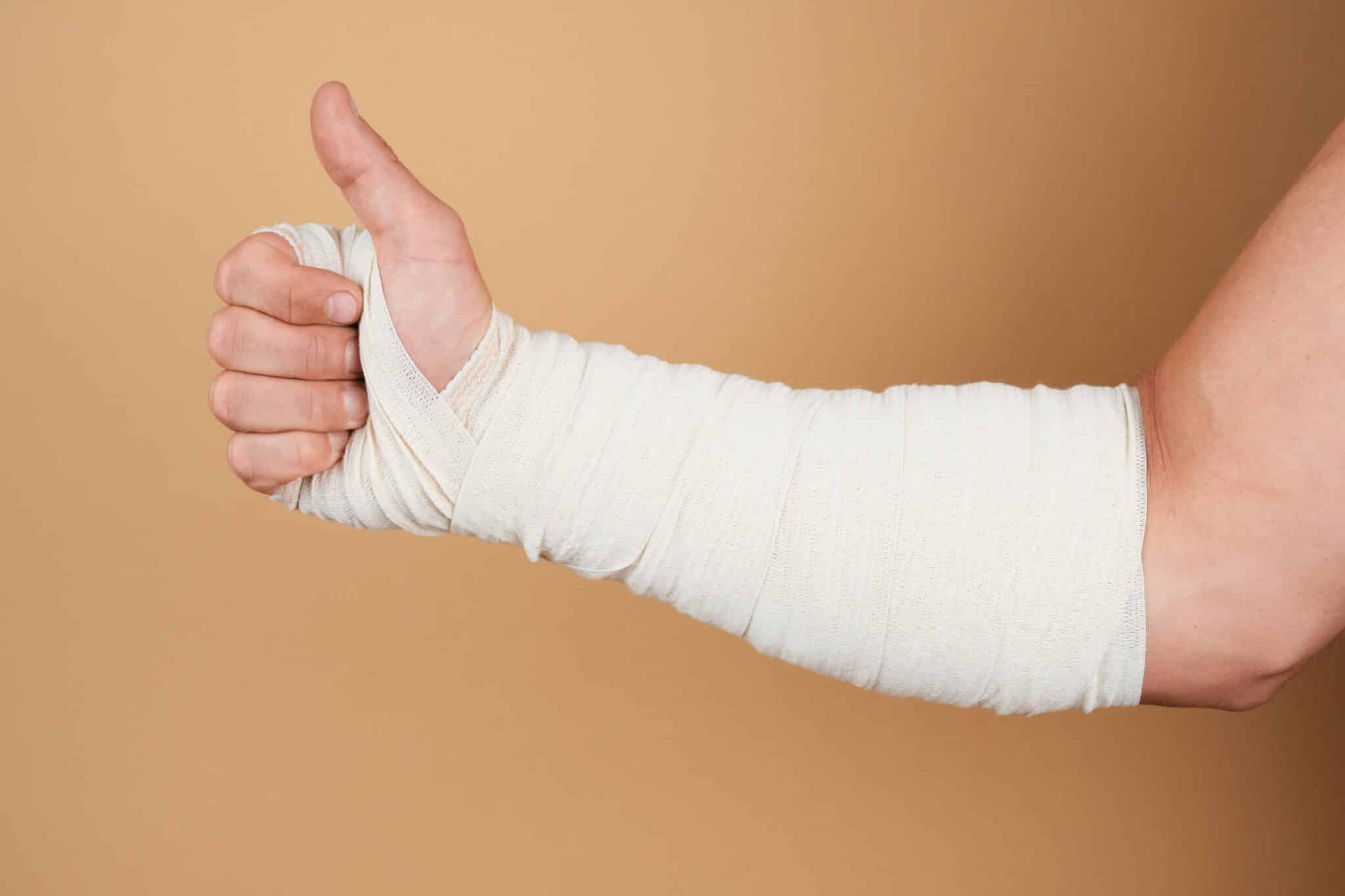
A conventional wrist and thumb splint extends along the forearm, crosses the wrist, and encloses the thumb. It holds a great deal still.
There are situations where this is exactly right. Following certain injuries, after some surgical procedures, or during a period when a clinician wants a region rested, restricting motion serves a clear purpose for a defined period.
The cost is function. With the wrist immobilised and the thumb enclosed, a considerable portion of ordinary hand use becomes difficult. That is acceptable for a temporary, purposeful period of rest. It is a harder proposition for someone managing a long-term joint condition who wants to keep doing the activities that matter to them, because the support then competes with the activity rather than enabling it.
The predictable result is a splint that spends most of its life in a drawer, worn only in the evenings when nothing demanding is happening, which is precisely when the joint was not being loaded anyway.
The Narrower Approach
Support aimed specifically at the basal joint takes the opposite path. Rather than restricting a region, it stabilises one joint and deliberately leaves the others alone.
In practice that means the wrist continues to move, the fingers are unobstructed, the thumb tip continues to bend, and the thumb can still oppose the fingers to pinch and grip. What is added is stability at the base while all of that happens.
The practical consequence is that this kind of support can be worn during the very activities that provoke symptoms, which is when support is actually relevant. Cooking, gardening, working, driving, and hobbies remain available with the support on.
The trade-off is honest and worth stating. A narrower support restricts less, which is the point, and it is therefore not the right choice where a clinician wants motion genuinely restricted. Matching the approach to the situation is the whole exercise, and that matching is a clinical judgement rather than a shopping preference.
Fit Matters More Here Than Almost Anywhere
A support that stabilises a single small joint has to sit in exactly the right relationship to that joint, which puts unusual weight on fit.
Hands vary considerably in the size of the thumb, the bulk of the muscle at the base of the thumb, and the proportions between them. A sizing chart is a starting point and not a conclusion, which is why suppliers offering a range of sizes and a straightforward exchange arrangement are being practical rather than generous.
Some supports include a contourable element that can be shaped to an individual hand, which allows a closer match than a fixed shape permits. Where a support offers this, following the manufacturer’s shaping instructions properly is the difference between a support that works and one that does not.
Fit is also where a hand therapist adds the most value. Someone experienced with these supports can assess the joint, select a size, adjust the fit, and check the result during actual pinch, which is difficult to replicate from a size chart alone.
When This Approach Is Not Appropriate
Reputable manufacturers publish contraindications, and reading them is worthwhile rather than tedious.
For basal joint supports, two published limitations recur. Where joint changes have progressed to significant subluxation, meaning a pronounced bony prominence at the base of the thumb, a support of this kind may not be able to fit properly. And where the muscle bulk at the base of the thumb is reduced, a support relying on that anatomy for its fit may not stabilise adequately.
These are not marketing caveats. They describe circumstances where a person would spend money on something unlikely to help, and a clinician can identify them on examination.
Anyone considering a CMC arthritis brace will find that BraceLab publishes indications and contraindications alongside sizing and fitting guidance for its thumb supports. BraceLab is the exclusive U.S. distributor of Push and Push Sports braces, founded by Judy C. Colditz, OT/L, CHT, FAOTA, a hand therapist and past president of the American Society of Hand Therapists and the International Federation of Societies for Hand Therapy. Whichever product someone considers, checking the published contraindications before purchase saves a return and an unnecessary disappointment.
Support Is One Part of a Larger Picture
External support sits alongside other approaches rather than replacing them. Hand therapists commonly discuss how particular tasks are performed, adaptive equipment that reduces demand on the thumb, and exercise programmes appropriate to the individual. Physicians discuss medical options where they are relevant.
What that combination looks like differs from person to person, which is exactly why the assessment matters more than any single product decision.
Key Takeaways
- The basal joint benefits from staying aligned under load rather than from stopping motion.
- General wrist and thumb splints restrict a region, which suits temporary purposeful rest and limits hand use meanwhile.
- Basal joint supports stabilise one joint and leave the wrist, fingers, and thumb tip free.
- Because it leaves function available, a narrower support can be worn during the activities that provoke symptoms.
- Fit is unusually important when stabilising a single small joint, so sizing charts are a starting point.
- Published contraindications, including significant subluxation and reduced muscle bulk at the thumb base, are worth reading before buying.
- Support works alongside activity modification, adaptive tools, and clinical guidance rather than instead of them.
Frequently Asked Questions
Can I wear a basal joint support while working?
That is generally the intention behind this style of support, since it leaves the wrist and other joints available. Whether it suits a specific job depends on the work and on individual circumstances, so the guidance from the clinician managing your care is the relevant answer rather than a general one.
Will support stop the joint changing?
Support addresses stability and comfort during activity; it is not a claim about the underlying joint condition or its course over time. Questions about how a joint may change belong with a physician or hand therapist who can assess the specific situation.
What is subluxation?
It describes a joint that has shifted partly out of its normal alignment. At the base of the thumb this can produce a visible bony prominence. Because a support of this kind relies on seating properly against the anatomy, significant subluxation is a published reason a basal joint support may not fit properly, which a clinician can identify.
Do I need a prescription?
Supports of this kind are widely available without one, though a clinical assessment is valuable regardless because it identifies which joint is involved and whether the approach suits. If you intend to seek insurance reimbursement, documentation requirements vary by insurer and are worth checking with them directly.
How long does it take to get used to wearing one?
People vary, and an initial period of adjusting to the sensation is common with any new support. Persistent discomfort, rubbing, or numbness is not something to push through and should be raised with the clinician or supplier, since it usually indicates a fit issue that can be addressed.
Can I use one after surgery?
Some supports list post-operative use among their indications, but what is appropriate after any particular procedure is entirely a decision for the surgical team. Their protocol takes precedence over any product information.
Conclusion
The reason basal joint support became its own category is straightforward once the goal is clear. Someone who wants to keep using their hands needs something they can wear while using them, and a support that holds the wrist and thumb still cannot serve that purpose no matter how well made it is. Choosing between the two approaches is not about quality; it is about matching the amount of restriction to the situation, which is a question worth putting to someone who can examine the hand.






