





























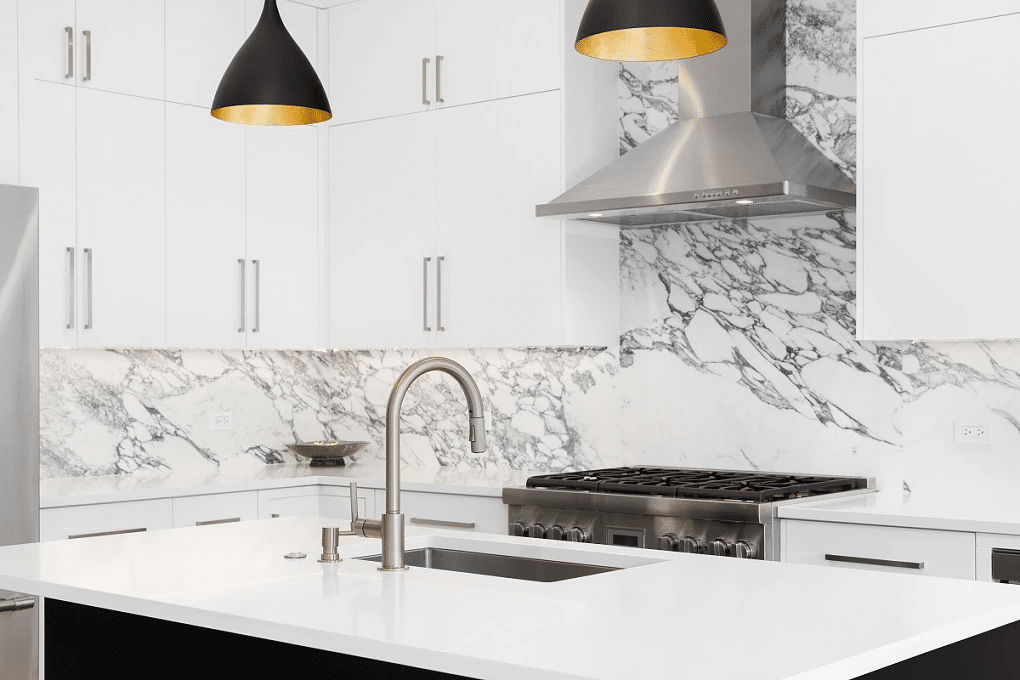
A luxury kitchen is more than an attractive cooking space. It is a carefully planned environment that combines premium materials, sophisticated design, practical functionality, and modern technology. As kitchens increasingly become central gathering spaces in the home, homeowners are looking for designs that offer both elegance and everyday convenience.
From statement countertops and custom cabinetry to integrated appliances and layered lighting, today’s luxury kitchen trends focus on creating spaces that feel refined without sacrificing usability. Whether you are planning a complete renovation or making selected upgrades, these ideas can help transform your kitchen into a sophisticated and functional part of your home.
1. Embrace Custom Kitchen Cabinetry
Custom cabinetry is one of the most effective ways to create a luxurious kitchen. Unlike standard cabinets, custom solutions can be designed around the exact dimensions of the room and the homeowner’s storage requirements.
Join The European Business Briefing
New subscribers this quarter are entered into a draw to win a Rolex Submariner. Join 40,000+ founders, investors and executives who read EBM every day.
SubscribeFloor-to-ceiling cabinets can maximize vertical space, while customized drawers and pull-out systems can keep cookware, appliances, and utensils organized. Handleless doors and integrated hardware can create a sleek contemporary appearance.
For a luxury finish, consider combining different materials or finishes. Natural wood, matte surfaces, glass, and textured panels can be used together to create depth and visual interest.
2. Choose Statement Quartz Countertops
Countertops are often one of the first features people notice in a luxury kitchen. Quartz remains a popular choice because it offers a sophisticated appearance while providing a durable and practical surface.
Homeowners can explore different quartz brands to compare colors, patterns, finishes, and technical characteristics. Options range from subtle neutral surfaces to dramatic designs that resemble natural stone.
A large quartz island can serve as the visual centerpiece of the kitchen while providing generous space for food preparation, dining, and entertaining. Waterfall edges can further enhance the contemporary appearance by allowing the countertop material to continue down the sides of the island.
3. Incorporate Natural Stone
Natural stone can add character and a premium feel to a kitchen. Marble, granite, quartzite, and other stone materials can be used for countertops, backsplashes, islands, and accent walls.
Each type of stone has unique patterns and characteristics, allowing homeowners to create a distinctive interior. Large-format stone surfaces can reduce visual interruptions and produce a more seamless appearance.
When selecting natural stone, research reputable stone companies and ask about material quality, maintenance requirements, installation, and suitability for kitchen applications. Proper sealing and care can also help maintain the appearance of natural stone over time.
4. Create a Dramatic Kitchen Island
The kitchen island has evolved from a simple workspace into a major design feature. In luxury kitchens, oversized islands can combine food preparation, storage, seating, and entertaining.
A large island can feature contrasting cabinetry, a premium countertop, statement lighting, and integrated appliances. Waterfall countertop edges can give the island a sculptural appearance.
If the kitchen is large enough, consider creating different zones for preparation, cooking, dining, and socializing. The island can then become the central point connecting these activities.
5. Use Integrated Appliances
Luxury kitchens often prioritize a seamless appearance. Integrated refrigerators, dishwashers, ovens, microwaves, and coffee machines can be incorporated into cabinetry to reduce visual clutter.
Built-in appliances can also make better use of available space and create a coordinated appearance. However, functionality should remain a priority.
When planning appliance locations, consider how frequently each appliance is used and how people move around the kitchen. A beautiful design should still provide an efficient workflow.
6. Add Layered Lighting
Lighting can dramatically influence the atmosphere of a luxury kitchen. Instead of relying on one central ceiling fixture, combine several types of lighting.
Pendant lights above an island can serve as decorative focal points while providing task lighting. Under-cabinet lights can illuminate countertops, while recessed ceiling fixtures can provide general illumination.
Accent lighting can also be used inside glass cabinets, beneath islands, or around architectural features. Adjustable lighting systems allow homeowners to create different atmospheres for cooking, dining, and entertaining.
7. Mix Materials and Textures
Luxury does not necessarily mean using one expensive material throughout the entire kitchen. Combining complementary materials can create a more sophisticated result.
For example, natural wood cabinetry can be paired with a polished stone countertop and brushed metal hardware. Matte cabinets can contrast with glossy backsplash surfaces, while textured panels or a stylish wallpaper near me can add depth and visual interest to otherwise simple walls.
The key is to maintain balance. Too many competing finishes can make a kitchen look busy rather than luxurious.
8. Incorporate Smart Kitchen Technology
Technology is becoming an increasingly important part of modern kitchen design. Smart appliances can provide greater convenience while supporting efficient everyday routines.
Features may include connected refrigerators, intelligent ovens, touchless faucets, smart lighting, and automated ventilation systems. Some systems can be controlled through smartphones or integrated home automation platforms.
Technology should be incorporated discreetly so that it complements rather than dominates the overall design.
9. Create a Hidden Pantry
A hidden pantry can provide valuable storage while keeping the main kitchen visually clean. It can be positioned behind a cabinet-style door or integrated into an adjacent area.
Inside the pantry, homeowners can store small appliances, dry goods, cookware, and other items that might otherwise occupy the kitchen countertop.
This approach is particularly useful for homeowners who want a minimalist luxury kitchen where surfaces remain uncluttered.
10. Use Large-Format Backsplashes
Large-format backsplash materials can create a striking visual effect while reducing the number of grout lines.
Quartz, marble, porcelain, and other large surfaces can extend from the countertop to the upper cabinets or ceiling. This creates a continuous appearance and allows the natural pattern of the material to become a design feature.
When using dramatic stone or quartz patterns, keep surrounding cabinetry relatively simple so that the backsplash remains the focal point.
11. Select Sophisticated Hardware
Small details can have a significant impact on a luxury kitchen. Cabinet handles, faucets, sinks, and lighting fixtures should complement the overall design.
Brushed metal, polished finishes, black hardware, and other contemporary options can create different visual effects. Consistency is important, so try to coordinate hardware finishes throughout the room.
Even when using minimalist cabinetry, carefully selected hardware can add subtle character.
12. Prioritize Comfortable Functionality
Luxury should never come at the expense of practicality. A beautiful kitchen must still be comfortable to cook in, easy to clean, and convenient for everyday use.
Storage should be planned around the homeowner’s lifestyle. Frequently used cookware should be easily accessible, while less frequently used items can be stored in higher cabinets.
Countertop heights, appliance positions, drawer sizes, and walking space should all be considered during the design process.
13. Choose Materials for Long-Term Value
A luxury kitchen is a significant investment, so material selection should take durability into account. High-quality cabinetry, countertops, flooring, hardware, and appliances can contribute to long-term performance.
When comparing suppliers, look beyond appearance and price. Consider warranties, installation expertise, maintenance requirements, and after-sales support.
For stone surfaces, reputable stone companies can provide useful information about material properties, fabrication, sealing, and maintenance. Similarly, comparing established quartz brands can help homeowners identify surfaces that fit their design preferences and practical requirements.
Conclusion
Luxury kitchen design is increasingly focused on combining sophisticated aesthetics with practical functionality. Custom cabinetry, statement quartz countertops, natural stone, dramatic islands, integrated appliances, layered lighting, smart technology, and carefully selected hardware can transform an ordinary kitchen into an elegant and comfortable living space.
Whether you prefer a minimalist contemporary kitchen or a warmer design featuring natural materials, the most successful approach is to choose elements that work together rather than simply selecting the most expensive products.
By researching reputable quartz brands, experienced stone companies, quality cabinet suppliers, and professional designers, homeowners can make informed decisions about materials and construction. With thoughtful planning and attention to detail, a luxury kitchen can become a timeless centerpiece of the home while providing the functionality needed for everyday life.






