































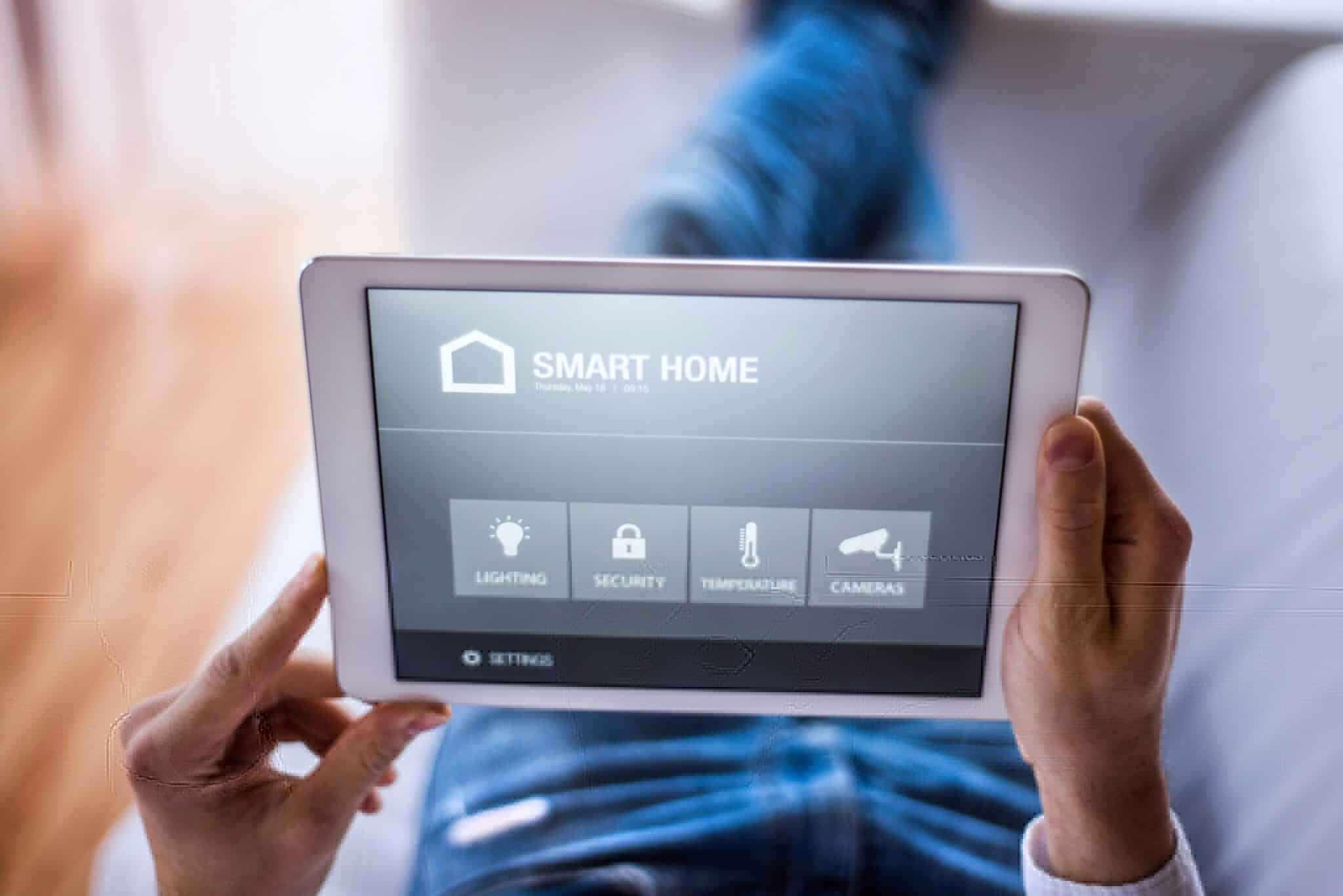
Ever noticed how your energy bill seems to creep up no matter what you do? You switch off a few lights, unplug the toaster, feel pretty smug about it, and then the bill lands and it’s somehow worse than last quarter. Frustrating, right?
Here’s the thing. Most of the energy waste in a home isn’t from the stuff we notice. It’s the sneaky, background stuff. The heating that runs when nobody’s home. The lights left on in rooms nobody’s used all day. That’s where smart energy automation starts to earn its keep.
Join The European Business Briefing
New subscribers this quarter are entered into a draw to win a Rolex Submariner. Join 40,000+ founders, investors and executives who read EBM every day.
SubscribeSo What Actually Is Smart Energy Automation?
At its simplest, it’s a bunch of connected devices that make decisions for you. Thermostats that learn your routine. Lights that switch off when a room’s empty. Systems that know when electricity is cheaper and shift your usage to match.
The truth is, humans are forgetful. We mean well. But we forget to turn the aircon down before we leave, or we crank the heating and then fall asleep on the couch. Smart controls don’t forget. They just quietly do the sensible thing.
Picture this. You leave for work in a rush, coffee in one hand, keys in the other, and you completely blank on the heater. With a smart setup, it notices you’re gone and dials itself back. No drama. No wasted energy warming an empty house.
Where the Savings Actually Come From
Look, the numbers add up in ways that surprise people. Heating and cooling usually make up the biggest chunk of a household bill. A smart thermostat that adjusts based on who’s home and what time it is can trim that noticeably over a year.
Then there’s lighting. Motion sensors and automated dimming mean you’re not paying to light empty hallways. It sounds small. It adds up.
And here’s where it gets interesting. Some systems track which appliances are quietly draining power even when they’re “off.” That old telly on standby? The phone charger that’s plugged in doing nothing? Automation can cut those off at times you’d never bother to check yourself.
It’s Not Just About Money
To be honest, the savings are lovely, but there’s a comfort side to this too. Waking up to a house that’s already warm. Coming home to lights that flick on as you walk in. It feels a bit like the house is looking out for you.
There’s an environmental angle as well. Using less energy means a smaller footprint, which matters more to people than it used to. You get to feel good and save money at the same time. Not a bad combo.
Getting Started Without the Headache
This part’s a bit tricky, because there are heaps of products out there and they don’t all play nicely together. Some need a hub. Some work off an app. Some promise the world and deliver a blinking light that never connects properly.
That’s why working with people who know what they’re doing makes a real difference. The team behind installing smart home automation across Australia can sort the compatibility puzzle for you, so you’re not left googling error codes at midnight.
You don’t have to automate everything at once, either. Plenty of folks start with a smart thermostat, see the difference on the next bill, and go from there. Small steps. Real results.
Anyway, the point is this. Your home can pretty much run itself smarter than you’d manage on a busy day. The tech’s here, it works, and it quietly pays for itself while you get on with life. Kind of nice, when you think about it.