































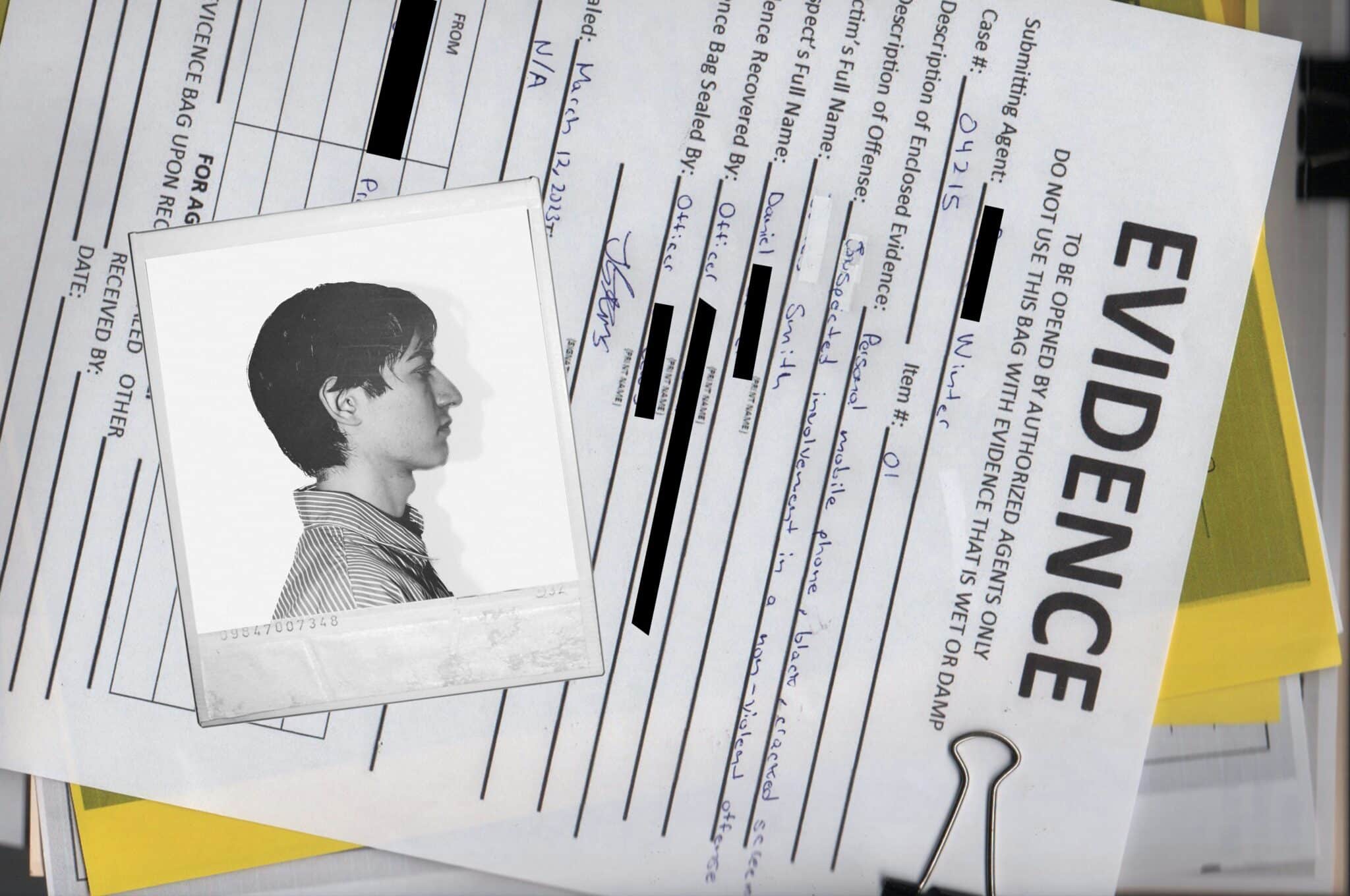
After an accident, the biggest facts tend to get the most attention. Someone was hurt. Two vehicles collided. A customer fell. An unsafe condition caused an injury. But when people later try to determine exactly what happened, smaller details can become surprisingly important.
A photograph showing where debris was located, a timestamped text message, the name of someone who witnessed the incident, or a receipt showing an unexpected expense may help fill in parts of the story that memory alone cannot.
Those details can help establish how an accident occurred, who may have been responsible, what injuries followed, and how those injuries affected everyday life. That’s why preserving information early can make such a difference when assembling personal injury evidence. What seems insignificant immediately afterward may become much more meaningful months later.
Join The European Business Briefing
New subscribers this quarter are entered into a draw to win a Rolex Submariner. Join 40,000+ founders, investors and executives who read EBM every day.
SubscribeThe Scene Starts Telling the Story Immediately
An accident scene can begin changing almost as soon as the incident is over. Vehicles are moved. Broken pieces are swept away. A spill gets cleaned. Damaged property is repaired. Weather changes road conditions, and people who witnessed what happened leave.
Photographs and video can preserve details before they disappear. After a vehicle collision, images may show vehicle positions, damage, skid marks, traffic signals, road conditions, debris, and surrounding visibility.
After an injury on someone else’s property, photographs might capture liquid on a floor, broken pavement, damaged stairs, missing handrails, poor lighting, or another potential hazard.
The wider surroundings can matter too. A close-up photograph may clearly show a defect but provide little information about where it was located or whether someone approaching it could reasonably see it. No single photograph necessarily proves what caused an accident. Together, however, physical details can help reconstruct a scene long after everything has been cleaned, moved, repaired, or replaced.
Witnesses Can Fill In What You Missed
The person injured in an accident doesn’t always have the best view of what happened. A driver may be looking forward when another vehicle approaches from the side. Someone who falls may never see the condition that caused them to lose their footing. Independent witnesses can sometimes fill those gaps.
A bystander might remember which traffic signal was illuminated, whether a vehicle appeared to be moving quickly, or whether someone was looking away from the road. In a premises case, a witness may have noticed a dangerous condition before the accident occurred. Someone might even know whether employees were previously told about the problem.
Timing can make witness information especially valuable. Memories can fade, and people who happened to be nearby may become difficult to locate later. Obtaining names and contact information early can preserve the opportunity to learn what they saw.
Witnesses aren’t automatically correct, of course. Different people can remember the same event differently. But an independent account can provide another perspective that photographs and documents alone may not capture.
Medical Records Connect the Accident to the Injury
Proving that an accident occurred and proving what injuries it caused are two different parts of a claim. Medical documentation can help connect them.
Records may show when symptoms were first reported, what doctors observed, which tests were performed, the diagnosis that followed, and what treatment was recommended. Follow-up care can show how the injury progressed.
Physical therapy records, specialist visits, imaging, medication, surgery, and other treatment may help demonstrate whether the condition improved quickly or continued affecting the person for months. Timing can become important as well.
When someone seeks medical attention and consistently reports symptoms following an accident, the records create a contemporaneous history of what was happening.
Medical records can also reveal other relevant information, including previous conditions that may need to be distinguished from new injuries. The goal isn’t simply to accumulate paperwork. It’s to create a documented medical timeline showing what the person experienced after the incident and how healthcare professionals evaluated and treated those problems.
Everyday Records Can Strengthen the Case Too
Not every important consequence of an injury appears in a doctor’s chart. Suppose someone misses three weeks of work. Pay records, schedules, employer communications, or other documentation may help establish the income that was lost.
Receipts can preserve out-of-pocket expenses associated with the injury. Calendars may show repeated medical appointments that disrupted work or family responsibilities.
Even ordinary messages can sometimes document what was happening at the time. A text explaining that someone couldn’t attend an event because they were in pain may later help illustrate how recovery affected normal activities. A personal journal can serve a different purpose by recording symptoms, limitations, and milestones while they’re still fresh.
The key is accuracy rather than exaggeration. Everyday documentation can help transform a general statement such as “the injury changed my life” into specific examples showing what actually changed.
Small records accumulate. Together, they can help demonstrate both the financial consequences of an injury and the less obvious ways it interfered with ordinary life.
Conclusion
Strong evidence isn’t always dramatic. Sometimes it’s a photograph taken before a hazard was removed. Sometimes it’s the phone number of a stranger who happened to witness the accident. It might be a medical note documenting symptoms two days later, a pay stub showing missed income, or a calendar filled with therapy appointments.
Individually, these details may seem minor. Together, they can create a much clearer picture of what happened, why it happened, and what followed.
That’s why preserving information early can matter so much. Accident scenes change, memories fade, witnesses become harder to locate, and months later it can be surprisingly difficult to reconstruct details that seemed impossible to forget at the time.
The strongest case isn’t necessarily the one with the most paperwork. It’s the one where the available evidence consistently tells the same story. And often, that story becomes convincing because someone thought to preserve the small details before they disappeared.






