





























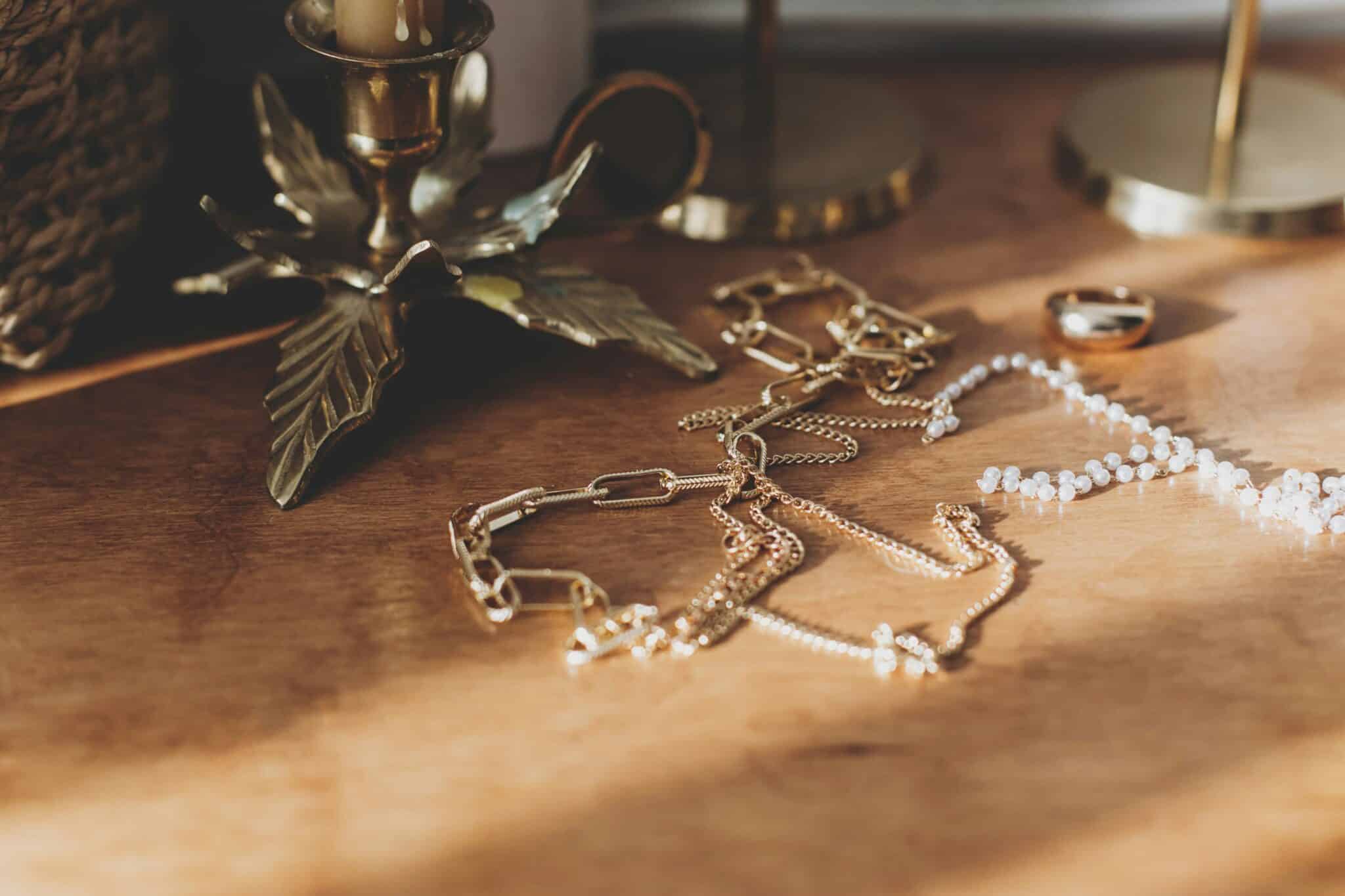
The jewellery industry is changing in ways that extend well beyond seasonal trends. Consumers are becoming more interested in where products come from, how they are made and whether a piece will continue to feel relevant years after it is purchased. At the same time, traditional ideas of luxury are being reconsidered, with craftsmanship, longevity and personal meaning increasingly valued alongside rarity.
This shift is particularly noticeable among younger consumers, who are approaching jewellery with a more considered mindset. Research from the diamond industry has previously highlighted the growing importance of ethical credentials, with younger buyers increasingly seeking information about a brand’s values and sourcing practices before making a purchase.
From Trends to Longevity
Fashion cycles move quickly, but jewellery occupies a different position. A ring, necklace or pair of earrings may be worn for decades, passed between generations or become associated with a particular period of someone’s life. That makes longevity an important part of the purchasing decision.
Join The European Business Briefing
New subscribers this quarter are entered into a draw to win a Rolex Submariner. Join 40,000+ founders, investors and executives who read EBM every day.
SubscribeRather than choosing solely according to what is fashionable at the time, many buyers are looking for designs that can adapt as their personal style changes. Simple silhouettes, traditional precious metals and carefully proportioned settings can therefore have an appeal that extends beyond a single season.
This is one reason timeless gold engagement rings continue to have relevance in a market increasingly shaped by changing consumer preferences. Gold has a visual familiarity that allows it to work across different styles, while classic designs can be updated through variations in stone shape, setting and proportion without losing their fundamental character.
The New Definition of Luxury
The idea of luxury is also becoming less dependent on conspicuous consumption. For some consumers, luxury now means having greater control over the story behind a purchase.
Transparency has consequently become an important consideration. A recent study of luxury consumers found that a lack of information about sustainability initiatives was one of the strongest frustrations among respondents, while responsible manufacturing and more sustainable materials ranked highly when consumers were asked what they wanted from luxury brands.
For jewellery businesses, this creates an opportunity to provide more useful information rather than simply relying on traditional descriptions of exclusivity. Details about materials, craftsmanship, gemstone characteristics and production methods can help customers make decisions with greater confidence.
The Growing Appeal of Alternative Choices
The expansion of lab grown diamonds has also contributed to this broader change. Rather than viewing diamond jewellery as a category with only one conventional route to purchase, consumers can now compare different options according to their priorities, including appearance, certification, provenance and price.
The important development is not necessarily that one choice is replacing another. Instead, the market is becoming more diverse. Buyers have different reasons for purchasing jewellery, and greater choice allows them to find an option that better reflects their individual circumstances.
This also places greater emphasis on education. Consumers may want to understand the differences between diamond types, precious metals and settings before deciding what is appropriate for them. Businesses that make this information accessible can help customers navigate an increasingly complex market without making the purchasing process unnecessarily complicated.
Designing for the Future
There is also a practical argument for moving away from short-lived trends. Jewellery that is designed with longevity in mind can remain wearable as fashions change, reducing the temptation to replace pieces simply because their original style has fallen out of favour.
Craftsmanship plays an important role here. A well-made piece is not only visually appealing when it is purchased; it should also be capable of being maintained, repaired and cared for over time. This creates a different relationship between the customer and the product, where ownership becomes a longer-term experience rather than a single transaction.
The sustainability conversation therefore intersects with traditional ideas of quality. Jewellery that is designed to last can retain emotional and practical value for considerably longer than many other consumer products.
Personal Meaning Over Mass Appeal
Perhaps the most significant change is that consumers are increasingly looking for jewellery that feels personal. The same design will mean something different to different people, whether it marks a relationship, achievement, family milestone or simply represents an individual’s taste.
This helps explain why classic designs continue to coexist with more experimental styles. Timelessness does not necessarily mean conventionality. Instead, it can mean creating a foundation that allows personal expression without being dictated by a particular moment in fashion.
Recent research into jewellery purchasing has similarly highlighted the importance of design, certification, traceability and personal occasions when consumers make decisions.
For the jewellery industry, the lesson is relatively straightforward. The future of luxury may not be about constantly creating something new. It may be about creating pieces that remain meaningful after the novelty has disappeared.
As consumers become more informed and more deliberate about what they buy, longevity, transparency and personal relevance are likely to become increasingly important measures of value. In that environment, jewellery that combines considered design with lasting craftsmanship has an advantage that extends well beyond the latest trend.






