































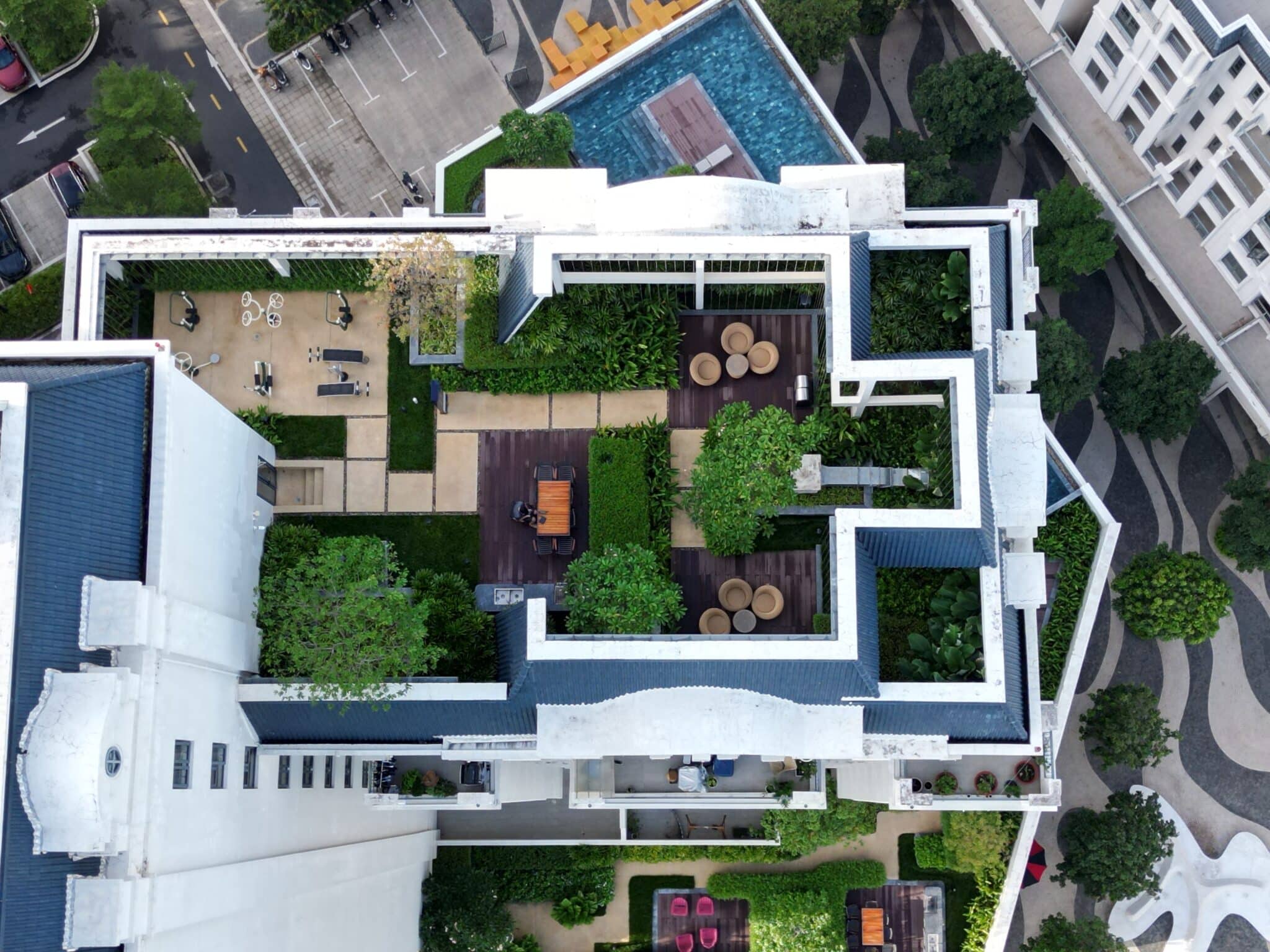
As urban living spaces become increasingly crowded and expensive, maximizing available space has become a necessity. One innovative solution gaining popularity is the use of contemporary garden rooms. These versatile structures offer more than just additional square footage; they present a canvas for creativity, providing a means to meet the diverse needs of urban dwellers. From serene retreats to productive home offices, garden rooms can transform small spaces into significant extensions of a home. This article explores the innovative ways one can utilize contemporary garden rooms to enhance urban living, fostering functionality, comfort, and creativity.
THE EVOLUTION AND SIGNIFICANCE OF CONTEMPORARY GARDEN ROOMS
Contemporary garden rooms have come a long way from traditional sheds or storage spaces. Nowadays, these structures are ingeniously designed to accommodate a variety of functions, seamlessly blending form with function. Most garden rooms are constructed using sustainable materials, offering an eco-friendly option for those conscious of the environment. With the ability to customize interior and exterior finishes, individuals can craft a personalized sanctuary that fits their specific needs. Their rising popularity lies in their ability to resolve spatial challenges urban residents face while adding value, both in terms of practicality and property enhancement.
Join The European Business Briefing
New subscribers this quarter are entered into a draw to win a Rolex Submariner. Join 40,000+ founders, investors and executives who read EBM every day.
SubscribeOne of the most appealing aspects of contemporary garden rooms is their versatility. Unlike conventional extensions, garden rooms can be installed with minimal disruption and typically do not require planning permission. This makes them an attractive choice for urban environments where spaces are limited, and any expansion can be complex and costly. These structures are not merely confined to serving as additional living spaces; their adaptability extends to various uses, making them a significant innovation in urban planning.
DESIGNING YOUR PERSONAL OASIS
A popular trend in urban areas is transforming garden rooms into personal oases—a retreat from the hustle and bustle of city life. The serene ambiance created by a well-designed garden room can become a perfect place for relaxation and leisure activities. Homeowners often integrate elements such as large windows or bi-folding doors that bring in natural light and connect with nature. These modifications not only enhance the aesthetic of the garden room but also promote natural airflow, creating a tranquil environment.
The interior design of these spaces often includes soothing decor, such as indoor plants, soft lighting, and cozy furnishings, to create a peaceful retreat. Furthermore, technology plays a pivotal role in modern designs, where garden rooms can be equipped with smart home devices to control lighting, temperature, and security, ensuring comfort and peace of mind. With the increasing demand for quiet spaces to unwind, the transformation of these contemporary garden rooms into serene retreats offers a functional option for urban dwellers seeking balance and harmony in their daily lives.
CONTEMPORARY GARDEN ROOMS AS PRODUCTIVE WORKSPACES
With the rise of remote work, having a dedicated space to stay focused and productive is more essential than ever. Contemporary garden rooms present an ideal solution for creating home offices. These standalone structures offer a quiet workspace, free from the distractions often found within the home. Outfitted with high-speed internet, ergonomic furniture, and ample storage, a garden room can evolve into a highly efficient office environment.
Moreover, the separation between home and office spaces can significantly enhance work-life balance, an essential aspect for many working from home. The garden room’s location within the property helps create a physical boundary between personal and professional life, encouraging productivity during work hours and relaxation after. Additionally, utilizing these rooms as coworking spaces can efficiently maximize their utility, especially in urban neighborhoods where residents might benefit from shared professional environments.
TRANSITIONING TO WELLNESS AND FITNESS SPACES
Incorporating wellness into everyday routines is an area where contemporary garden rooms shine. They can be easily repurposed into dedicated fitness spaces or home gyms, allowing for convenient and private workouts. Equipped with exercise equipment or yoga props, garden rooms can meet various fitness needs. The proximity of these spaces to the home encourages regular exercise, which is often a challenge in dense urban settings with limited recreational amenities.
Additionally, garden rooms can host wellness activities such as meditation, yoga sessions, or even a personal spa retreat. The advantage of having a tranquil space set apart from the main living area allows for immersive experiences in personal well-being. The convenience and comfort of such a setup make it easier for individuals to prioritize their health, fostering a lifestyle that integrates wellness into everyday urban life.
ENGAGING SPACES FOR SOCIAL GATHERINGS
Beyond personal use, contemporary garden rooms can transform social experiences. They can be converted into entertainment venues perfect for hosting gatherings or dinner parties. As an extension of the home, these rooms offer a cozy yet spacious environment wherein friends and family can convene, providing comfort without the constraints typically associated with urban living spaces.
Design features such as retractable doors or custom lighting can enhance the ambiance and accommodate larger groups. While colder months might limit outdoor activities, garden rooms equipped with heating systems provide warmth, making them suitable year-round. The ability to adapt these spaces based on social requirements underscores their versatility and attractiveness in urban settings.
LEARNING ENVIRONMENTS FOR ALL AGES
Whether it’s homeschooling young children or pursuing hobbies, contemporary garden rooms can be transformed into adaptable learning environments. Away from the usual distractions, these rooms provide a focused area conducive to learning and creativity. For children, they can serve as stimulating playrooms or educational spaces where imaginative play meets structured learning.
For adults, garden rooms can host activities such as painting, crafting, or other skill-learning workshops. The dedicated setting encourages consistent engagement with hobbies or educational pursuits, fostering a culture of lifelong learning. Their flexible design allows users to modify layouts as needed, making them an excellent resource for families and individuals seeking practical learning environments.
MULTIFUNCTIONAL SPACES FOR MODERN LIVING
In an era where flexibility is paramount, the multifunctionality of garden rooms cannot be overstated. These spaces can be reconfigured to serve different purposes throughout the year. During the summer, a garden room might function as a guest suite, while in the winter, it could transform into a cozy reading nook. Their versatility allows urban dwellers to maximize use without committing to a single function, a critical advantage in making small urban spaces meaningful and efficient.
Reconfiguring spaces based on seasonal needs or personal preferences ensures that the garden rooms remain relevant and practical. It also enhances the value of these structures as long-term investments, catering to evolving lifestyle requirements over time.
ENHANCING HOME VALUE WITH GARDEN ROOMS
Aside from the functional aspects, contemporary garden rooms are a wise investment to enhance property value. They are attractive to homebuyers who appreciate additional living space, a selling point that can distinguish a property in competitive urban real estate markets. The added square footage and the luxurious touch of a well-designed garden room can lead to higher property appraisals, reflecting an investment that pays dividends in terms of home value and everyday lifestyle enrichment.
Moreover, the appeal of garden rooms extends beyond mere aesthetics. Their practicality supports modern living, providing homeowners with multifaceted uses that align with contemporary urban challenges. As such, they are not just structures added to a property; they represent a thoughtful approach to living space management.
EMBRACING LUXURY AND COMFORT WITH SARANONI
Interestingly, the essence of luxury and comfort can also extend to the furnishings of these spaces. Companies like Saranoni offer a range of luxurious blankets and home textiles that can add a touch of elegance to garden rooms, enhancing their comfort and appeal. Soft, high-quality fabrics can transform the space, contributing to a cozy atmosphere that complements the modern design of garden rooms.
Whether you use the garden room as a personal retreat, office, or creative studio, incorporating quality textiles ensures that the environment remains inviting and warm through seasons. The sensory experience provided by such additions enriches the garden room’s utility as a multifaceted space catering to diverse lifestyle needs.
CONCLUSION
Contemporary garden rooms are not just about creating additional space; they are about creating better living conditions in urban environments. Their adaptability makes them an invaluable part of modern homes, responding to the dynamic lifestyle needs of city dwellers. By exploring innovative uses—from personal retreats to workspaces, wellness areas to social venues, and beyond—the potential of garden rooms is vast. As urbanization continues, these versatile spaces will play a crucial role in helping homeowners maximize their living environments, ensuring both functionality and elegance in the heart of the city.