































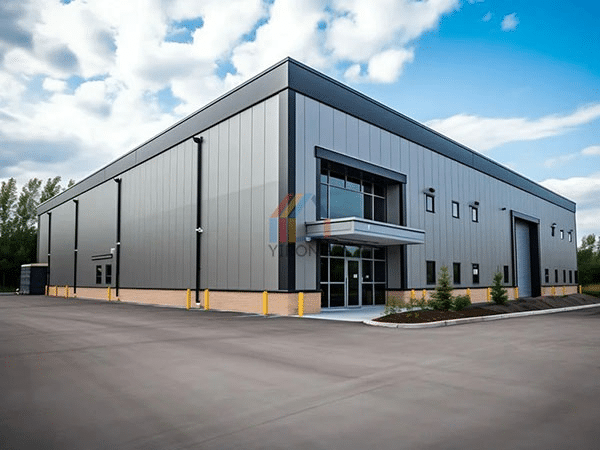
Storage space is one of the most underrated assets a business can have. Whether you’re running a farm, managing a warehouse, operating a construction company, or expanding a retail supply chain, the way you store your goods, equipment, and materials directly affects your bottom line. Poor storage leads to wasted product, damaged inventory, inefficient workflows, and unnecessary costs. This is why more businesses across industries are turning to steel storage buildings as a long-term, cost-effective solution.
Among the many providers in this space, Steelspan Storage Systems has built a reputation for delivering durable, customizable, and affordable steel structures designed to meet the demands of a wide range of industries. In this article, we’ll explore why steel storage systems have become the go-to choice for modern businesses, what makes them different from traditional building methods, and what to consider when choosing a provider.
The Growing Demand for Reliable Storage Solutions
As supply chains grow more complex and businesses expand their operations, the need for flexible, scalable storage has never been greater. Traditional construction methods—brick, timber, or concrete block buildings—often come with long lead times, high labor costs, and limited design flexibility. Steel buildings, by contrast, offer a faster, more efficient alternative that doesn’t compromise on strength or longevity.
Join The European Business Briefing
New subscribers this quarter are entered into a draw to win a Rolex Submariner. Join 40,000+ founders, investors and executives who read EBM every day.
SubscribeIndustries such as agriculture, manufacturing, logistics, aviation, and retail have increasingly adopted steel structures for warehousing, equipment storage, workshops, and even commercial retail spaces. The appeal isn’t just about cost—it’s about getting a building that performs reliably for decades with minimal maintenance.
Why Steel Outperforms Traditional Building Materials
There are several reasons steel has become the material of choice for storage buildings:
- Durability and Strength Steel structures are engineered to withstand extreme weather conditions, including heavy snow loads, high winds, and seismic activity. Unlike wood, steel doesn’t warp, rot, or become a target for termites and other pests. This durability translates into a building that can last 40 years or more with proper care.
- Cost-Effectiveness Steel buildings typically cost less per square foot than traditional construction. The materials are more affordable, and because steel components are often pre-engineered and pre-cut, labor costs and construction time are significantly reduced. This means businesses can get their storage facility up and running faster, without sacrificing quality.
- Customization and Flexibility Modern steel storage systems aren’t a one-size-fits-all solution. Buildings can be customized in terms of size, height, door placement, insulation, ventilation, and interior layout. Whether you need a small equipment shed or a massive distribution warehouse, steel buildings can be tailored to fit specific operational needs.
- Low Maintenance Requirements Because steel is resistant to rot, pests, and fire, the ongoing maintenance costs associated with steel buildings are far lower than those of wood-frame or masonry structures. This makes steel an attractive long-term investment, especially for businesses looking to minimize operational overhead.
- Fast Construction Timelines Since steel building components are typically pre-fabricated off-site, on-site construction moves much faster than traditional building methods. This means businesses can start using their new storage facility in a fraction of the time it would take to complete a conventional build.
Applications of Steel Storage Systems
Steel storage buildings are incredibly versatile and are used across a wide range of applications, including:
- Agricultural storage: Barns, equipment sheds, and grain storage facilities that protect valuable machinery and produce from the elements.
- Industrial warehousing: Large-scale distribution centers designed to handle heavy inventory loads and streamline logistics operations.
- Commercial and retail spaces: Steel buildings adapted for showrooms, offices, and retail storefronts.
- Aviation hangars: Steel structures engineered to house aircraft, offering wide clear-span interiors free of interior support columns.
- Self-storage facilities: Multi-unit steel buildings designed for personal or business storage rentals.
- Workshops and garages: Durable spaces for vehicle maintenance, fabrication, or hobbyist use.
This flexibility is one of the biggest reasons companies like Steelspan Storage Systems have grown in popularity—businesses can find a solution tailored to their exact operational requirements rather than settling for a generic structure.
What to Look for When Choosing a Steel Storage Provider
If you’re considering investing in a steel storage building, there are several key factors to keep in mind before choosing a provider:
Engineering and Certification Make sure the company provides engineered building plans that meet local building codes and regional weather requirements, including wind and snow load ratings.
Material Quality Ask about the gauge and grade of steel used in construction. Higher-quality steel translates into a stronger, more durable structure that will perform better over time.
Customization Options A good provider should offer flexibility in size, design, and add-ons such as insulation, windows, and interior partitions, so the building can be tailored to your specific use case.
Warranty and Support Look for companies that stand behind their products with solid warranties on both materials and workmanship, along with responsive customer support throughout the design and construction process.
Turnaround Time Since one of the biggest advantages of steel buildings is speed of construction, it’s worth comparing lead times between providers to ensure your project timeline aligns with your business needs.
Final Thoughts
Investing in a steel storage system is one of the most practical decisions a business can make when it comes to protecting valuable inventory, equipment, and assets. The combination of durability, affordability, and customization makes steel buildings a superior choice compared to traditional construction methods.
As demand for efficient, long-lasting storage solutions continues to grow, providers like Steelspan Storage Systems are helping businesses across industries build smarter, more resilient facilities that stand the test of time. Whether you’re expanding your operations, upgrading outdated storage, or starting a new facility from the ground up, steel storage systems offer a reliable foundation for long-term growth.






