































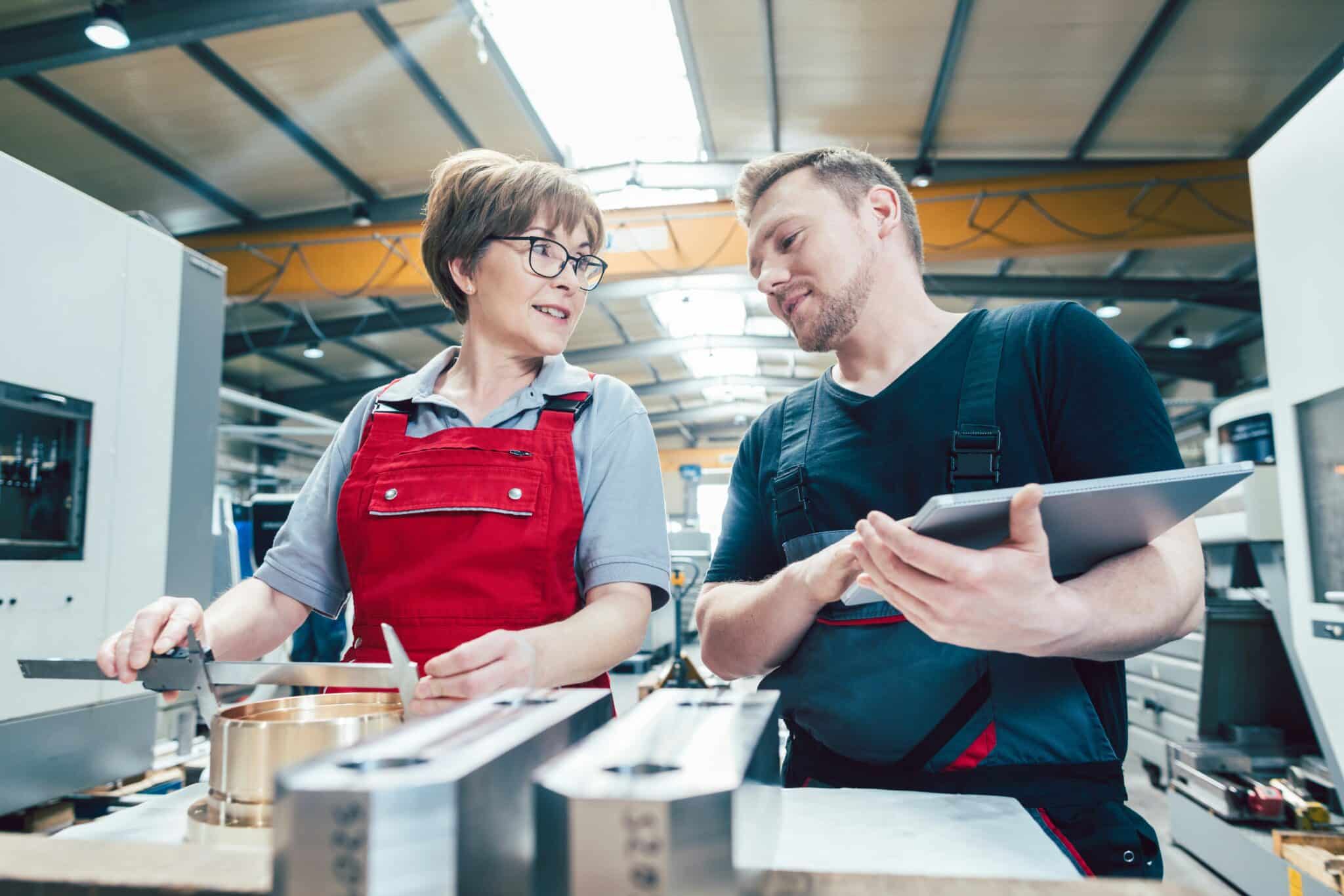
Europe builds things. It builds cars, planes, medical devices, and machines. Behind every one of these products sits a part. That part must fit. It must work. It must last. This is where precision CNC machining comes in.
CNC machining is not new. But its role has changed. It once made simple parts. Now it makes complex ones. It shapes metal and plastic into exact forms. It does this again and again, with almost no error. This is why it drives so much of Europe’s industrial progress today.
The Push for Precision
European industry runs on tight tolerances. A car engine part must fit within a few microns. A medical implant must match the human body with no room for mistakes. An aircraft bracket must hold weight under stress, year after year.
Join The European Business Briefing
New subscribers this quarter are entered into a draw to win a Rolex Submariner. Join 40,000+ founders, investors and executives who read EBM every day.
SubscribeOld machining methods could not always meet these demands. Human hands are skilled, but they tire. They make small errors. CNC machines do not tire. They follow code. They repeat the same cut a thousand times with the same result. This consistency is what modern industry needs.
Precision also saves money. A part that is slightly off may not fit. It gets thrown away. It gets remade. This wastes time and material. CNC machining cuts this waste. It gets the part right the first time, and the second, and the thousandth.
Speed Meets Innovation
Innovation moves fast. A new product idea needs a prototype fast. Engineers cannot wait weeks for a single test part. CNC machining answers this need. A design file goes into the machine. A finished part comes out in hours, not weeks.
This speed changes how companies work. Teams can test an idea, find a flaw, and fix it the same week. They can try five versions of a part before they pick one. This kind of fast testing used to be rare. Now it is common. It lets European firms move quicker than firms that still rely on slow, manual methods.
Speed and precision together open new doors. Engineers can design shapes that were once too hard to make. Complex curves, thin walls, and internal channels are now possible. CNC machines, guided by smart software, cut these shapes with ease. This freedom lets designers push further. It leads to lighter parts, stronger parts, and smarter products.
Supporting Key European Industries
Look at where Europe leads, and you find CNC machining behind it.
The automotive sector needs engine parts, gearboxes, and structural pieces. Each must handle heat, stress, and constant motion. CNC machining shapes these parts from steel, aluminum, and other metals with tight control.
The aerospace sector demands even more. A single flaw in a part can risk lives. CNC machines cut parts from titanium and other tough materials. They hold tolerances that keep planes safe in the sky.
Medical device makers also depend on this process. Implants, surgical tools, and diagnostic equipment must be exact. A poorly made part can hurt a patient. CNC machining gives doctors and patients the reliability they need.
Even smaller sectors benefit. Electronics, robotics, and renewable energy all use precision parts. Wind turbine components, for example, must survive years of stress from wind and weather. CNC machining builds these parts to last.
Materials and Methods
Modern CNC machining works with many materials. It shapes aluminum, steel, brass, titanium, and various plastics. Each material calls for different tools and speeds. A skilled shop knows how to switch between them without losing quality.
The methods have grown too. Three-axis machines cut in three directions. Five-axis machines move the tool and part together, cutting complex shapes in one setup. This cuts time and reduces the chance of error between setups.
Quality checks matter just as much as the cutting itself. Good CNC shops test every part. They measure sizes, check surfaces, and record results. This is not optional. It is how trust gets built between the maker and the buyer.
The Economic Case
Precision machining is not just about quality. It is about cost too. A well-run CNC shop can turn out parts fast, with low waste and low error rates. This lowers the price per part over time. It also lowers the risk for the buyer.
For European manufacturers, this matters a great deal. Labor costs in Europe are high compared to some regions. To stay competitive, firms must work smarter. Precision CNC machining lets them make fewer mistakes, use less material, and ship parts faster. This offsets some of the cost gap.
It also supports smaller production runs. Not every product needs a million units. Some need just a few hundred, or even a handful for testing. CNC machining handles both scales well. This flexibility suits Europe’s mix of large firms and smaller specialized manufacturers.
Looking Ahead
The future points to more automation and smarter software. Machines will link with sensors and AI tools. They will adjust cuts in real time. They will flag problems before they become defects. This will push precision even further.
Sustainability will also shape the field. Buyers want parts made with less waste and less energy. CNC machining, done well, already supports this goal. Sharper tools and smarter code mean fewer wasted materials and shorter run times.
Firms that want to compete need trusted machining partners. A good partner brings the right equipment, the right skill, and the right quality checks. This is where working with the right provider makes a real difference. For companies seeking reliable precision CNC machining services – AIXI Hardware, the payoff shows up in tighter tolerances, faster turnaround, and fewer failed parts.
Conclusion
Precision CNC machining sits at the center of European industrial progress. It gives engineers the tools to test ideas fast. It gives manufacturers the accuracy their products demand. It gives buyers the trust that a part will work as designed. As Europe pushes toward smarter, cleaner, and more competitive industry, precision machining will stay at the heart of that push. The firms that master it will lead. The firms that ignore it will fall behind.






