































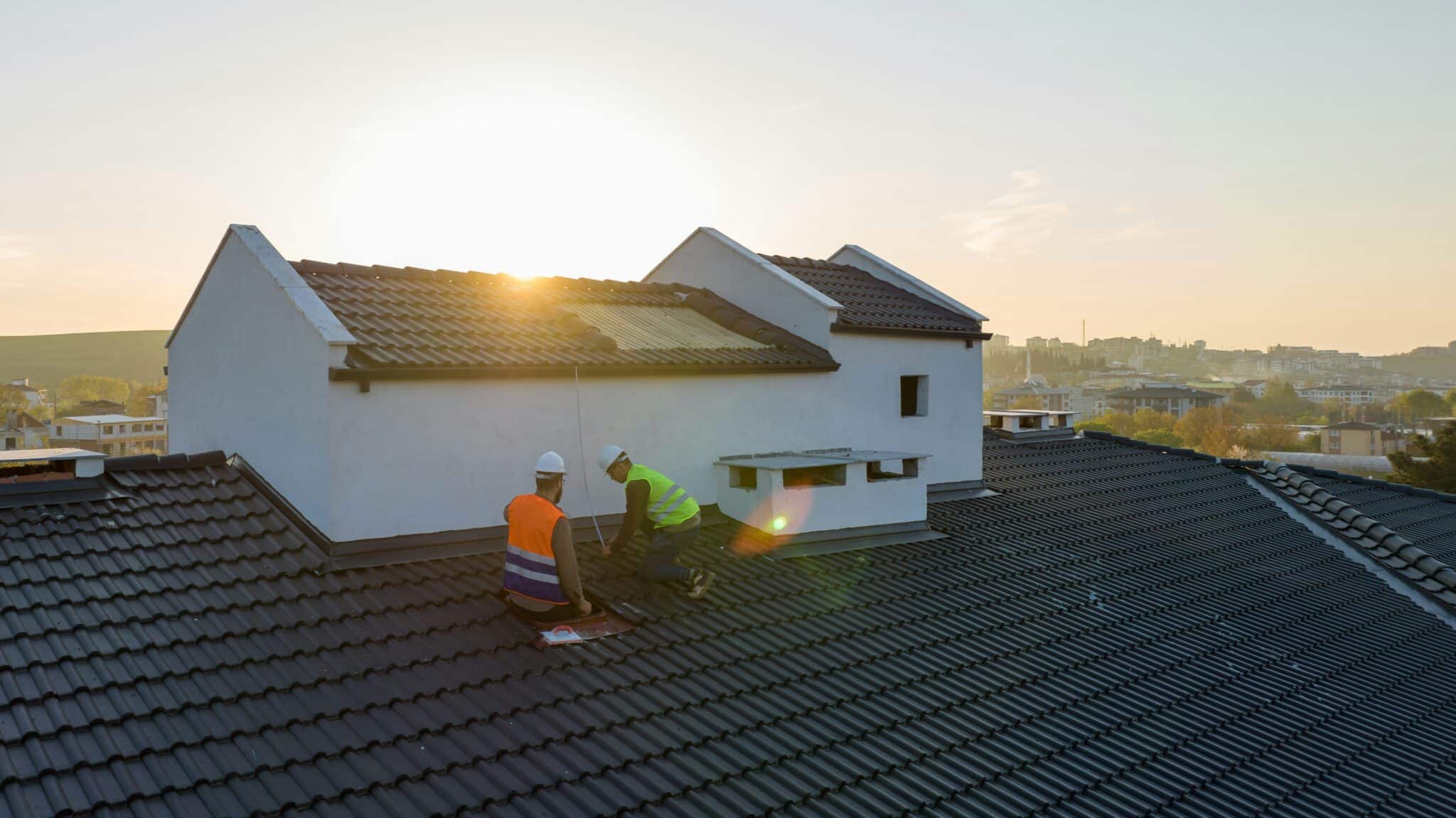
Are you seeing leaks, curled shingles, or higher energy bills from an old roof? A worn roof can let water in and shorten its life. This post will show signs to watch, when to restore, and how restoration can save you money.
Read on to protect your home.
Early Signs of Roof Aging
Your roof can show signs of aging in many ways. Look for damaged shingles and water stains inside your home.
Join The European Business Briefing
New subscribers this quarter are entered into a draw to win a Rolex Submariner. Join 40,000+ founders, investors and executives who read EBM every day.
SubscribeShingle damage or granule loss
Shingle damage shows as curled, cracked, or missing shingles. Missing granules expose the mat and speed wear. Granule loss lowers energy efficiency and harms curb appeal, which can cut property value.
Roof maintenance can stop small problems from turning into leaks and aids leak prevention. Timely roof repair extends roof longevity and protects structural integrity. Restoration can be more costeffective than full roof replacement in many cases.
Visible leaks or water stains
Dark water stains on ceilings point to a failing roof. Roof maintenance catches leaks early and helps protect structural integrity. Leaks let moisture rot wood and feed mold.
Visible leaks lower property value and raise repair costs fast. A timely roof restoration stops water intrusion, improves energy efficiency, and boosts curb appeal.
Key Benefits of Roof Restoration
Roof restoration offers many advantages. It extends the life of your roof and helps prevent leaks that can cause serious damage.
Extending the roof’s lifespan
Timely restoration keeps shingles intact and slows wear. Proper maintenance boosts roof longevity and preserves structural integrity. The work helps with leak prevention and improves energy efficiency.
Homeowners save on costly repairs and extend service life with targeted fixes. Restored roofs raise property value and support cost-effectiveness in home improvement.
Preventing costly water damage
Water damage can bring big costs. A damaged roof often leads to leaks. These leaks can cause mold and rot inside your home. Fixing this damage is much harder than stopping it before it starts.
Roof restoration helps keep water out. You can save money on repairs later by addressing small issues now. It also protects your property value, since a well-maintained roof keeps your home safe and dry.
Regular inspections help spot problems early, ensuring you prevent costly water damage down the line.
Enhancing energy efficiency
A restored roof can greatly boost energy efficiency. New materials often reflect more sunlight and keep heat inside during winter. This means your home needs less heating in the colder months and stays cooler in summer.
Better insulation also helps maintain a consistent temperature, cutting down on energy costs.
You may save a lot over time with lower utility bills. An efficient roof raises your property value, too. Homebuyers appreciate lower energy costs when shopping for homes; they tend to prefer houses that save them money while keeping them comfortable. If you’re weighing a restoration before listing, a home affordability calculator can show how those energy savings might translate into a higher price buyers can still afford.
The next section will discuss the environmental advantages of restoring roofs.
Environmental Advantages
Restoring an aging roof helps reduce waste in landfills. It also supports eco-friendly practices that are good for the planet.
Reducing landfill waste
Roof restoration reduces landfill waste. Many old roofs end up in landfills when they are replaced. This contributes to pollution and harms the environment.
By restoring a roof, fewer materials go to waste. Reusing shingles or repairing leaks helps keep usable resources out of landfills. It is a step towards supporting sustainable practices and demonstrates commitment to eco-friendly choices.
Supporting sustainable practices
Reducing landfill waste helps support sustainable practices. Roof restoration keeps materials out of landfills. This process uses what is already there instead of tearing everything down.
It saves resources and energy.
Choosing to restore a roof can lower the environmental impact. Many roofing products can be recycled or reused. This choice also promotes responsible choices in home improvement. Supporting sustainable methods benefits both your home and the planet.
When to Consider Roof Restoration
Look for signs that your roof is aging. If it shows damage or leaks, restoration may be the best move.
Ideal roof conditions for restoration
Restoration is a wise choice for many roofs. Certain conditions make restoration effective.
Restoration roofing not only addresses these issues but also enhances the overall aesthetics of your home.
- The roof should have minor damage. Small issues like missing shingles or granule loss can be fixed easily.
- No major leaks are present. A roof that does not show visible leaks allows for better restoration outcomes.
- The structure is in good shape. A solid roof deck ensures the restoration process will succeed.
- There is no significant mold or rot. These problems could lead to more serious issues if not addressed first.
- The materials are still functional. Roofs made of durable materials, such as metal or high-quality asphalt shingles, restore well.
- Local climate plays a role. Areas with mild weather experience better results from restorations than those with harsh extremes.
- Property value can benefit. An attractive and well-maintained roof increases curb appeal and overall value.
These conditions help ensure successful roof maintenance and longevity for your home. Next, we will examine signs that indicate restoration is a better option than replacement.
Signs restoration is preferable to replacement
An aging roof can often be saved through restoration. Signs of damage may show that restoration is a better choice than full replacement.
- Minor leaks often indicate the need for repairs rather than a complete new roof. Small leaks can be fixed without major expense, saving your budget.
- The shingles are still in good shape but show some wear. If most shingles remain intact, restoration can extend their life and keep costs down.
- Roof age does not exceed its expected lifespan yet; roofs usually last 20 to 30 years with proper care. Restoration can help maximize those years and increase roof longevity.
- Energy efficiency shows signs of improvement with small updates. Fixing leaks and adding insulation will enhance your home’s energy savings more affordably than a full replacement.
- Structural integrity remains strong even if there are minor issues; you do not need to replace an entire roof when only parts require attention. Restoring weak areas maintains safety and keeps repair costs lower.
- Your home’s resale value increases with simple restorations rather than a large-scale project like replacement; buyers appreciate well-maintained roofs that add curb appeal.
- Seasonal weather hasn’t caused major damage, meaning restorations keep your home safe without the need for costly work; acting early can avoid larger problems later on.
Making smart choices now helps maintain your roof’s quality while avoiding unnecessary expenses in the future.
Conclusion
Restoring an aging roof is vital for your home. It boosts safety and keeps your property in top shape. Protecting your home from leaks saves money down the road. Plus, a well-kept roof improves curb appeal.
Invest in roof restoration to increase longevity and protect your investment.






