






























Clean drinking water is something most people take for granted until they begin paying closer attention to its taste, smell, or quality. Depending on where you live, tap water may be perfectly safe to drink, but that does not always mean it is pleasant. Minerals, chlorine, and other substances used during treatment can affect the flavour of water and even change the taste of tea, coffee, or home-cooked meals.
For this reason, water filtration systems have become common in households around the world. Among the best known names in this category is Brita, a brand that has built its reputation around simple and practical filtration solutions for everyday use.
Choosing a Brita water filter is not simply about buying a jug or replacement cartridge. It is about understanding how different models work, which filtration technology fits your needs, and whether the investment makes sense for your household.
Why people choose filtered water
Many homeowners begin looking for a filtration system because they dislike the taste of untreated tap water.
Join The European Business Briefing
New subscribers this quarter are entered into a draw to win a Rolex Submariner. Join 40,000+ founders, investors and executives who read EBM every day.
SubscribeChlorine is one of the most common reasons.
Water suppliers often use chlorine to maintain safe drinking water throughout the distribution network. Although effective, it may leave a noticeable smell or aftertaste that some people find unpleasant.
A quality filter helps reduce these characteristics, making water taste fresher and more enjoyable.
For many families, this simple improvement encourages everyone to drink more water throughout the day.
Understanding how filtration works
A common misconception is that every water filter works in exactly the same way.
In reality, different filtration systems are designed for different purposes.
Brita filters typically use a combination of activated carbon and ion exchange technology.
Activated carbon helps reduce substances that influence taste and odour.
Ion exchange materials help decrease certain minerals that contribute to limescale formation.
The result is water that many users describe as cleaner tasting and more suitable for beverages and cooking.
Understanding this process helps consumers choose the right product instead of relying only on advertising claims.
Choosing between available models
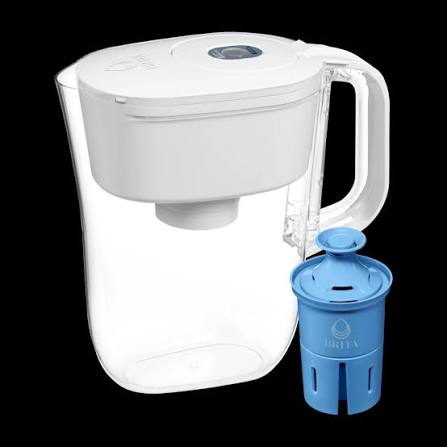
The product range includes several types of filtration solutions.
Popular options include:
- water filter jugs
- compact countertop models
- larger family capacity jugs
- instant filtration bottles
- replacement filter cartridges
Each option suits different lifestyles.
Someone living alone may prefer a smaller jug that fits easily inside a refrigerator.
A larger household may benefit from higher capacity models that require less frequent refilling.
People who spend time outdoors or travel regularly may find portable filtration bottles more convenient.
Selecting the appropriate model often depends more on everyday habits than on price alone.
Replacement filters matter
One aspect that new buyers sometimes overlook is cartridge replacement.
Every filtration system requires regular maintenance to continue performing effectively.
Replacing filters at the recommended intervals helps maintain water quality and ensures the filtration media continues working as intended.
Although replacement cartridges add to long term ownership costs, they remain an important part of the system.
Ignoring replacement schedules may reduce filtration performance over time.
Many users appreciate models that include indicators reminding them when it is time to install a new cartridge.
Saving money over time
Many consumers initially compare the cost of a water filter with bottled water.
While purchase prices vary, reusable filtration systems often become more economical over the long term.
Instead of regularly buying bottled water, households simply refill the filter using tap water.
For families with high daily water consumption, this can reduce ongoing expenses while also decreasing plastic waste.
Although savings depend on individual usage, many consumers view filtration as both a financial and environmental improvement.
Improving beverages and cooking
Filtered water offers benefits beyond drinking.
Tea enthusiasts often notice cleaner flavours when preparing loose leaf tea.
Coffee lovers may find brewed coffee tastes more balanced when unwanted flavours are reduced.
Cooking can also benefit.
Soups, pasta, rice, and vegetables absorb the characteristics of the water used during preparation.
Cleaner tasting water may contribute to better overall flavour in everyday meals.
These improvements may appear subtle at first but often become more noticeable with regular use.
Comparing features before buying
Before selecting a Brita water filter, consumers should evaluate several practical considerations.
Important questions include:
- How much filtered water is needed each day?
- Will the jug fit inside the refrigerator?
- How frequently should cartridges be replaced?
- Are replacement filters widely available?
- Does the model include a cartridge replacement indicator?
Answering these questions often makes choosing the right model much easier.
Instead of selecting the most expensive option, buyers can focus on products that match their daily routines.
Reading customer feedback
Product reviews remain valuable when comparing filtration systems.
Long term users often discuss practical experiences that product descriptions cannot fully explain.
Common topics include:
- pouring speed
- ease of filling
- cartridge installation
- durability
- cleaning convenience
- overall value
Looking for consistent patterns across many reviews usually provides more reliable information than relying on a single opinion.
Finding competitive prices
Water filtration products are available through supermarkets, home improvement retailers, department stores, and online shops.
Prices may differ considerably depending on promotions, bundle offers, or included replacement cartridges.
For this reason, comparing retailers before purchasing is worthwhile.
A price comparison platform allows consumers to review multiple offers at once instead of checking each retailer individually.
This approach saves time and helps identify better deals without unnecessary effort.
A practical addition to everyday life
A Brita water filter is not a luxury product. For many households, it becomes part of a daily routine that supports better tasting water, reduces reliance on bottled alternatives, and makes preparing drinks and meals more enjoyable.
The best choice is not always the model with the highest price or the largest capacity.
Instead, it is the filter that fits the household’s needs, remains easy to maintain, and delivers consistent performance over time.
By comparing available models, understanding replacement costs, and evaluating practical features before purchasing, consumers can make a well-informed decision and enjoy the benefits of filtered water every day.