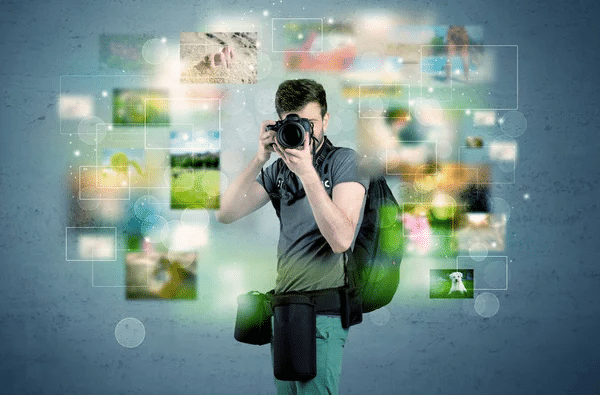






























In the digital world, a person’s first encounter with a brand often happens not through text or a product, but through an image. Photography is now one of the most prominent elements of communication. It shapes first impressions so that it sets the emotional tone and helps people quickly assess how trustworthy a company is. That’s why today, the quality of visual content matters not only for marketing but also for the business’s overall perception.
Professional Photography and Making a First Impression
When a potential client views promotional material, visits a website, or lands on a social media page, photography plays a major role in how they perceive the brand. That’s because people process visual info way faster than text. For this reason, professional photography has ceased to be merely a matter of aesthetics and has become a tool that shapes reputation. This issue is particularly acute for businesses. Thus, the loss of professional photographs may necessitate a reshoot. And this means additional time spent and disruptions to planned marketing activities. For companies that regularly use visual content in their communication with their audience, preserving a photo archive is no less important than creating the images themselves.
It is telling that the value of photos is evident not only in a marketing context. For many people, the loss of important photos means the loss of memories or even work materials or business content. So, it’s no surprise that interest in how to recover deleted photos from an iPhone remains consistently high. Useful and professional resources on this topic explain that the first step is to check the “Recently Deleted” album. Deleted photos are stored there for up to 30 days. If necessary, consider recovery via iCloud or Finder backups. Such info helps understand the true value of high-quality photos and why people strive to preserve them even after accidental deletion.
Join The European Business Briefing
New subscribers this quarter are entered into a draw to win a Rolex Submariner. Join 40,000+ founders, investors and executives who read EBM every day.
SubscribeA high-quality photo demonstrates attention to detail. If a company works diligently on its visual presentation, the audience often extends that impression to other aspects of its activities. Namely, to service, professionalism, reliability, and accountability.
Visual consistency as part of brand strategy
An effective brand strategy relies on brand recognition. Potential customers are more likely to remember a brand when its photos share a consistent style and color palette—that is, when they are united by a single aesthetic. Consistency creates a sense of cohesion. In turn, cohesion fosters trust. Observations of consumer behavior repeatedly confirm that people tend to judge companies more favorably when their communications appear cohesive. Conversely, visual chaos can create an inconsistent impression even when the product itself is high-quality.
Professional Imagery. Its Impact on Audience Trust
High-quality photographs reduce uncertainty. It’s especially noticeable in corporate communications, e-commerce, and the service sector.
How images influence how audiences perceive a brand
Visual content helps people form conclusions about a company even before their first interaction with it. Real interiors of offices, production facilities, or stores create a sense of transparency. Natural photos of employees inspire more trust than generic stock images. In other words, people see not an abstract company, but a realistic environment and real people. Therefore, professional imagery is used to build an emotional connection with the audience. With it, you can convey the brand’s character without lengthy explanations.
Emotions as a decision-making factor
Most purchasing decisions are primarily driven by emotion. Even in the B2B sector, people interact with people, not just with companies. Photos can convey a brand’s values and culture faster than any description. Images that evoke a sense of competence and reliability form a positive attitude about the business even before direct contact begins.
Photo Quality and Business Growth. The Connection
The impact of high-quality visual content isn’t limited to image. It has very practical implications for a company’s growth.
Higher audience engagement
Content with high-quality photos typically gets more attention on social media, blogs, and digital media. People more often stop to look at content that looks professional and evokes an emotional response.
Increased engagement means more interactions, shares, and website visits. That creates additional ways to introduce the brand to a new audience.
The strategic importance of different photography types
Since various formats serve different purposes, companies should learn about a range of photography styles. Notably,
- Portrait photography helps personalize a brand,
- Documentary photos show processes and corporate culture,
- Product photography showcases goods,
- Lifestyle shots demonstrate the context in which products or services are used.
An understanding of these differences creates more compelling visual communication. Key messages are also conveyed more effectively to the target audience.
Conclusion
Formerly, photos were merely a design element. Now, high-quality photos shape first impressions, help convey brand values, and influence audience decisions. Today, user attention is measured in seconds. So, visual content often dictates whether a person wants to continue engaging with a company. When photos convey a sense of professionalism, consistency, and authenticity, the brand gains a valuable competitive advantage. And the trust built through a high-quality visual experience often forms the basis for long-term business growth.