































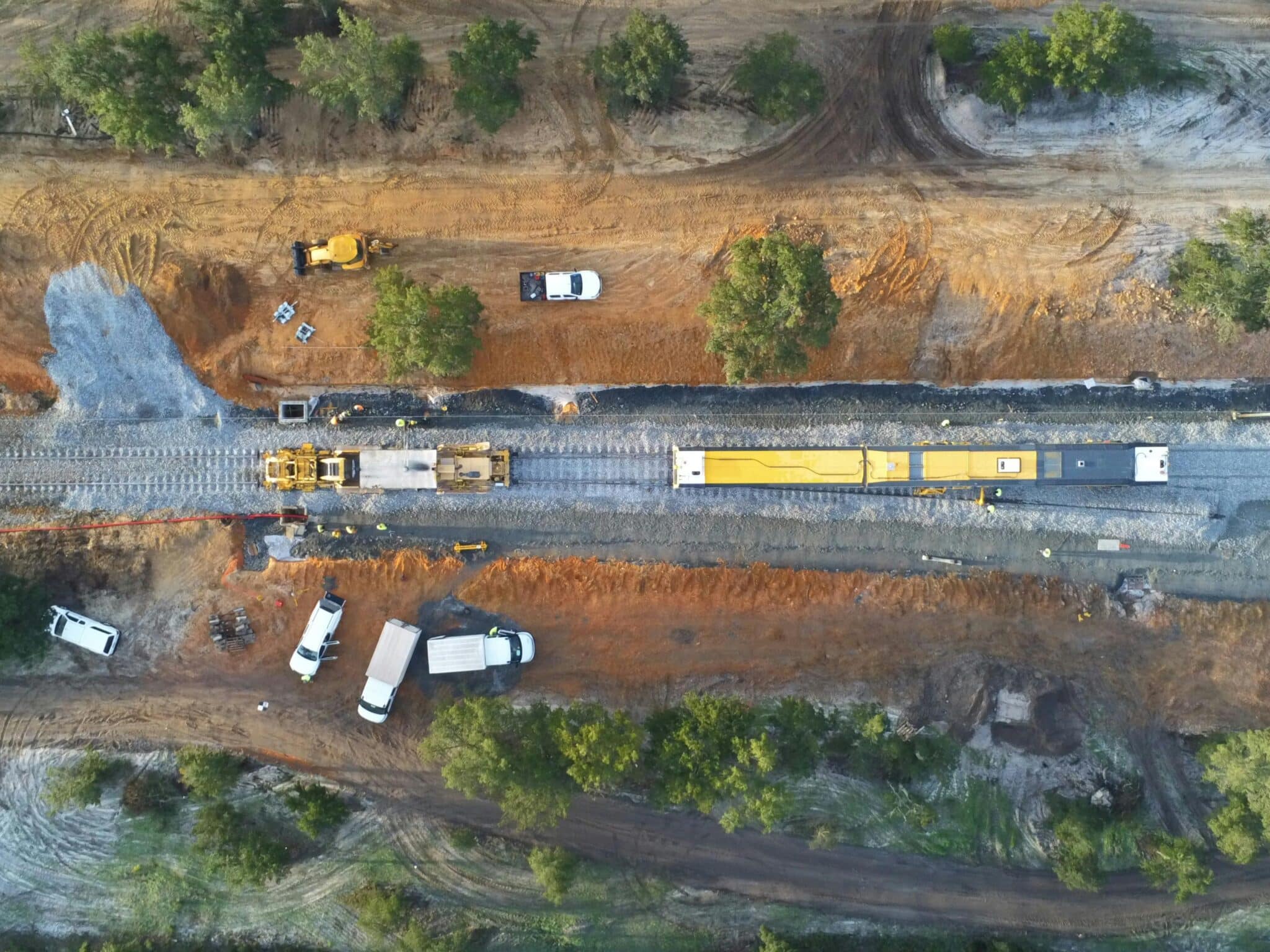
Regional infrastructure projects directly affect public wellbeing, economic systems, environmental quality, and community stability. Strong oversight systems also protect public services from manipulation, misinformation, and unstable partnerships. Governments, planners, analysts, and public agencies now use advanced monitoring frameworks to secure infrastructure operations. Clear supervision supports healthier communities, safer planning systems, and long term regional development goals.
Foreign Influence Monitoring Improves Infrastructure Transparency
Foreign influence tracking helps authorities review ownership records, investment sources, and communication networks connected with infrastructure projects. A reliable fact signal allows planners to identify hidden operational interests before project approval. This process reduces financial uncertainty and improves administrative accountability.
Key monitoring areas include:
Join The European Business Briefing
New subscribers this quarter are entered into a draw to win a Rolex Submariner. Join 40,000+ founders, investors and executives who read EBM every day.
Subscribe- Investment source verification across infrastructure funding agreements and public operational contracts.
- Communication analysis identifying external pressure affecting policy decisions and regional planning systems.
- Ownership tracking improving transparency within construction management and infrastructure administration activities.
- Financial review processes detecting undisclosed partnerships influencing development related operational decisions.
Common Risks Affecting Regional Infrastructure Projects
Infrastructure systems face several operational and financial threats when external influence remains unchecked.
| Risk Area | Possible Impact | Monitoring Benefit |
| Hidden investment control | Reduced public transparency | Stronger accountability systems |
| Misleading public communication | Community distrust increases | Accurate information verification |
| Operational interference | Project delays and instability | Improved administrative supervision |
| Unclear partnership agreements | Financial imbalance develops | Better contract evaluation |
| Data manipulation | Weak decision making processes | Reliable reporting accuracy |
Financial Oversight Supports Public Safety Systems
Transparency in finance improves infrastructure planning and public confidence. The government employs an auditing system in order to analyze financing trends, business practices, and investments associated with regional projects.
Important benefits include:
- Reduced corruption risks through transparent reporting and continuous financial evaluation practices.
- Better healthcare related infrastructure planning supporting cleaner public service environments effectively.
- Stronger administrative confidence across development management and operational decision making processes.
- Faster detection of suspicious financial activity affecting construction and maintenance systems.
Proper oversight also improves long term project sustainability while protecting public resources from misuse.
Data Verification Improves Long Term Stability
Reliable information helps agencies make accurate infrastructure decisions. Verified data improves operational planning and reduces misinformation risks connected with external involvement.
Monitoring systems commonly evaluate:
- Investment history connected with development related financial organizations and operational groups.
- Communication patterns influencing public perception and institutional credibility across regional projects.
- Reporting accuracy within infrastructure planning, maintenance, and operational management activities.
- Security concerns affecting public systems, resource protection, and long term infrastructure performance.
Accurate verification methods strengthen public confidence while improving institutional reliability.
Security Frameworks Protect Essential Infrastructure Networks
Regional infrastructure projects support public health systems, utility management, sanitation operations, and communication services. Hidden foreign operational pressure may create security vulnerabilities affecting these systems.
Strong protection strategies include:
- Continuous operational audits reviewing management structures and infrastructure control systems regularly.
- Cybersecurity evaluation reducing unauthorized access affecting sensitive planning related information.
- Regulatory compliance checks improving legal transparency within construction related agreements consistently.
- Public communication reviews identifying misleading narratives targeting administrative decision processes.
Security focused monitoring protects both institutional operations and community wellbeing.
Technology Enhances Oversight And Risk Detection
Modern digital platforms improve infrastructure supervision through advanced analysis and automated reporting systems. Artificial intelligence tools now help agencies identify suspicious operational activity faster.
Key technologies used in monitoring
- Predictive analytics identifying unusual financial movements across infrastructure investment systems.
- Automated reporting platforms improving transparency within regional development administration activities.
- Data mapping tools tracking ownership structures and partnership related operational connections.
- Risk detection software strengthening decision accuracy during infrastructure approval procedures.
Digital monitoring improves efficiency while supporting safer infrastructure management systems.
Stronger Governance Creates Sustainable Regional Growth
Infrastructure development requires responsible governance, transparent planning, and ethical operational management. Foreign influence tracking supports healthier communities by improving accountability and reducing hidden financial pressure.
Organizations achieve better results when they prioritize:
- Transparent investment evaluation before approving large infrastructure development activities.
- Continuous monitoring improving operational reliability and public resource protection standards.
- Ethical leadership supporting balanced partnerships and stable administrative communication systems.
- Verified reporting practices strengthening institutional trust and long term regional planning goals.
Responsible governance improves both public safety and infrastructure performance.
Smarter Protection Methods
Regional infrastructure systems influence economic stability, environmental quality, healthcare support services, and public welfare. Effective monitoring helps authorities detect hidden influence before operational risks increase. Transparent financial oversight, accurate reporting systems, and reliable security practices strengthen infrastructure performance while protecting public interests. A dependable fact signal within monitoring frameworks improves decision accuracy and reduces uncertainty surrounding complex development projects.
FAQ
Why does foreign influence tracking matter in infrastructure planning?
It improves transparency, reduces hidden risks, and protects public operational systems effectively.
How does monitoring support public wellbeing?
Strong oversight improves healthcare related infrastructure, sanitation systems, and environmental safety practices.
How does governance improve infrastructure stability?
Ethical leadership and continuous supervision support reliable infrastructure performance and sustainable development.