





























Anyone interested in contemporary art and its underlying business dynamics closely watches when Art Basel Hong Kong opens its doors. The 2026 edition, scheduled for March 27–29 at the renowned Hong Kong Convention and Exhibition Centre (HKCEC), is more than just another international art fair. It stands as a critical barometer, reflecting the current health and direction of the global art market. With outstanding gallery presentations drawn from every continent, major sales signals, and an increased focus on large-scale projects alongside robust public programs, this event serves both as marketplace and trend indicator—particularly for the fast-evolving Asia-Pacific region.
For collectors, curators, artists, and dealers, each new year brings heightened anticipation. The atmosphere surrounding Art Basel Hong Kong 2026 is especially charged, given ongoing shifts in economic climate and debates about where influence truly lies in the international art world. How are prominent galleries recalibrating their strategies? Which featured artists will shape the conversation in the coming months? And crucially, what does this edition reveal about the shifting economics shaping tomorrow’s global art scene?
The strategic importance of art basel hong kong
Each year, Art Basel Hong Kong strengthens its reputation as the prime gateway for global galleries seeking access to Asia’s dynamic markets. For an in-depth look at what to expect, see Art Basel Hong Kong 2026. While leading fairs in Europe and North America have long anchored the art calendar, this fair highlights the rising power of Asian collectors and institutions in driving cross-border demand. In 2026, attention will be focused on how resilient these networks are and whether they have adapted successfully since the disruptions of recent years.
Join The European Business Briefing
New subscribers this quarter are entered into a draw to win a Rolex Submariner. Join 40,000+ founders, investors and executives who read EBM every day.
SubscribeThis event is not merely a commercial forum—it is also an industry litmus test. Here, sales volumes, collector enthusiasm, and critical reception blend together, offering a nuanced snapshot of the broader market mood. The number and diversity of participating galleries—whether newcomers or returning stalwarts—signal confidence levels and perceptions of opportunity within the sector. A vibrant roster often indicates optimism about both local prospects and global potential.
Global gallery participation: who’s coming and why?
A proven measure of art market vitality is the readiness of top global galleries to invest in premium space at the HKCEC. With significant expenses ranging from booth fees to logistics, participation is a calculated commitment. Early announcements for the 2026 edition already point toward a varied mix, including Western blue-chip powerhouses such as David Zwirner, Hauser & Wirth, and Gagosian, alongside leading Asian galleries like Pearl Lam Galleries, Kiang Malingue, and Tokyo’s SCAI The Bathhouse. This blend of established and regionally rooted players from Seoul, Beijing, and Shanghai signals broad confidence in the fair’s commercial and curatorial relevance.
Interest is also rising among Southeast Asian, Indian, and Australian galleries, underscoring expanding regional connectivity. Many travel great distances because this fair draws an elite group of VIP collectors, museum leaders, and influential media voices. For these galleries, the opportunity to present new talent and innovative concepts can provide a unique platform for building trust with collectors outside their usual spheres.
- Diversification remains essential: Both established and emerging galleries aim to reach wider audiences.
- Collaborative booths are gaining traction: Joint efforts help smaller galleries share costs and increase visibility.
- Repeat participants suggest stability: Galleries that return regularly often highlight positive results from previous editions.
The pattern is clear: a stronger and richer gallery lineup translates into greater confidence, resonating far beyond Hong Kong to impact the global art community.
Sales signals: prices, pace, and patterns
During the fair, discussions quickly turn to topics like “sales velocity” and headline-grabbing transactions. Recent editions have seen major works sell for millions before preview sessions even conclude. Yet beneath those headlines lies a deeper story, shaped by evolving buyer sentiment and fluctuating currencies.
The opening days typically see swift deals involving established names, but quieter transactions can be equally telling. Young artists making breakthroughs, regional creators placed in prominent collections abroad, and overlooked genres catching fresh interest all offer insights into changing appetites. Price points for mid-tier works, compared to high-profile trophies, serve as useful indicators of overall market robustness.
- Blue-chip dominance: Well-known artists consistently attract active bidding and strong results.
- Speculative activity: Collectors may seize early opportunities with emerging creators, hoping for future appreciation.
- Taste evolution: Shifts between figurative painting, conceptual installation, and digital art often reflect broader cultural trends.
Ultimately, total sales during Art Basel Hong Kong contribute valuable data for wider discussions about macroeconomic pressures, capital flow, and shifts in collector priorities across the Asia-Pacific and internationally.
Large-scale projects and public programs in 2026
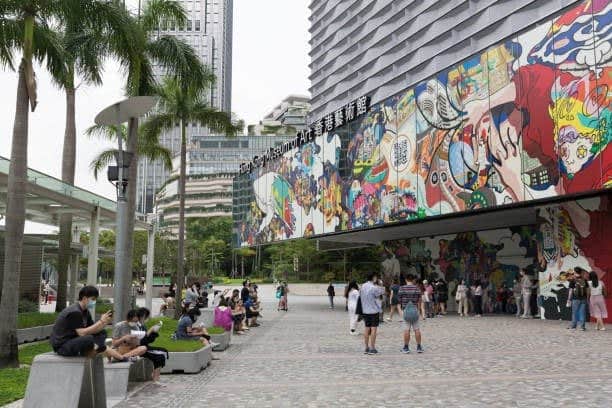
A hallmark of Art Basel Hong Kong is its commitment to ambitious presentations that extend beyond traditional booth displays. For 2026, anticipation centers around site-specific commissions that transform the HKCEC and spill out into neighboring districts, engaging broader publics and energizing the city itself.
Curated sections introduce featured artists whose monumental sculptures, immersive multimedia environments, or avant-garde performances spark discussion well beyond collector circles. These initiatives reinforce Hong Kong’s identity as not just a trading post, but a living stage for contemporary creativity.
- Public art routes create immersive experiences throughout the urban environment.
- Institutional collaborations deepen educational impact and connect fair visitors with diverse regional narratives.
- Digital interventions enable artists to reach new audiences and foster meaningful remote engagement.
Although such presentations rarely lead to direct sales, they strengthen reputations and leave enduring cultural marks—outcomes valued by both participating galleries and supporting patrons.
Reading between the lines: what does art basel hong kong reveal about the international art economy?
Insights drawn from Art Basel Hong Kong 2026 warrant close examination. Are galleries increasingly blending physical and digital engagement? Is there convergence between private buying and institutional collecting habits? These questions matter, especially amid persistent uncertainty regarding inflation, geopolitics, and the rise of technology in creative industries.
Market observers analyze post-fair data: which sectors exceeded expectations, whether secondary-market interest grew around particular movements, and how pricing strategies evolved in response to shifting demand. The fair’s capacity to spark major acquisitions by museums or corporations frequently sets the tone for the months ahead.
- Asia-Pacific momentum: Regional buyers play a growing role in shaping global price benchmarks.
- Sustainability themes gain prominence: Environmental and social issues influence project choices and programming.
- Market corrections prompt prudence: Some dealers adjust inventories to better align with changing tastes.
These observations establish Art Basel Hong Kong as more than a commercial hub—it is also a bellwether for changes in art finance, policy discourse, and collector education worldwide.
The evolving role of Hong Kong as a global art node
March 27–29, 2026 marks much more than a date on the art world’s schedule. After periods of pandemic disruption, regulatory reform, and political debate, Hong Kong has shown resilience as both gateway and meeting ground for East-West exchange. Its infrastructure matches that of other leading cities, with the HKCEC continuing to draw top-tier gallery presentations.
Local institutions and government remain committed to art-driven regeneration, supporting both commercial ventures and public programs that deepen community ties. This combined approach sustains Hong Kong’s appeal as a trusted venue for seasoned art professionals while attracting rising numbers of collectors from mainland China, Southeast Asia, and further afield.
- Improved accessibility increases transactional efficiency: Simplified visas and streamlined shipping support smoother operations.
- Cultural diplomacy advances: Collaborations with international organizations expand outreach and foster cross-border partnerships.
- Innovation hubs flourish: Growing investment in digital platforms and tech-oriented art strengthens the ecosystem around the fair.
Where New York or London once set the rhythm for the global season, many of today’s most influential trends originate in Hong Kong. The 2026 edition will be a pivotal test of how decentralized and interconnected the art world’s power structure can become.
Essential questions about art basel hong kong 2026
How does art basel hong kong influence the global art market?
Art Basel Hong Kong plays a pivotal role by attracting leading international galleries, key collectors, and decision-makers from Asia-Pacific and beyond. The fair’s sales outcomes, artist showcases, and innovative programming help set the agenda for the rest of the year in both primary and secondary markets.
- Collector behavior observed here shapes worldwide investment patterns.
- Curatorial decisions reflect and drive new industry trends.
Each transaction and review provides timely insight, highlighting real-time shifts in economic conditions across the art trade network.
Which types of gallery presentations stand out at the 2026 edition?
The 2026 edition presents a balanced selection of blue-chip, emerging, and collaborative booths encompassing painting, sculpture, digital art, and installation. Particularly noteworthy are joint ventures between regional galleries and international partners, as well as themed exhibits focusing on sustainability and digital innovation.
- Highlights include curated solo booths and thematic group shows.
- Participating galleries increasingly incorporate technology and interactive elements.
This diversity enriches the visitor experience and encourages broad-based engagement among collectors and critics.
What makes the hong kong convention and exhibition centre (hkcec) ideal for hosting the fair?
The HKCEC offers expansive, cutting-edge facilities capable of accommodating complex gallery presentations, multimedia installations, and live public programs. Its central location ensures easy access for exhibitors and guests.
- Advanced logistics infrastructure facilitates smooth movement of artworks.
- Proximity to cultural landmarks enhances networking opportunities during the fair.
The professionalism and scale of the HKCEC cement Hong Kong’s status as a leading center for global art commerce.
How will large-scale projects and public programs evolve in 2026?
The 2026 edition anticipates immersive site-specific projects enhanced by new media, augmented reality, and performance, appealing to both local and international audiences. Educational outreach through schools and advocacy groups will be a focal point, helping forge lasting connections among art, commerce, and civic life.
- Expect strengthened collaboration between organizers, urban planners, and cultural institutions.
- More artists will employ technology to connect with remote viewers and promote interaction.
Such projects elevate cultural value and reinforce the fair’s positive impact on community engagement.