






























Football has not always had an easy relationship with Sri Lanka’s sporting calendar. Cricket occupies the national consciousness with a firmness that leaves little room for rivals. Yet the island’s football scene has been quietly building momentum — in clubs, competitions, and fan culture — over the past several years.
From Grassroots Clubs to a National Structure
Domestic club football is anchored to long-established clubs such as Army FC, Renown SC, Blue Star SC, and Colombo FC; while they attract relatively small yet loyal followings and also casual fans that would likely spend their evening watching either a live-streamed cricket match or play on casino online platforms, there are signs that some people are beginning to take an interest in domestic football.
Investment in these clubs remains inconsistent; however, the FFSL is working toward structural progress through the development of youth academies and the introduction of regional competitions.
Join The European Business Briefing
New subscribers this quarter are entered into a draw to win a Rolex Submariner. Join 40,000+ founders, investors and executives who read EBM every day.
SubscribeAt the senior team level, Sri Lanka competes annually in the South Asian Football Federation (SAFF) Championship, which is the largest annual international competition in the region. As a result, Sri Lanka’s position within FIFA’s world rankings has historically remained around the 200th spot. This is primarily due to inadequate physical facilities rather than a lack of natural talent or genuine interest from both players and spectators.
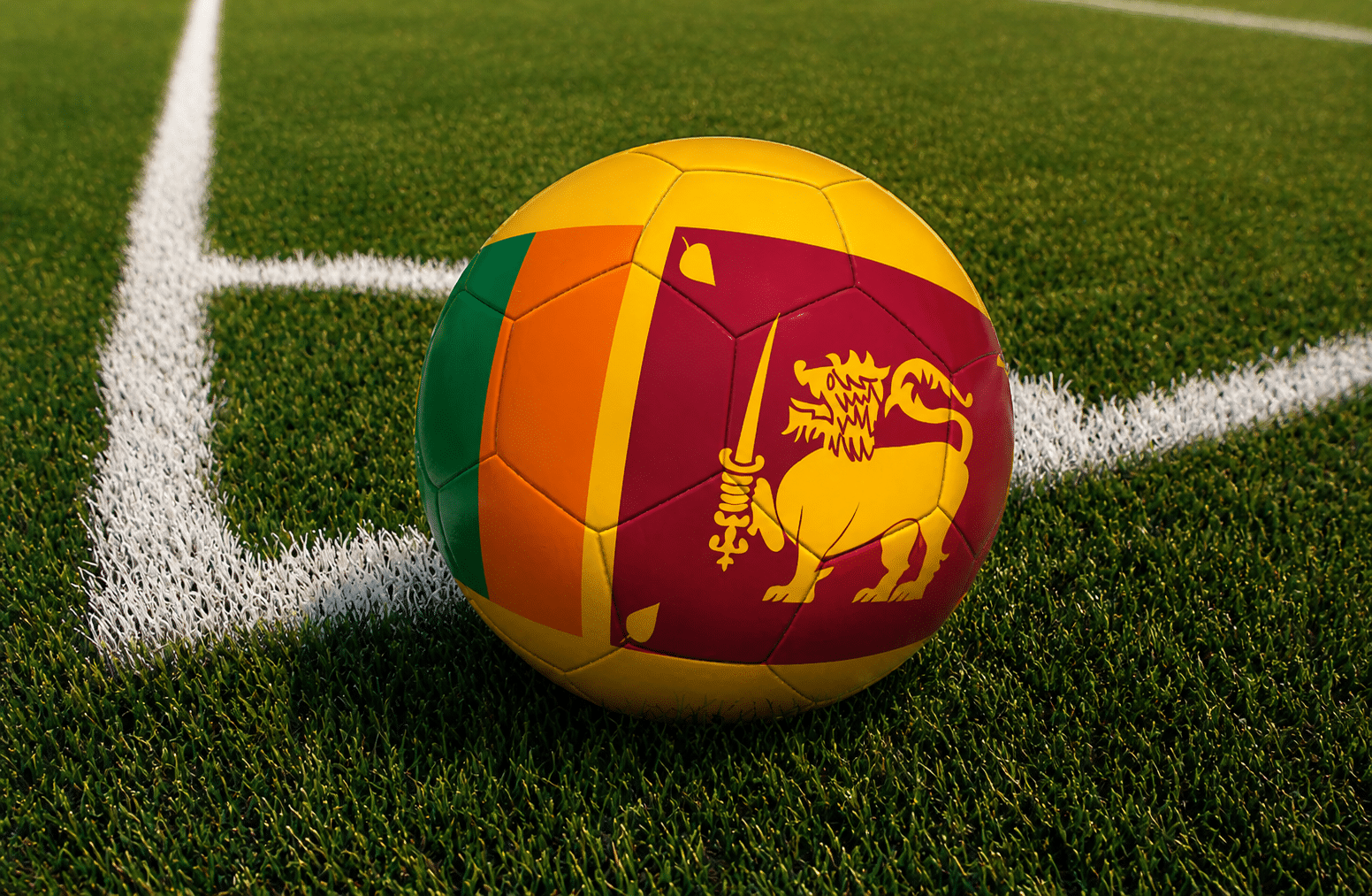
The Lanka Premier League and Competitive Development
Domestic competition has found a more structured footing through the Lanka Premier League (LPL), the country’s premier club competition governed by the FFSL. The league brings together clubs from Colombo and provincial centres under a format that includes promotion and relegation — a competitive mechanism that sharpens the standard of play across the full season. For football analysts and bettors researching Sri Lankan club football, platforms like guidebook.melbet.com offer league data and odds context that help users track LPL form throughout the campaign. Corporate sponsorships from Sri Lankan telecom and financial brands have added a degree of financial stability that the competition lacked in earlier iterations.
The LPL has also served as a gateway to AFC competition pathways for domestic champions. Qualifying rounds against clubs from South and Southeast Asia have pushed Sri Lankan sides to develop tactically beyond what local competition demands. This continental exposure, while still rare, has helped establish the LPL as a legitimate competitive structure rather than a ceremonial exercise.
Key Clubs in the Domestic Game
The Sri Lankan club landscape features a mix of military-backed outfits, corporate-sponsored sides, and community-rooted organisations. Their histories and structures vary considerably, but most have served as both competitive clubs and local institutions. The table below captures the most prominent clubs currently active within the national football structure and what distinguishes each.
| Club | Home Base | Backing | Notable Feature |
| Blue Star SC | Colombo | Community / private | One of Sri Lanka’s oldest clubs; multiple national titles |
| Renown SC | Colombo | Community | Regular top-flight contender; active youth academy |
| Army FC | Diyatalawa | Military | Strong squad depth; consistent LPL presence |
| Police SC | Colombo | State/military | Perennial top-tier club with institutional stability |
| Colombo FC | Colombo | Corporate | Growing infrastructure and professional coaching staff |
Forces Behind Football’s Slow Ascent
Football’s growth in Sri Lanka is not the product of a single investment or policy decision. It reflects several long-running trends that have gradually lowered participation barriers and deepened exposure to the game at every level — from schoolboy tournaments to AFC qualifying rounds.
- SAFF and AFC qualification cycles give the national team recurring competitive exposure, building local media coverage and generating public discussion around the sport.
- FFSL youth programs at the Under-17 and Under-20 levels are producing technically capable players at a rate that outpaces earlier generations of domestic football.
- Streaming access to European leagues, particularly the English Premier League, has deepened football literacy among Sri Lankan fans and raised standards of expectation at home.
- Corporate sponsorships from telecom and fintech brands have injected reliable funding into league infrastructure and club operations, reducing dependence on gate receipts.
- Diaspora communities in the UK, UAE, and Australia follow both global and domestic football, amplifying social media conversation and driving interest back on the island.
A Sport Still Finding Its Ceiling
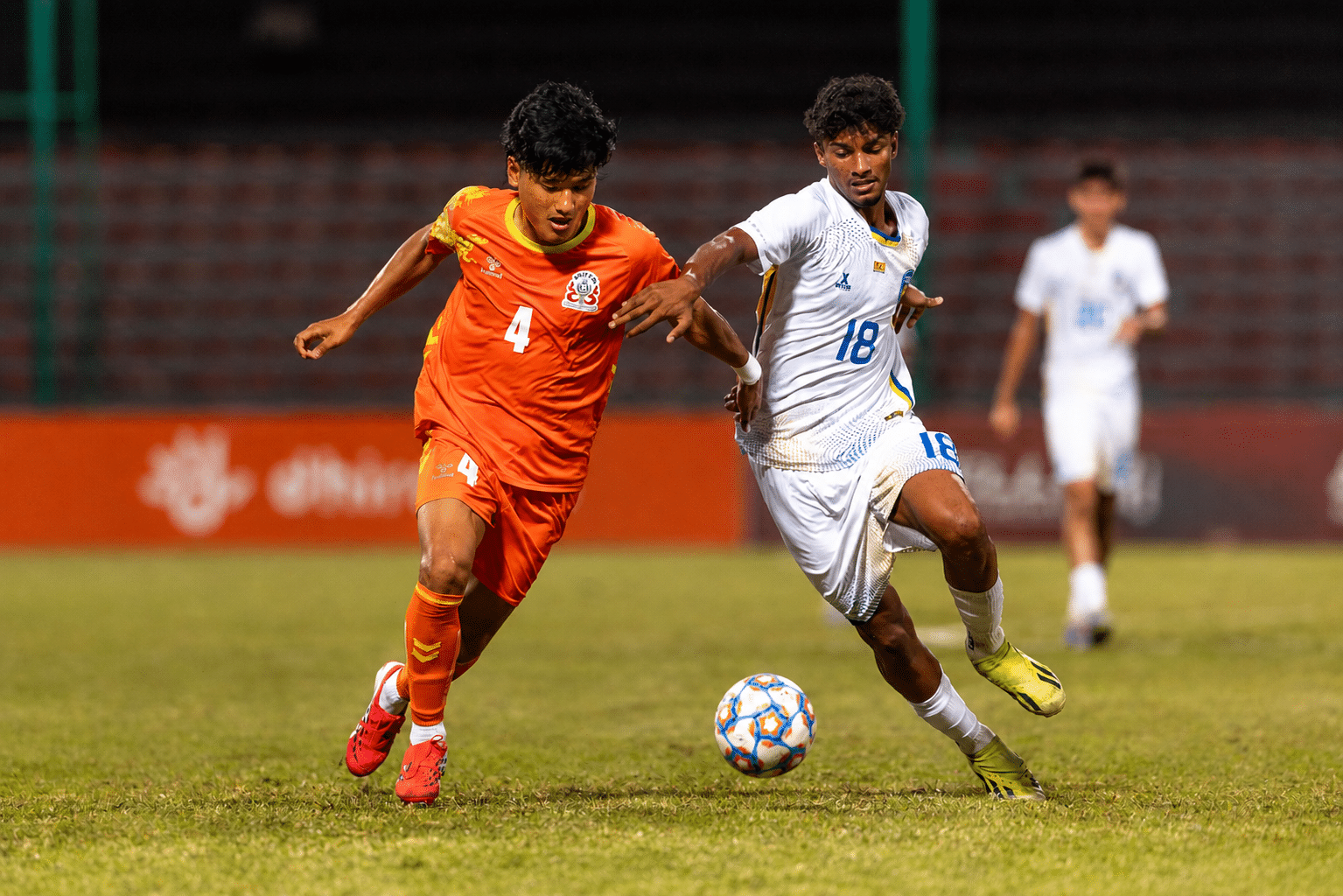
While ambition for football in Sri Lanka may be modest compared to many other nations, the national team can’t realistically compete with the top-tier teams in Asia for at least another ten years. However, there are measures beyond rankings by which one can judge a sport’s health. For example, attendance at LPL games has increased over the last few years, and several clubs outside Colombo are consistently performing on par with those based in Colombo. The challenge of sustaining what has been accomplished is greater.
Financially strapped (due to a lack of institutional support), clubs also continue to face financial challenges each year. Furthermore, as long as there are significant economic differences in resources across clubs within regions and countries, there will continue to be a structural impediment to retaining domestic talent. To improve existing stadium infrastructure in provincial areas, all three parties (the FFSL, Government agencies, and Private investors) must work together. Although the direction of travel for Sri Lankan football is evident, the next step is to ensure that the momentum continues until it is self-sustaining.






