
























Busy kitchens are now facing tough challenges across from every city block. With prices climbing on groceries and fewer workers signing up, running a diner takes sharper choices. A smarter setup inside the back area often leads to better results at the register. Swapping old stoves and fridges for newer models tends to help margins more than expected.
Out here, smart gear isn’t just nice to havea anymore. Staying open means adapting – restaurants are feeling that shift every day. Energy-saving fridges, ovens that adjust on their own – these tools trim waste without slowing things down. Less waiting, fewer mistakes, better meals leaving the kitchen faster than before.
One way kitchens boost profits? Smarter gear choices. Commercial Kitchen Equipment upgrades shift earnings more than expected now. Choices made today affect dollars kept tomorrow. What gets bought shapes what gets earned. Profit paths change when tools improve. Picks behind the scenes drive results up front. Decisions on machines ripple through revenue later.
Join The European Business Briefing
New subscribers this quarter are entered into a draw to win a Rolex Submariner. Join 40,000+ founders, investors and executives who read EBM every day.
SubscribeThe Growing Importance of Smart Kitchen Investments
Under pressure to deliver, restaurants can’t afford mistakes. Old-style machines guzzle power, need extra hands, and rarely cook things the same way twice. Yet newer gear runs smarter, cuts down on lost materials, and keeps output steady. Efficiency isn’t accidental – it’s built into how these tools work.
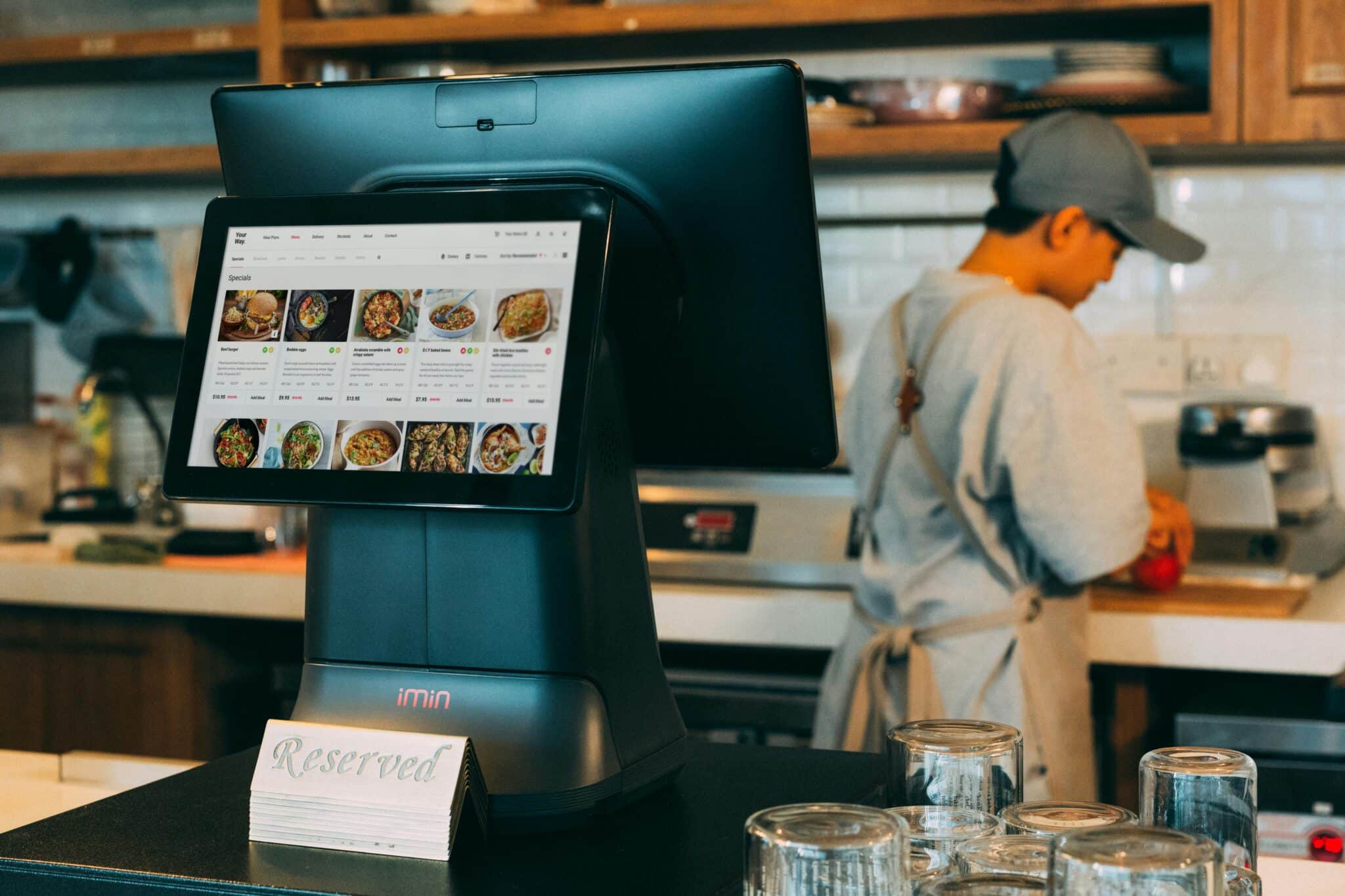
Out here, kitchen tools pack tech like automated systems, sensors, maybe even live updates on performance.
How Energy Efficient Equipment Reduces to the Operating Costs
Some eateries upgrading gear by 2026 start spotting lighter power costs pretty fast. Because of this, more money stays in pocket each month. Equipment using less juice means fewer charges on the bill.
Automation and the Labor Cost Reduction
From behind the counter, a machine flips fries exactly when needed. Cooking gear that runs on its own cuts down hands-on time. Staff shift attention to guests instead of watching stoves. Tasks like grilling stay consistent without someone hovering nearby.
Out of the need for efficiency comes automation, quietly reshaping how kitchens run. When machines handle repetitive tasks, fewer staff are needed nearby. Because routines become standardized, meals taste the same every time. With less reliance on constant human input, payrolls shrink naturally. Over months, those smaller expenses add up without changing output. Equipment doesn’t tire, so timing stays sharp through busy rushes. Savings appear where hours once piled up.
Improving Food Consistency and Quality
Every single meal matters when people decide if they can rely on your place. When folks walk in, they want what they remember – nothing more, nothing less. Machines built for heavy use help keep flavors steady without guesswork. Precision comes naturally when tools handle the details behind the scenes.
Starting things off, precise controls in modern kitchens help cooks hit the right heat and timing every time. Because of that, mistakes happen less often, meals turn out consistent. With such tools around, eateries keep quality steady even when experienced staff are scarce.
Out here, today’s kitchen tools do more than just speed things up – they lock in freshness by nailing the right storage environment.
Reducing Food Waste Through Smart Technology
Waste on plates piles up fast inside dining spots. Costs climb when scraps pile high, while green goals slip away. Machines that think for themselves now step in where habits fail. These tools nudge kitchens toward smarter choices without slowing service down.
Right now, some kitchen tools keep tabs on ingredients as they’re used. When supplies run low – or food is close to spoiling – workers get a heads-up automatically.
Every now and then, machines step in to manage how much goes into each dish. These tools pour out just enough – never too little, never piling it on. What slips through gets cut back simply because timing stays sharp. Precision hides inside gears rather than guesswork. Waste fades when repetition takes hold without drifting off track.
Enhancing Kitchen Efficiency and Workflow
Smooth operations often start with how things are arranged inside a work kitchen. Equipment made today helps keep tasks moving without slowing down what happens next.
Out of small gadgets comes big potential – kitchens gain room plus efficiency at once. Take ovens that bake, steam, even roast; these take up less counters since they replace several machines.
Out back, cooks stay in step because tools talk to each other. Screens light up with tickets – no yelling across the room. Mistakes slip away when info flows without hiccups. Speed builds naturally when everyone sees the same details at once.
Better speed brings quicker results, more people served, and also lifts income. Not just time saved but fewer delays show up too.
Data Driven Decision Making
Out of sight, these tools log how long meals take to cook, how much power they need, plus how well machines operate. When bosses check what shows up, better choices come easier – spotting weak spots becomes routine.
When Restaurant Equipment gear stays linked, it can spot trouble early. Problems show up as warnings long before they get serious. Less time waiting for fixes means smoother operations. Expensive breakdowns? Those happen far less often.
Running a restaurant smarter happens when numbers guide decisions instead of guesses. Profits grow once patterns in customer choices become clear.
Long Term ROI of Equipment Investments
Spending more upfront on new kitchen gear might feel heavy at first. Still, lower energy bills slowly add up over time. Fewer staff hours spent handling tasks means money stays in your pocket. Machines that work better tend to save minutes every day. All of it together builds value after a while.
Fewer repairs add up when today’s kitchen tools are made tough. Built that way, they keep running without constant fixes.
Over time, machines that think help eateries shift when tastes change or new trends show up. Because of this, places with updated tools often see steady gains and more money left after bills are paid.
Conclusion
Later on, machines inside work kitchens start making a difference for eateries. Because of smarter owners, places cook faster without spending too much. With better tools showing up, meals come out the same every single time. Starting around then, daily tasks get smoother thanks to updated gear arriving.
Out here, fridges that sip power instead of guzzling it help cut costs fast. When kitchen gear talks to software, owners spot waste before profits bleed out. Some diners now run tighter than a drum thanks to sensors tracking every fry and pour. Machines learning habits adjust settings overnight – no human needed. Those who wait often trail behind, stuck with old math and higher bills. Tech-savvy spots thrive not because they’re flashy but focused on what leaks money.
A choice once seen as just practical now shapes what comes next. Picking tools wisely sets the path restaurants follow ahead.