































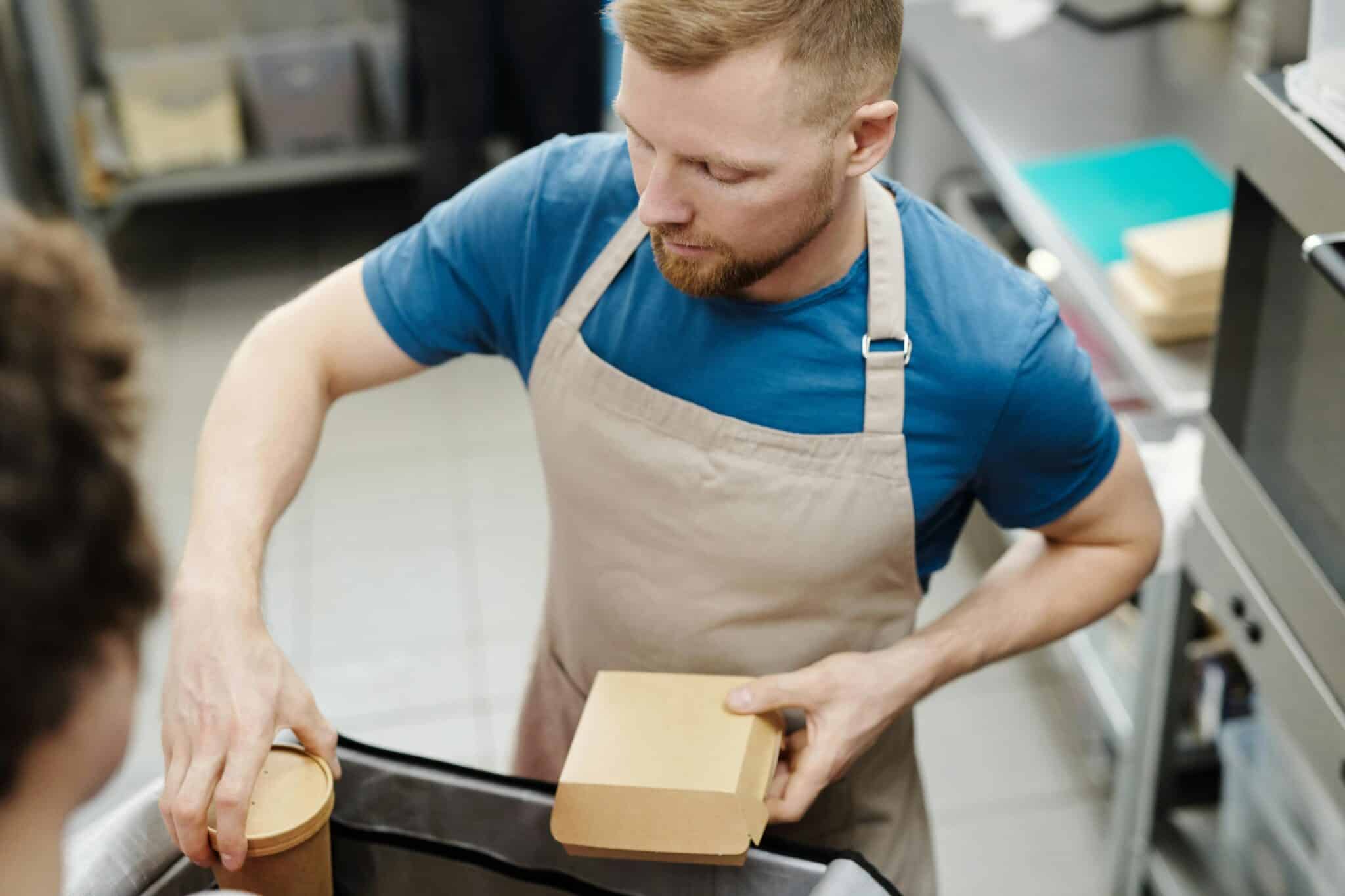
Right now, across busy kitchens, talent means little without sharp systems behind it. A single misstep in movement can slow everything down – timing slips, orders back up. Truth is, most places never spot the real issue hiding in plain sight. Instead of speed, there’s hesitation; instead of rhythm, constant small delays pile up. Money leaks out through confusion, extra steps, wasted ingredients nobody tracks. Only when numbers dip do owners finally look closely at how things really move.
Out here, messy kitchens slow things down more than most admit. Some spots now swap old methods for sharper tools – watching closely what works. A shift toward clever routines slips in quietly where habit once ruled. What changes? Less waste shows up in daily counts. Smarter moves follow simple upgrades, nothing flashy. Results come through steady tweaks, never big promises.
Understanding Kitchen Workflow Inefficiency
A kitchen’s rhythm lives in its steps – moving meals from chopping boards to serving plates. Messy layouts bring hiccups: timing slips, people bump heads, mistakes creep in.
Join The European Business Briefing
New subscribers this quarter are entered into a draw to win a Rolex Submariner. Join 40,000+ founders, investors and executives who read EBM every day.
SubscribeOut here, where cooks scramble just to find a whisk, trouble begins. Reach matters – when gear lives too far away, steps pile up instead of meals. Think about it: every second chasing soy sauce chips at efficiency. Old pans that warp under heat? They turn frying into gambling. Slipshod ladles, frayed tongs – they’re not quirky charms, they’re hidden delays. Watch how often someone hesitates mid-task, hunting for something basic. That pause? Multiplied across shifts, it drains momentum.
The Hidden Costs of Inefficient Kitchen Workflows
Increased Labor Costs
It hits the wallet fast when work drags on – messy routines mean more hours paid for less done. Workers stuck hunting down tools or standing idle by a mixer lose steam, losing time without choice. Minutes meant for quick jobs balloon, spilling far past their limit.
Because of this, companies usually require extra workers to manage identical tasks. When tools in restaurants improve and get arranged well, time spent doing repetitive work tends to drop sharply.
Food Waste and Inventory Loss
When steps take too long, stock tends to slip through cracks. Stored wrong or tucked away where nobody reaches, Restaurant Supplies sometimes rot untouched. If team members miss details while talking things over, the kitchen might end up making the same item twice.
Out here, tidy storage bins plus clear labels mean less tossed food. Good gear behind the counter keeps things fresh by handling each item right – waste slips away when tools do their job. Freshness sticks around longer if everything has its place.
Slower Service and Customer Dissatisfaction
When things move slow in a restaurant kitchen, everything else falls behind. Service drags when meals take too long to come out. Customers tend to notice, then complain online. A single delay might cost more than just time – return visits drop.
Midday rush hits harder when pantry items are scattered. Timing slips just because utensils were stored wrong.
Staff Burnout and High Turnover
When a kitchen feels out of control, workers carry that weight. Delays pile up, people get in each other’s way, tension builds – soon enough exhaustion follows. Tools that do not work well leave cooks irritated, slowing them down while draining their motivation. Mood dips. Output slips. Satisfaction fades alongside it.
When too many workers leave, expenses climb because of constant recruitment. Better kitchen tools plus smarter routines make days run smoother. A calmer workplace keeps good people around longer.
How Businesses Are Fixing Inefficient Kitchen Workflows
Smart Kitchen Layout Design
Out here, today’s kitchen setups think ahead about how people move through tasks. Because of this shift, companies now arrange spaces so going from prepping food to cooking it feels natural, almost like stepping forward without tripping.
Upgrading to High Quality Equipment
Out there, some companies toss old machines when new ones show up. When gadgets sip less power or do more than one job, things move quicker – fewer headaches later on.
Implementing of the Standard Operating Procedures
Step by step, things move smoother when rules stick. When companies map out each move ahead of time, fewer questions pop up later on.
When everyone uses kitchen tools the same way, things run without surprises. A tidy setup paired with straightforward steps keeps work steady when it gets busy. What matters is that routines stay predictable under pressure.
Using Technology for Better Management
Out here, digital tools reshape how Kitchen Supplies run each day. Stock levels get watched closely by inventory tech, cutting down on wasted items. Communication flows smoother between dining room teams and cooks thanks to order platforms that keep things moving.
From smart tools comes better control over what a restaurant keeps in stock. When systems track usage closely, waste drops without extra effort needed. Efficiency grows because tasks flow smoother behind the scenes. Mistakes fade when digital support handles routine work. Productivity climbs as staff spend less time fixing avoidable issues.
Staff Training and Skill Development
Without solid training, top tools still fall short. Workers learn processes so operations run smoothly because knowledge shapes results.
From time to time, workers learn how to handle kitchen tools correctly through practice. Because they know what to do, tasks take less time when done right. Mistakes happen far less often once routines become clear. Quality stays steady when people pay attention each day.
The Role of Organization in Kitchen Efficiency
A tidy space sets the pace in any kitchen. With each item in its usual spot, workers move quicker, mistakes drop away.
Stuff stays put when shelves have clear spots plus names written big. When things group by kind – pots here, spices there – workers see what they need at a glance. Less mess means fewer steps wasted hunting ladles or oil mid-rush. Time saved adds up without anyone noticing how it works.
Orderly spaces just handle stress better, especially when hands are full. Fewer items lying around leads to smoother moves near hot surfaces.
Long Term Benefits of Efficient Kitchen Workflows
Start smart. Fixing how things run in the kitchen goes beyond quick fixes. Lasting gains come through steady progress, quietly building strength over time.
Because tools work better when cared for, meals come out right more often. When equipment runs smoothly, less money slips away on wasted materials. Happy customers return – often without saying why. Profit grows quiet-like, step by step, behind the scenes.
Success often follows companies focused on getting things done smoothly. With quicker responses, tidy operations, or reduced spending, they stay ahead without trying too hard.
Conclusion
Start slow, yet mistakes pile up when steps repeat without reason. Labor eats more budget than planned – people rush, still fall behind. Customers notice delays, even if they do not complain outright. Fixes exist, though few spot them at first glance.
Start with stronger tools behind the counter. New gear helps when space feels tight. A reworked floor plan shifts how people move during rush hours. Staff learn new routines slowly over weeks. Mistakes drop once everyone adjusts. Smooth systems keep meals uniform every time. Quality stays high even on busy nights. Money saved adds up after months pass. Speed matters less than steady results.