





























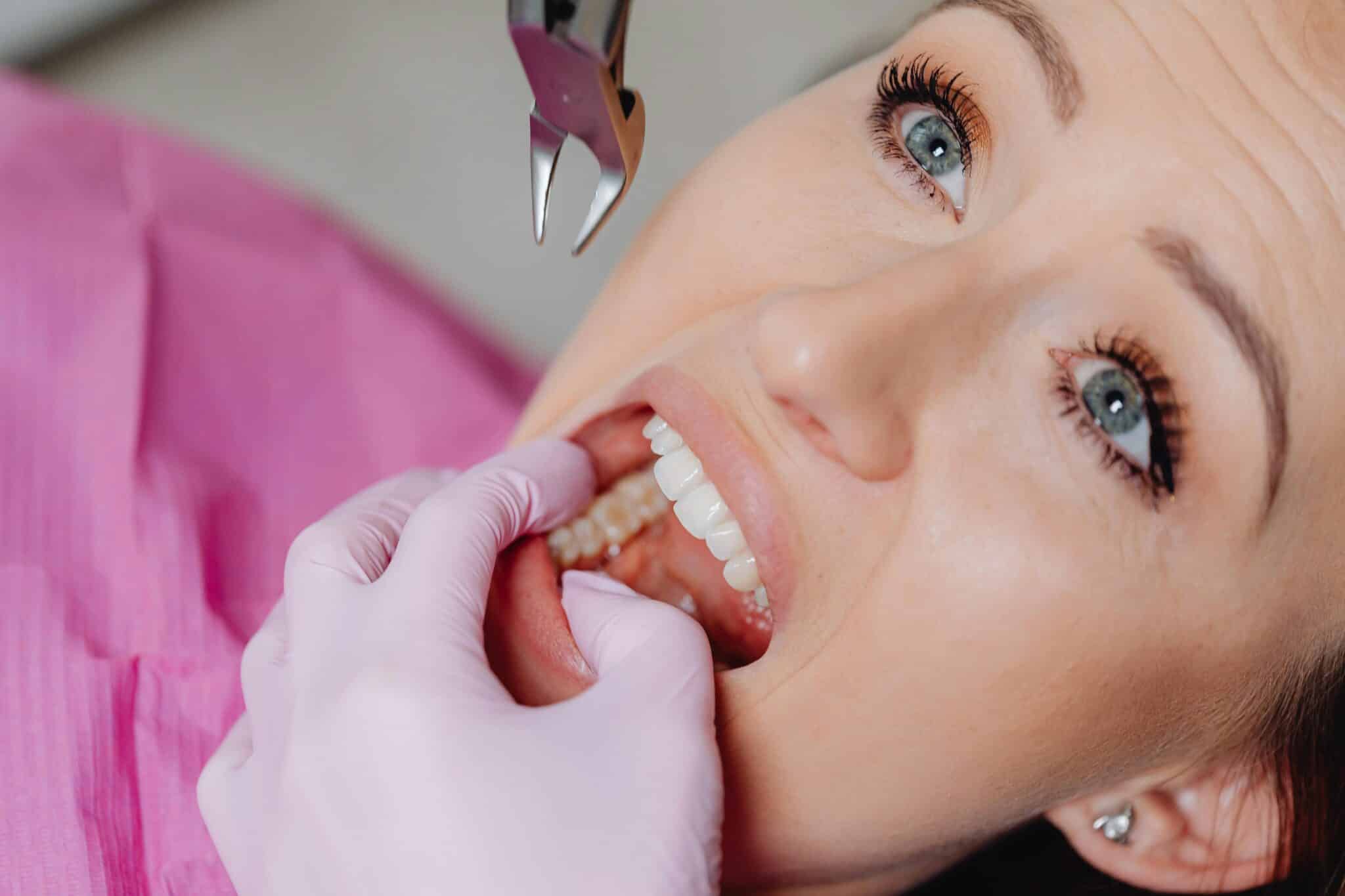
It usually happens at the worst possible moment. You’re enjoying a meal, biting into something soft, when suddenly you feel a sharp crack or a sudden wave of pain in your tooth. You pause, unsure of what just happened, but one thing is clear—the discomfort is real.
Dental emergencies rarely come with a warning. A cracked tooth or sudden sensitivity can turn a normal day into a stressful one within seconds. In these moments, understanding what to do next can make all the difference in protecting your oral health.
Often, the solution involves a dental filling, especially when the damage is caught early. Acting quickly not only relieves pain but also prevents further complications that could require more extensive treatment later.
Join The European Business Briefing
New subscribers this quarter are entered into a draw to win a Rolex Submariner. Join 40,000+ founders, investors and executives who read EBM every day.
SubscribeUnderstanding a Cracked or Painful Tooth
What Is Happening Inside the Tooth
A cracked or painful tooth usually means that the protective outer layer, known as enamel, has been damaged. This can expose sensitive inner layers of the tooth, leading to discomfort or sharp pain.
Sometimes, the crack is visible. Other times, it is hidden and only revealed through sensitivity or persistent pain.
In many cases, a dental filling is used to restore the damaged area and protect the tooth from further deterioration.
Common Causes of Tooth Damage
Teeth can crack or become painful for several reasons. Biting on hard foods, grinding your teeth at night, or experiencing trauma from an accident are all common causes.
Even small cavities that go untreated can weaken the tooth structure over time, eventually leading to cracks.
First Steps During a Dental Emergency
Stay Calm and Assess the Situation
The first thing to do is remain calm. Panic can make the situation feel worse than it is. Take a moment to identify where the pain is coming from and whether there is visible damage.
Avoid Further Stress on the Tooth
Try not to chew on the affected side of your mouth. Avoid hot, cold, or sugary foods, as they may increase sensitivity.
Protecting the tooth from additional pressure helps prevent the crack from worsening before you receive treatment such as a dental filling.
Rinse Your Mouth
Gently rinsing your mouth with warm water can help clean the area and reduce irritation. This simple step also helps remove any food particles that may worsen discomfort.
When a Dental Filling Is Needed
Restoring a Damaged Tooth
A dental filling is often the first line of treatment for minor cracks or cavities. The dentist removes any damaged or decayed part of the tooth and fills the space with a restorative material.
This process strengthens the tooth and restores its normal function.
Preventing Further Damage
Without treatment, a small crack can grow deeper over time. This may eventually lead to infection or the need for more complex procedures.
A timely dental filling helps seal the tooth and prevent bacteria from entering.
What Happens During Emergency Treatment
Immediate Dental Assessment
When you visit the dentist, the first step is a thorough examination. The dentist will assess the extent of the damage and determine whether a filling is sufficient or if further treatment is required.
The Filling Procedure
If a dental filling is recommended, the procedure is usually quick. The damaged area is cleaned, prepared, and filled with suitable material. The tooth is then shaped to restore its natural function.
Modern techniques ensure that the process is comfortable and efficient, even in emergency situations.
Pain Management Before Your Appointment
Temporary Relief Methods
Over-the-counter pain relief can help manage discomfort before your dental visit. Applying a cold compress to the outside of your cheek may also reduce swelling.
Avoiding Triggers
Stay away from foods and drinks that trigger sensitivity. This helps keep pain under control until you receive professional care.
Remember, these are temporary solutions. A proper dental filling or other treatment is necessary for long-term relief.
Why Quick Action Matters
Preventing Infection
A cracked tooth creates an entry point for bacteria. If left untreated, this can lead to infection, which may require more advanced dental procedures.
Saving the Tooth
Early treatment increases the chances of saving the natural tooth. A simple dental filling is often enough if the issue is addressed promptly.
Delaying treatment, however, may lead to more extensive damage.
Choosing the Right Dental Care Provider
Importance of Experience in Emergencies
Dental emergencies require quick thinking and skilled care. Choosing a clinic with experience in handling urgent cases ensures better outcomes.
Clinics such as Nuffield Dental are often known for their ability to manage both routine and emergency treatments with a calm, patient-focused approach.
Comfort and Communication
In stressful situations, clear communication from your dentist helps you feel more at ease. Understanding your treatment options, including whether a dental filling is needed, allows you to make informed decisions.
Preventing Future Dental Emergencies
Strengthening Oral Health Habits
Good oral hygiene reduces the risk of cavities and tooth damage. Brushing twice daily and flossing regularly help maintain strong teeth.
Avoiding High-Risk Behaviors
Chewing ice, biting hard objects, or using teeth as tools can increase the risk of cracks. Being mindful of these habits protects your teeth in the long run.
Regular Dental Check-Ups
Routine visits allow dentists to detect early signs of weakness or decay. Early treatment often prevents the need for emergency procedures and reduces reliance on urgent dental filling treatments.
A Clear Path Forward in a Dental Emergency
A cracked or painful tooth can feel alarming, but it is important to remember that effective solutions are available. Acting quickly and seeking professional care can make a significant difference in the outcome.
In many cases, a simple dental filling is all that is needed to restore comfort and protect your tooth. The key is not to delay.
Moving From Pain to Relief
Dental emergencies are unpredictable, but your response doesn’t have to be. By understanding the steps to take and recognizing when treatment is needed, you can protect your oral health with confidence.
Whether it is a minor crack or sudden pain, timely care ensures that your smile stays strong. With the right attention and a properly placed dental filling, you can return to your normal routine without lingering discomfort.






