


























Key Takeaways
- Digital casino games now operate more like software services.
- Tournament formats make platforms depend on real-time service management.
- Europe shows how mobile use and online payments shape casino platforms.
- Trust, payments, privacy, and smooth access now carry the business.
Digital casino games are still games, but the business around them now looks much closer to software than to a classic entertainment product.
Today, digital entertainment habits have matured, even when putting aside the huge upcoming wave of AI and tech transformations in that industry. Today’s users expect the same polish from casino platforms that they expect from streaming, payments, and other daily apps. In Europe, that shift is especially clear.
Strong online buying habits, broad mobile use, and steady growth in digital payments have made websites and apps the main stage, which means the software side of digital casino games is no longer a support function. It is increasingly the core of the business.
Join The European Business Briefing
New subscribers this quarter are entered into a draw to win a Rolex Submariner. Join 40,000+ founders, investors and executives who read EBM every day.
SubscribeTournament formats turn play into an ongoing service operation
A single casino game can be delivered as a clean digital product, but a tournament format changes the job completely, and what we see in recent developments is that digital gaming sites prioritize that format in particular.
The platform is no longer just presenting a game, but is running a live service with schedules, timed phases, synchronized users, real-time updates, and constant state management. That is why tournaments feel so close to SaaS logic.
Now, this is true only for some games, as not all offers allow developers to organize tournaments. This cannot apply to slots, whereas poker platforms embrace it and have therefore become fully operating SaaS businesses.
Online poker tournaments that gambling sites offer demand far more than card dealing and scorekeeping. The platform has to manage registration windows, seat allocation, blind increases, late entry, re-entry, prize distribution, table balancing, breaks, and reconnects, all without breaking the flow.
Each part depends on steady back-end coordination and a front end that stays clear under pressure. A good user experience comes from invisible software work that keeps every step aligned.
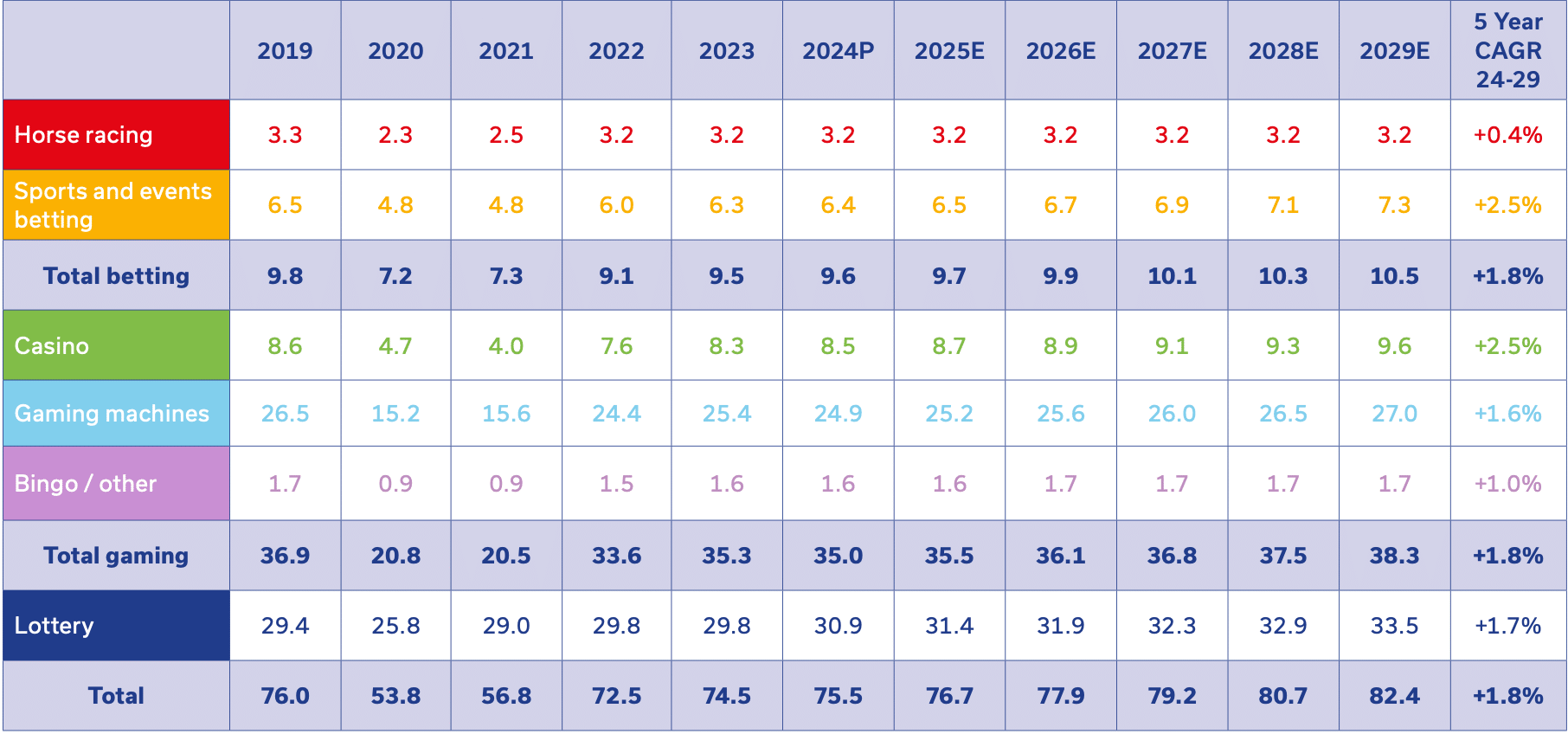
The table shows gross gaming revenue in EUR billion, according to the European Gaming and Betting Association, with casino games showing significantly high growth.
Real-time updates become part of the service
They also create a strong streaming demand inside the platform itself. Every chip count, timer, level change, table move, and payout update has to move across the system in real time. Notifications need to arrive at the right moment, and much more. In practice, that means cloud scaling, load balancing, event logging, and tight performance monitoring become just as important as game design.
That is why digital poker tournaments sit so close to the SaaS center of gravity. They reward platforms that can deliver continuity, precision, and service depth over many hours, often across many devices. The real value is not only the competition at the table. It is the platform’s ability to make the whole event feel stable, responsive, and easy to trust from start to finish.
Europe shows the clearest move from venue to platform
Europe needs its own focus because it shows how quickly casino activity can become part of normal digital life.
People already use apps every day to:
- buy things,
- make payments,
- switch between devices,
- and manage accounts.
So they judge casino platforms the same way they judge other apps, meaning they expect them to be easy, fast, and smooth.
In that sense, things like good software, mobile access, and easy payments are not small extras. They are a big part of why these platforms grow.
| European digital marker | Latest figure | Comment |
| Total European gambling revenue, 2024 | €123.4 billion | Shows the scale of the market moving through digital channels |
| Online share of European gambling revenue, 2024 | 39% | Confirms that online delivery is approaching the market’s center |
| Mobile share of online gambling revenue, 2024 | 58% | Shows why app design and mobile performance now lead product decisions |
| EU internet users who bought online in 2024 | 77% | Signals broad comfort with app and website transactions |
| Highest national online shopping rates in the EU, 2024 | Ireland 96%, Netherlands 94%, Denmark 91% | Points to mature digital behavior in key European consumer markets |
These numbers help explain why the SaaS side is becoming dominant. In Europe, the user is often already trained by daily digital life to expect fast onboarding, saved preferences, secure wallets, clear interfaces, and smooth movement between browser and mobile. The casino platform is therefore competing less on raw access and more on service quality.
Europe also shows that the shift is not identical everywhere. Some markets are already deeply digital, while others still mix online and venue-based habits. But the direction is clear. Online revenue is rising globally and even in various industries, mobile is leading, and the strongest products are increasingly the ones that behave like reliable software services first and gaming destinations second.
Trust, payment flow, and controlled visibility now carry the business
The bigger digital world helps explain this idea. One of the reports we reviewed says video games made about $187.7 billion in 2024. Almost half of that came from mobile games.
At the same time, digital money payments in the euro area reached 4.6 billion transactions in the second half of 2024, worth about €0.3 trillion.
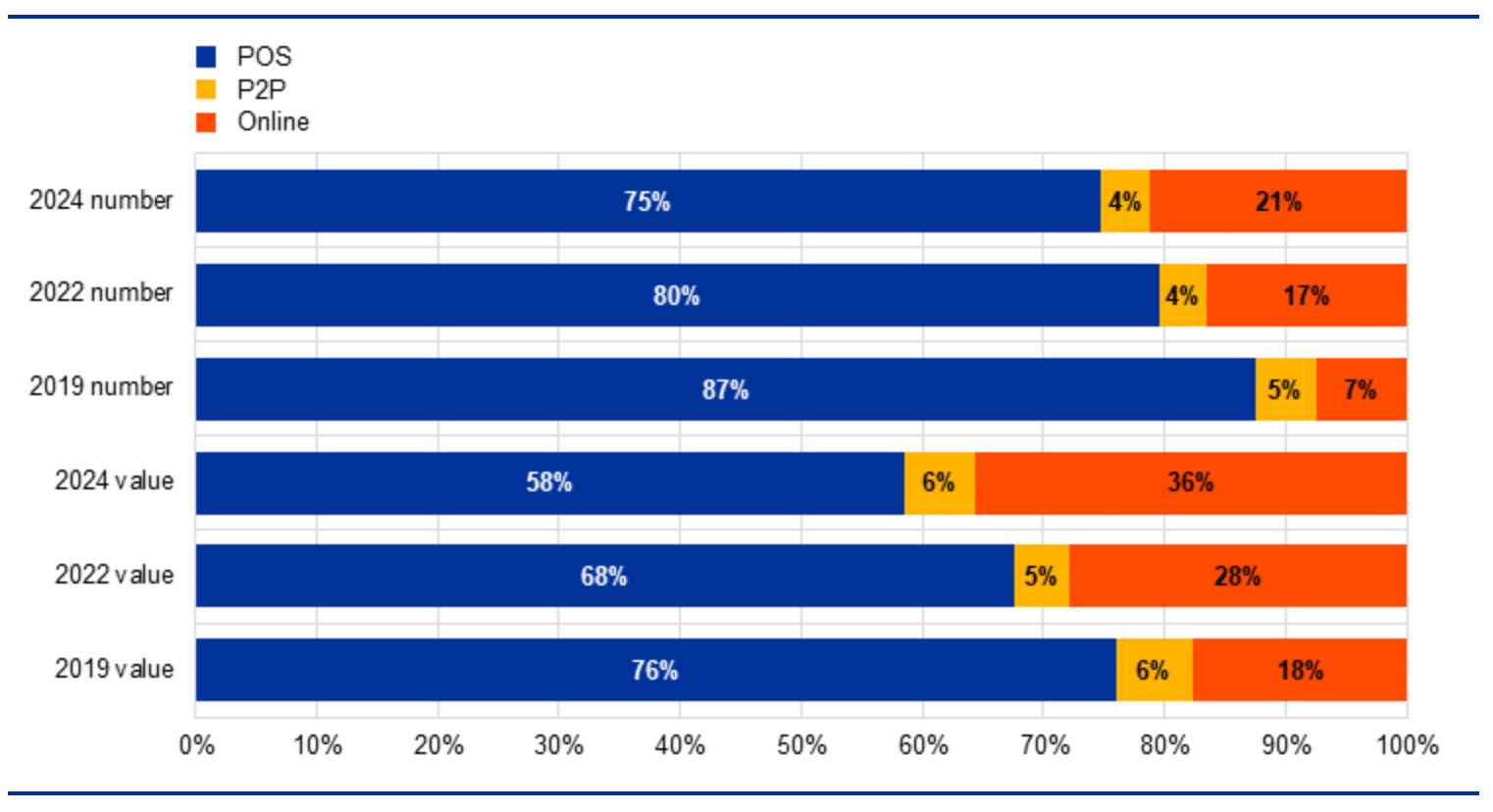
Number and value of day-to-day payments in 2019-24, by the European Central Bank.
In this world, casino platforms now work more like digital service businesses. They depend on:
- user accounts,
- smooth payment systems,
- performance tracking,
- and regular product updates.
The best way to understand the shift is to look at what users notice first. They notice sign-in speed, wallet clarity, stable sessions, safe transactions, and whether they can move through the platform with a sense of privacy and control. Features such as secure authentication, smooth deposits and withdrawals, session recovery, private tables, and incognito-style play options are just essential requirements.
The software layer now carries the commercial weight
Here is what the European Central Bank says:
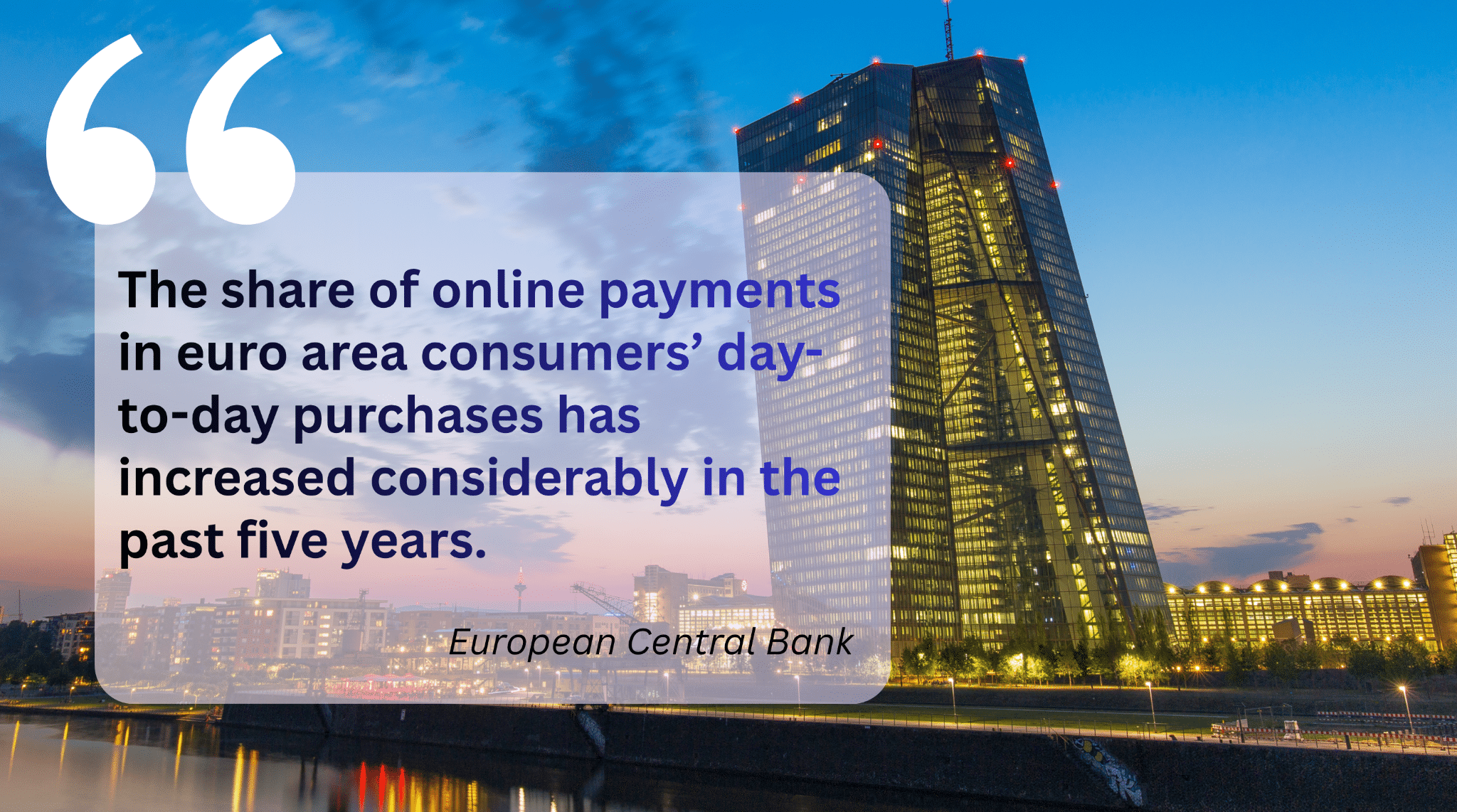
That wider comfort with online payment behavior helps explain why digital casino platforms are becoming more service-led in how they are built and judged.
This is also why the software layer now carries so much of the commercial weight. Security is built into the experience, not hidden behind it. Anonymity features can be offered as a user choice rather than a niche extra. Support becomes part of product design.
So, here is the bottom line: Digital casino games now win more like SaaS products, by delivering trust, continuity, and smooth service through websites and apps. In Europe especially, the software layer is the business itself, rather than the support element for it.