





























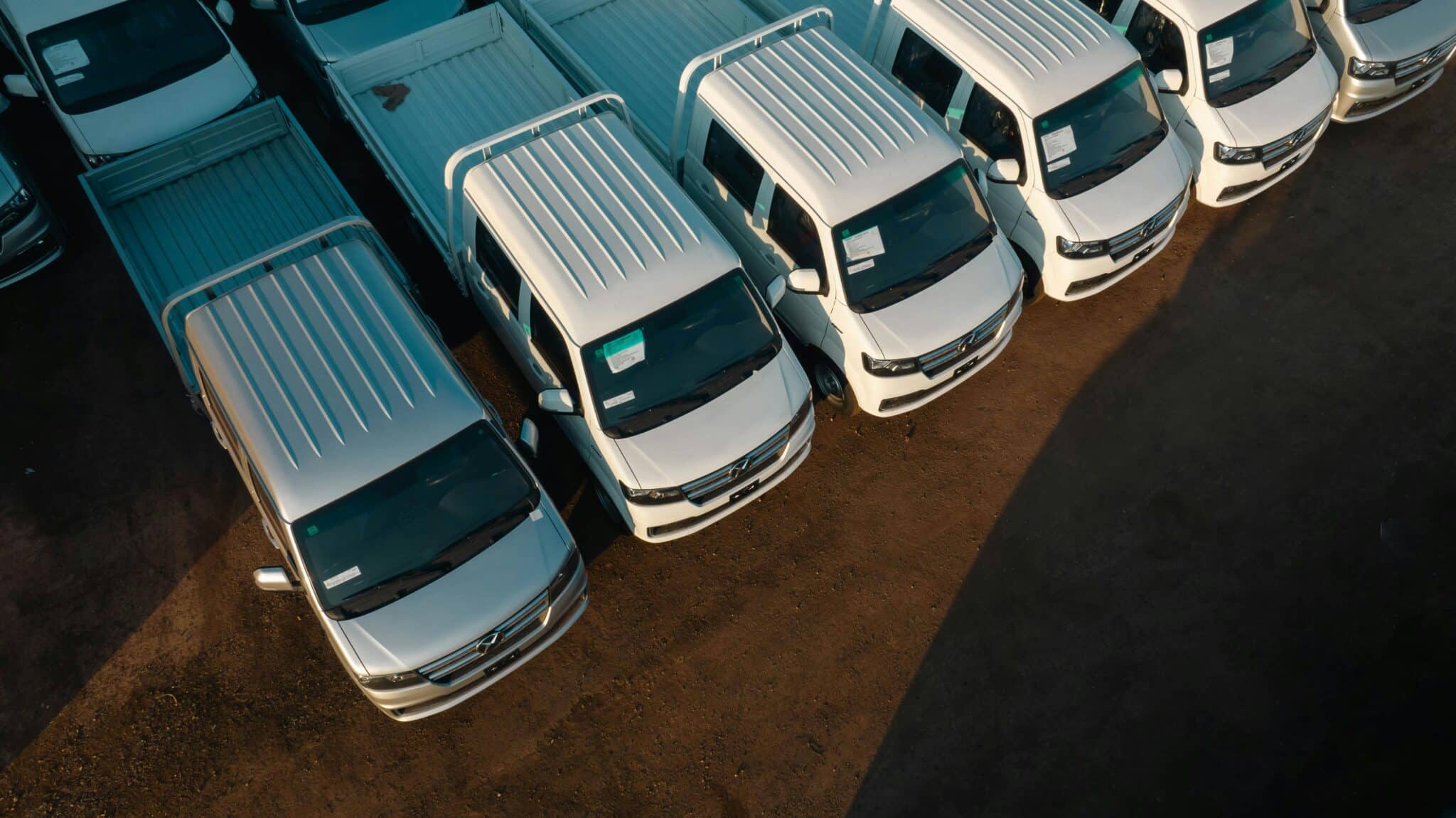
As any business owner knows, maintaining a fleet of vehicles can be pricey. Even if you discount the initial purchase cost (which you shouldn’t!), the ongoing costs like maintenance, insurance, and fuel can become a significant drain on your finances. Unless you’re careful, fleet expenses can end up tying up far more of your business capital than you’d like. So, in this article, we will explore various cost-effective strategies to manage fleet expenses without depleting your reserves.
Lease Rather Than Buy
Join The European Business Briefing
New subscribers this quarter are entered into a draw to win a Rolex Submariner. Join 40,000+ founders, investors and executives who read EBM every day.
SubscribeSure, it’s good to have total ownership of your business fleet, but unless you’ve got stacks and stacks of reliable funds behind you, the traditional model of purchasing vehicles outright may not always be the most cost-effective solution for your business. This is where business car leasing can be helpful. Leasing lets you pay for the use of the vehicle over a specified period without having to bear the full purchase cost upfront, freeing up a significant amount of your capital for other business investments. Various leasing options exist, such as contract hire, where you can lease a vehicle for several years and then return it, thereby eliminating depreciation costs.
Invest in Fuel-Efficient Vehicles
With fuel on the rise, it’s more important than ever to think about the fuel efficiency of your fleet. Technologies are continuously evolving, and there are vehicles on the market that specifically focus on delivering excellent fuel efficiency, which could help reduce your fleet’s running costs over time. In the long run, investing in fuel efficiency can lead to substantial savings on your fleet expenses.
Prioritise Regular Vehicle Maintenance
As the old saying goes, ‘prevention is better than cure’. Regular maintenance can help prevent costly repairs and reduce downtime for your fleet. By ensuring your fleet is mechanically sound, you can reduce the risk of costly breakdowns and, more importantly, keep it operating safely. Services could include regular oil changes, tyre rotations and checks, fluid-level checks, battery checks, and overall inspections of mechanical systems.
Implement Effective Fleet Management Software
Fleet management software can be another big help. Good fleet management systems can help track everything from fuel consumption to driver behaviour, giving you valuable insights into potential areas of wastage or inefficiency. They help businesses to make informed decisions on how to optimise costs and improve both fleet and driver performance.
Negotiate Insurance Premiums
Insuring your business vehicles can be one of the most significant fleet costs your business faces. It’s therefore very important to source the most competitive insurance premiums available. By demonstrating good fleet management practices and having risk management strategies in place, you may be able to negotiate reduced premiums with your insurance provider. These could include implementing a comprehensive driver safety program, providing regular driver training, or using technology to monitor driver behaviour.
Conclusion
Managing business fleet expenses without tying up too much capital can be challenging, but with the right strategies, it is achievable. By exploring flexible leasing options, investing in fuel-efficient vehicles, ensuring regular maintenance, leveraging fleet management software and negotiating insurance premiums, businesses can effectively control and reduce their fleet costs. In doing so, more capital can be freed up for other areas of the business, thereby supporting the overall growth and bottom-line success of your enterprise.