































EBM Newsdesk Analysis
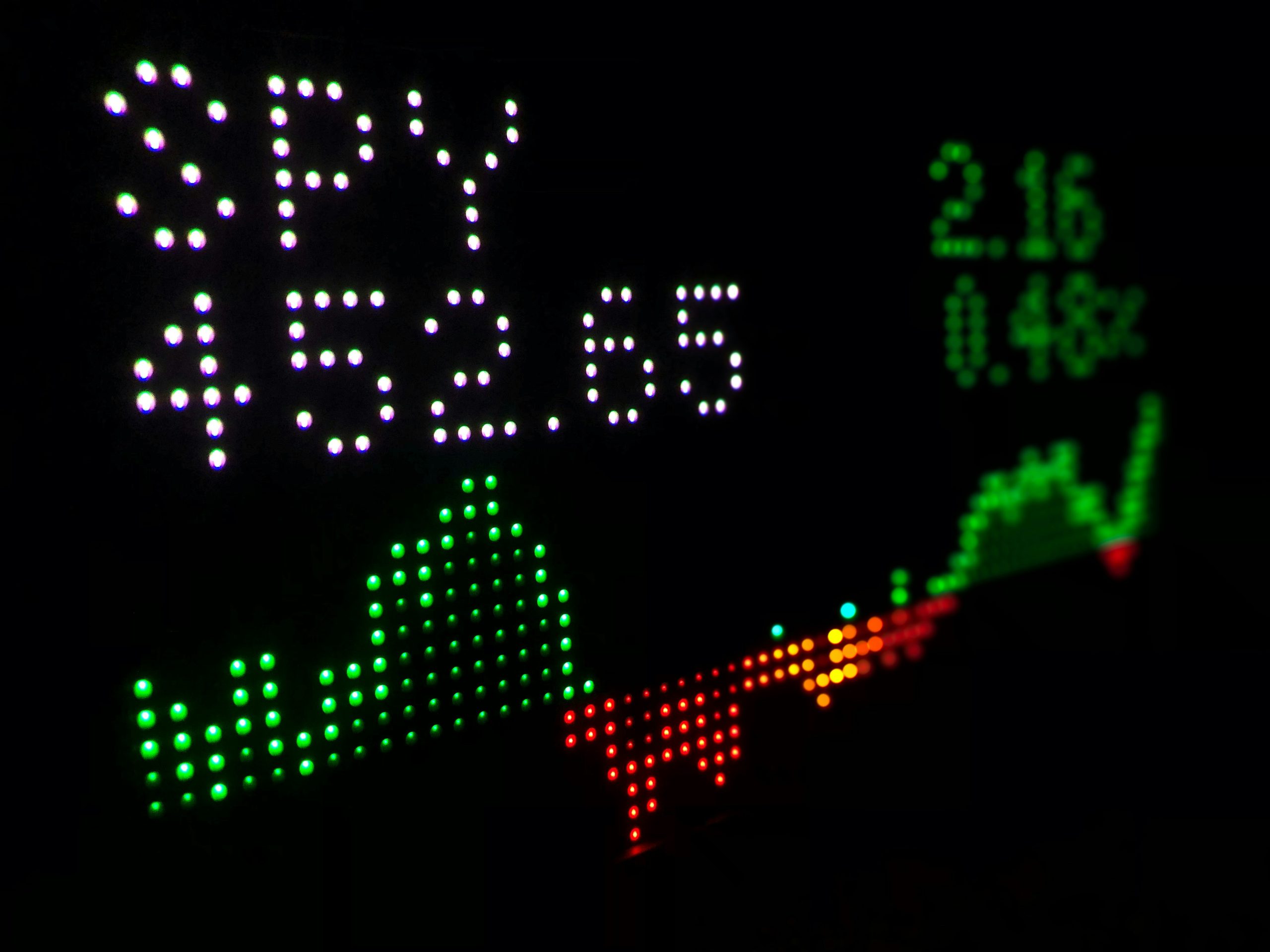
FRANKFURT, May 4 — Four major central banks held interest rates last week — the Federal Reserve, the European Central Bank, the Bank of England, and the Bank of Japan — and global markets responded with the sharpest regional divergence of the year. The S&P 500 posted its strongest monthly return since late 2020, driven by record corporate earnings and AI-led momentum. The eurozone’s Economic Sentiment Indicator, meanwhile, fell to its lowest level since 2020, with the STOXX 600 ending the week effectively flat. Wall Street and Tokyo are pricing recovery; Europe is pricing the cost of the Iran war.
The same nominal policy decision meant entirely different things in different capitals. The Fed held with hawkish dissent, signalling that US growth is too strong to ease. The ECB held with anxiety, signalling that European growth is too weak to bear further energy shocks. The BOJ held but flagged tightening. The Bank of England held citing uncertainty. Markets read the divergence correctly: Europe is now the outlier in a global cycle that has otherwise turned.
The Divergence the Recaps Missed
US equity markets delivered their strongest monthly performance in nearly five years. The S&P 500’s gains came on the back of an earnings season in which more than half of constituents had reported, with the majority beating expectations and AI-led capital expenditure pushing technology sector valuations to fresh highs. Energy stocks added to the rally as oil prices climbed.
Join The European Business Briefing
New subscribers this quarter are entered into a draw to win a Rolex Submariner. Join 40,000+ founders, investors and executives who read EBM every day.
SubscribeAsian markets stabilised. China received a credit outlook upgrade and registered strong industrial profit growth in high-tech and manufacturing. Tokyo benefited from a sharp yen rebound that traders attributed to government intervention, with the BOJ now signalling a gradual policy tightening. The STOXX 600 closed the week unchanged. The eurozone’s Economic Sentiment Indicator hit its lowest level since 2020. Wall Street and Tokyo accelerated. Europe stalled.
Four Holds, Four Different Reasons
The Federal Reserve held with an unusually high number of dissenting votes — a hawkish hold reflecting concern that US growth is running too hot for further easing. The ECB held with the opposite anxiety: that growth is too fragile to absorb the Iran war’s supply-side shock without monetary support. The Bank of England held citing inflation and energy uncertainty. The Bank of Japan held but flagged imminent tightening, with internal divisions reflecting rising inflation pressure from external supply shocks.
The same word — “held” — covered four different decisions about four different economies facing four different problems. Read regionally, the policy chorus looked like coordinated patience. Read structurally, it looked like coordinated paralysis.
Why Europe Got the Worst of It
The eurozone’s Economic Sentiment Indicator fell to its lowest reading since 2020 — a five-year low that exists because Europe is structurally exposed to Middle East energy in a way the US and Japan are not. Hedge funds have pushed European macro shorts to a 10-year high, with Goldman Sachs Prime Services data showing short positions at 11 per cent of overall book. The selling has run for six consecutive weeks.
The supporting data was uniform. Spain’s unemployment came in higher than expected. UK retail activity weakened sharply, signalling consumer spending pressure. Germany’s inflation ticked up, driven almost entirely by energy. The single hypothesis fitting every print is that Europe is paying for a war it did not start, in an energy market it cannot control, with monetary tools that cannot reach the cause.
What This Means for European Businesses
For corporate treasurers and CFOs, the divergence is not a passing data point. It is the new operating environment. European cost bases are now structurally higher than US and Asian competitors by a margin sufficient to determine multi-year competitive positioning. The capital rotation into Europe that defined the start of 2026 — when investors poured record sums into European stocks — has stalled. The ECB has less room to cut than it did six months ago. Q3 earnings will be the test of whether European corporate margins can absorb the energy cost without significant downward revision.
The week’s central bank chorus said the same word four times. The data underneath said something else entirely. For European boards setting H2 strategy this month, the structural lesson is that the global cycle is no longer synchronised. Europe is now in its own cycle — shorter, weaker, and shaped by a chokepoint 5,000 kilometres east of Frankfurt.
Related Analysis
Why Investors Are Pouring Record Sums Into European Stocks — And Leaving Wall Street Behind
Hormuz: The 21-Mile Strait That Could Break the Global Economy