































Introduction
As parents, we obsess over the right nutrition, the best schools, and even the safest toys for our kids. But one thing that often gets overlooked? Their chairs. It might seem like a small detail, but the chair your child sits in every day—whether for meals, homework, or play—has a profound impact on their posture, comfort, and long-term health.
Poor seating can lead to slouching, discomfort, and even chronic back problems later in life. On the other hand, the right kids chairs NZ can encourage good posture, help with concentration, and even improve confidence. So, how do you choose the perfect chair for your child? Let’s dive into why this decision matters more than you think and what to look for in a chair that truly supports your child’s growth.
Join The European Business Briefing
New subscribers this quarter are entered into a draw to win a Rolex Submariner. Join 40,000+ founders, investors and executives who read EBM every day.
SubscribeWhy Posture Matters From an Early Age
Good posture isn’t just about standing up straight—it’s about developing lifelong habits that support spinal health, prevent fatigue, and improve focus. Kids are naturally active, and while they spend a lot of time running, jumping, and playing, they also spend a significant amount of time sitting.
Whether they’re at the dining table, drawing, or attending virtual school, their seating posture directly affects their development. Poor posture in childhood can lead to:
Back and neck pain from slouching and improper spine alignment.
Decreased focus due to discomfort and physical strain.
Poor circulation caused by sitting in positions that restrict blood flow.
Weakened core muscles that struggle to support good posture over time.
By investing in the right kids chairs NZ, you’re not just buying furniture—you’re shaping your child’s long-term health and well-being.
The Science Behind the Perfect Kids’ Chair
A well-designed kids’ chair should do more than just look cute. It should actively promote good sitting habits by supporting the natural curve of a child’s spine and allowing them to keep their feet flat on the floor.
Proper Seat Height and Depth
The right chair height ensures that your child’s feet rest flat on the ground, with knees at a 90-degree angle. If their feet dangle, it puts pressure on their lower back and disrupts circulation. An adjustable chair can be a game-changer, growing with your child to maintain proper alignment at every stage.
The depth of the seat also matters. A chair that is too deep forces kids to slouch, while one that is too shallow doesn’t provide enough support. The best kids chairs NZ strike the perfect balance—offering a seat deep enough for support but not so deep that they’re left perching at the edge.
Backrest Support and Ergonomics
A good chair encourages the spine’s natural “S” curve rather than a slumped “C” shape. Look for chairs with a slightly curved backrest that follows the contour of the spine, preventing the all-too-common slouching habit.
Some premium kids’ chairs even come with lumbar support to gently reinforce good posture and prevent strain on the lower back.
Stability and Safety
Kids are wiggly. They shift, lean, and—let’s be honest—sometimes even stand on their chairs. That’s why stability is crucial. A sturdy, tip-proof chair with a wide base ensures that even the most active child stays safe while seated.
Chairs with rubberized feet or anti-slip bases are a great choice for preventing slips and scratches on hard floors.
Why Comfort Is Key for Learning and Development
A chair that’s uncomfortable won’t be used correctly. Kids will fidget, twist, or find ways to avoid sitting all together. This is especially important for learning environments, where the ability to focus can make or break a child’s educational experience.
Studies have shown that ergonomic seating improves concentration, reduces fatigue, and even enhances memory retention. In other words, the better the chair, the better the learning experience.=
The Best Types of Kids’ Chairs for Every Age
Toddler Chairs (Ages 1–3)
Toddlers need low-to-the-ground chairs that allow for easy climbing and stability. A lightweight wooden or plastic chair with a wide base is ideal. Many kids chairs NZ in this category come in fun colors and designs to encourage engagement and independence.
Preschool & Early Learning Chairs (Ages 3–6)
At this stage, kids are engaging in more structured activities like drawing and learning letters. A slightly higher chair with a small backrest provides just enough support without restricting movement.
Adjustable Study Chairs (Ages 6+)
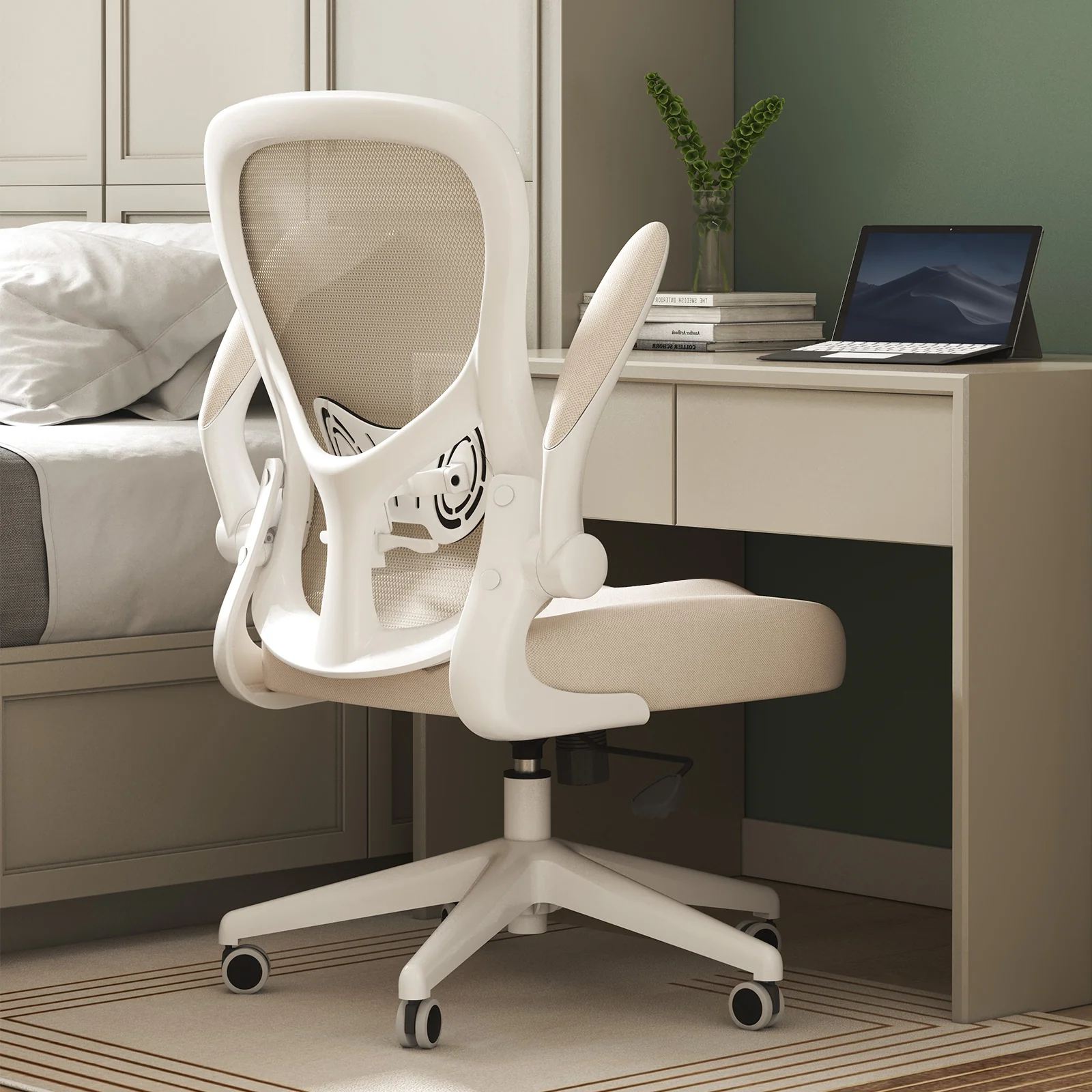
School-age children benefit from ergonomic chairs with adjustable height and lumbar support. These chairs often resemble mini office chairs, promoting good posture for writing, reading, and computer use. Some even come with footrests for added comfort.
Active Seating (All Ages)
Wobble stools and balance chairs have gained popularity for promoting active sitting. These allow kids to move slightly while staying seated, which can help with focus and prevent restlessness, especially for children who struggle to sit still for long periods.
What to Look for When Buying Kids Chairs in NZ
If you’re searching for kids chairs NZ, here are a few key factors to consider:
Durability
Kids’ furniture should withstand years of daily use. Solid wood, reinforced plastic, or high-quality metal frames offer the best longevity.
Easy Maintenance
Messes are inevitable. Chairs with wipeable surfaces or removable seat cushions make cleaning a breeze.
Eco-Friendly Materials
Many parents prefer sustainable options, such as chairs made from responsibly sourced wood or non-toxic, BPA-free plastic.
Portability
If the chair needs to be moved around frequently, consider a lightweight option with a carrying handle.
Investing in Your Child’s Future, One Chair at a Time
A good chair might not seem like the most obvious investment in your child’s future, but the reality is, it plays a major role in their daily comfort, posture, and health. By choosing the right kids chairs NZ, you’re not just furnishing a space—you’re creating an environment that supports better learning, better health, and better habits.
Whether your child is sitting down for a meal, an art project, or homework, their chair should be a space where they feel comfortable and supported. After all, great posture today leads to confident, healthy adults tomorrow.
So the next time you’re shopping for kids’ furniture, remember: the right chair is more than just a seat—it’s a foundation for a lifetime of good habits.