





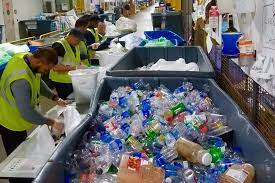
In an era where environmental sustainability holds unparalleled significance, the healthcare industry confronts a formidable challenge: reducing its vast waste footprint. As a specialist in medical waste management, I bring a unique perspective to this pressing issue. In Houston, a pioneering city in this domain, medical waste disposal practices are redefining industry standards, offering a blueprint for global healthcare providers.
The Complex Landscape of Healthcare Waste
Healthcare waste is a multifaceted problem, stretching beyond the disposal of medical items. It encompasses environmental, regulatory, and ethical dimensions. The World Health Organization’s reports reveal the enormity of this issue, with the healthcare sector generating substantial waste volumes yearly. Understanding and addressing these complexities is crucial in forging a sustainable path forward.
Pioneering Strategies in Waste Management
In the field of waste management, innovation transcends conventional disposal methods. It involves reimagining the entire lifecycle of healthcare products and services. Cutting-edge technologies like AI and IoT are instrumental in refining waste segregation and enhancing recycling processes. Research in the Journal of Environmental Management underscores AI’s role in diminishing waste via improved inventory management.
Join The European Business Briefing
New subscribers this quarter are entered into a draw to win a Rolex Submariner. Join 40,000+ founders, investors and executives who read EBM every day.
SubscribeCross-Industry Wisdom for Healthcare
The healthcare sector can gain invaluable insights from other industries regarding waste reduction. The manufacturing sector, for instance, has made significant advancements in lean management and just-in-time production. These principles, when adapted to healthcare, could revolutionize waste management. The Journal of Cleaner Production discusses how such methodologies have transformed waste handling in various industries.
Regulatory Frameworks and Compliance: Navigating the Legal Landscape
Navigating the intricate legal landscape of healthcare waste management is crucial for compliance and environmental stewardship. In the U.S., regulations like the Resource Conservation and Recovery Act (RCRA) and standards set by the Occupational Safety and Health Administration (OSHA) provide a framework for safe and responsible waste handling. Understanding these regulations is pivotal, as non-compliance can lead to significant legal and financial repercussions. The EPA’s guidelines, available on their official website, offer a comprehensive resource for healthcare facilities striving to align with federal standards.
Empowering Healthcare Professionals in Waste Management
The role of healthcare professionals in effective waste management is often underestimated. Training and empowering medical staff in waste reduction practices is a cornerstone of sustainable healthcare. Initiatives like waste segregation at the source and proper categorization significantly reduce the environmental impact. The Healthcare Environmental Resource Center provides valuable training resources that can be leveraged to educate staff on best practices, ultimately fostering a culture of environmental responsibility within healthcare institutions.
Optimizing Digital Health Records for Waste Reduction
The transition from paper-based to digital health records (EHRs) is a significant leap towards reducing healthcare waste. EHRs not only enhance efficiency and patient care but also substantially reduce paper waste. A study in the American Journal of Managed Care outlines the environmental benefits of EHRs, highlighting their role in diminishing the carbon footprint of healthcare facilities. Furthermore, platforms like HealthIT.gov offer insights and guidelines on effectively implementing EHR systems, thereby contributing to broader waste reduction efforts in the healthcare sector.
Sustainable Procurement Practices: A Key to Waste Reduction
Sustainable procurement practices in healthcare play a vital role in waste reduction. By choosing environmentally friendly products and engaging with responsible suppliers, healthcare facilities can significantly mitigate their waste output. The introduction of biodegradable, reusable, or recyclable medical products is a step towards sustainability. Resources like the Sustainable Procurement Guide by Practice Greenhealth offer comprehensive guidance on making eco-friendly procurement decisions, thus contributing to a reduction in the healthcare industry’s overall waste.
Green Technologies in Medical Waste Treatment
The adoption of green technologies in medical waste treatment is revolutionizing the industry. Innovative methods such as autoclaving, microwave treatment, and chemical disinfection are replacing traditional incineration practices, which are known for their high environmental impact. These technologies not only ensure safe waste disposal but also significantly reduce greenhouse gas emissions. For instance, the Environmental Science and Technology journal offers insights into the latest advancements in green waste treatment technologies, emphasizing their role in sustainable healthcare practices.
Community Engagement and Public Awareness
Engaging the community and raising public awareness about healthcare waste is vital for long-term success. Community programs and public campaigns play a critical role in educating citizens about the importance of responsible waste disposal and recycling. Initiatives like community collection drives for medical waste, such as expired medications, can significantly contribute to environmental protection. The World Health Organization’s community guidelines offer valuable strategies for effectively engaging the public in healthcare waste management.
The Economic Benefits of Waste Reduction
The economic implications of healthcare waste reduction are profound. Efficient waste management practices not only reduce disposal costs but also lead to savings through recycling and reusing materials. Investing in waste reduction technologies and practices can yield significant long-term financial benefits for healthcare facilities. The Journal of Cleaner Production provides a detailed analysis of the economic advantages of implementing sustainable waste management solutions in the healthcare sector.
Conclusion: A Unified Approach to Healthcare Waste Reduction
In conclusion, reducing healthcare waste is a multifaceted challenge that requires a collaborative and comprehensive approach. By integrating innovative waste management technologies, adhering to regulatory frameworks, empowering healthcare professionals, optimizing digital systems, and engaging the community, the healthcare industry can make significant strides towards sustainability. Additionally, sustainable procurement practices and the economic benefits of waste reduction further bolster these efforts. As exemplified by progressive practices in cities like Houston, effective healthcare waste management is not only an environmental imperative but also a pathway to operational efficiency and economic viability. This article, enriched with insights from various industries, aims to guide healthcare professionals and institutions towards a more sustainable and responsible future.


