





EBM NEWSDESK ANALYSIS-Nick Staunton, Editor-in-Chief
Clean tech, biotech, digital infrastructure and 130,000 SMEs. The expanded InvestEU programme is the EU’s most significant investment push since the programme launched — and it arrives at precisely the moment Europe needs it most.
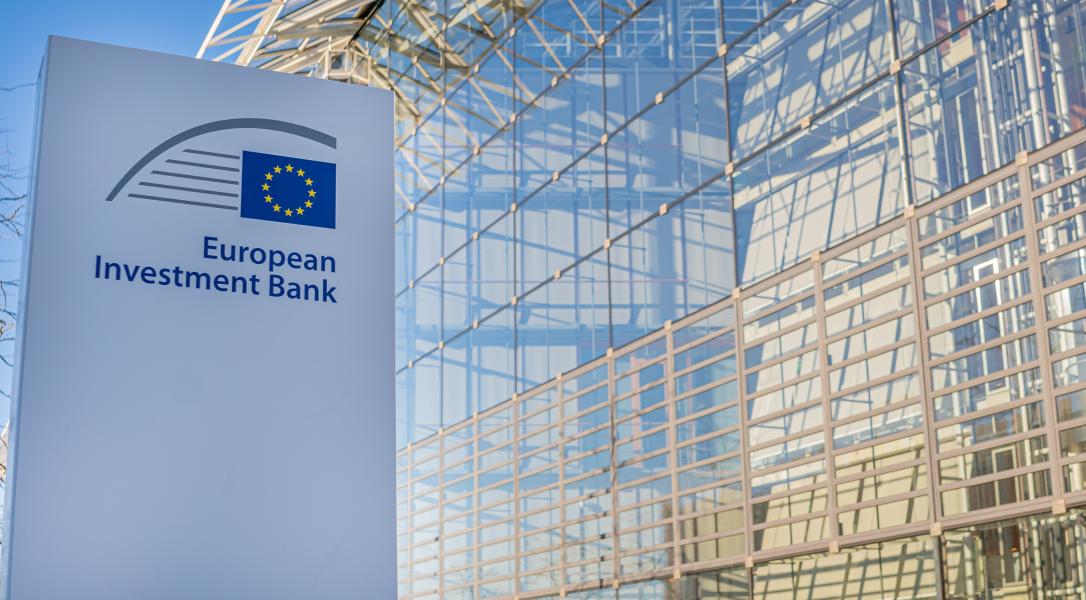
The European Commission and the European Investment Bank Group have signed an agreement adding €22 billion in strategic financing under the InvestEU programme. The expansion, which reflects the adoption of the Omnibus II regulation in December 2025, is expected to generate approximately €70 billion in total financial impact before the end of the current Multiannual Financial Framework — well above the €55 billion minimum target set under Omnibus II. The programme has already mobilised €400 billion in public and private capital since its inception.
The arithmetic behind the headline figure is the leverage ratio. EIB President Nadia Calviño put it plainly: every euro of guarantee from the European budget mobilises fifteen euros of investment in shared priorities. At a moment when Europe is simultaneously navigating geopolitical pressure from Washington and Beijing, building a domestic defence industrial base and attempting to close a fifteen-year technology gap with the United States, that multiplier effect is not incidental — it is the point.
Join The European Business Briefing
New subscribers this quarter are entered into a draw to win a Rolex Submariner. Join 40,000+ founders, investors and executives who read EBM every day.
SubscribeWhat the Money Is For
The newly allocated funds target four areas. Clean and biotechnology innovation sits at the top of the list, reflecting the Commission’s sustained commitment to the green transition and its growing recognition that biotech is a strategic industrial sector rather than a niche scientific one. Digital advancement — explicitly linked to technological sovereignty — is the second priority, directly connecting this programme to the European Technological Sovereignty Package announced earlier this month. High-potential start-ups and scale-ups form the third category, addressing the persistent gap between European early-stage innovation and the scaled, globally competitive businesses that gap too rarely produces.
The fourth element is the one with the broadest reach. More than 130,000 small and medium-sized enterprises are expected to benefit from enhanced access to financing under the expanded programme. SMEs account for the majority of European employment and a significant share of economic output. Their chronic underfinancing — relative to their American and Asian counterparts — is one of the structural weaknesses the Draghi competitiveness report identified as most urgently requiring policy intervention.
The Simplification Agenda
What distinguishes this expansion from previous iterations of InvestEU is the explicit commitment to reducing administrative burden. Commissioner Valdis Dombrovskis framed it as a core objective rather than a secondary consideration. All SMEs supported under the programme will benefit from streamlined processes, faster access to funding and reduced reporting requirements. For small businesses navigating European bureaucracy, those commitments — if delivered — represent a more meaningful change than the headline financing figures.
The Omnibus II regulation that underpins the amendment was specifically designed to address the complaint that European investment programmes are administratively heavy relative to their commercial impact. The theory is sound. European firms consistently cite regulatory complexity and funding access barriers as primary obstacles to growth at scale. If InvestEU can cut those barriers without compromising oversight, the leverage ratio improves further.
The Broader Context
The timing of this announcement is not coincidental. It arrives in the same week that the EU unveiled its tech sovereignty package, named China’s trade cancellations as a diplomatic signal and tightened sanctions on Russia. Each of these is a response to a different dimension of the same underlying challenge: Europe’s strategic and economic position in a world that has become structurally more competitive and geopolitically more dangerous than the one the EU’s existing institutions were designed to navigate.
Executive Vice-President Stéphane Séjourné articulated the stakes clearly. Europe will not secure its prosperity by standing still. The additional €5 billion under InvestEU — his specific reference within the broader €22 billion package — is intended to ensure that the next generation of European industrial champions is built, scaled and financed in Europe rather than acquired by American or Asian capital after European investors fail to back them at scale.
That is a diagnosis Europe’s venture capital community and policymakers have been making for years. InvestEU is the mechanism Brussels has chosen to do something about it. Whether the expanded programme delivers on its ambitions will depend less on the headline figures than on whether the simplification commitments translate into meaningfully faster capital deployment for the businesses that need it most.
The groundwork for the next InvestEU instrument — to be incorporated into the forthcoming European Competitiveness Fund under the next Multiannual Financial Framework — is also laid by this amendment. The current expansion is, in that sense, both a programme and a prototype.
“Every euro of European budget guarantee mobilises fifteen euros of investment. In the current geopolitical context, InvestEU’s leverage ratio is not a financial metric — it is a strategic one.”
RELATED READS:
- Europe Wants Sovereign AI. Most of the Chips Are Still American. — The digital advancement pillar of InvestEU connects directly to the tech sovereignty package unveiled this month.
- Europe Has a Financing Problem: One in Four Mid-Sized Firms Are Shut Out — The SME financing gap InvestEU targets is the same structural problem this piece quantifies.
- Revolut’s $115 Billion Secondary Sale Mints Europe’s First Centicorn — The kind of European scale-up InvestEU wants to back more of. One exists. Brussels wants a generation of them.


