

























Temperature control plays a small but critical role in industrial operations, even if it is not always obvious at first. When conditions drift even slightly, equipment can struggle, products can spoil, and costs begin to climb faster than expected. Below, we’ll discuss what drives temperature performance in industrial settings, where things tend to go wrong, and what practical steps make control more consistent.
Understanding Temperature Requirements Across Industrial Environments
Temperature requirements can change drastically depending on the industry, and treating them the same is where problems usually start. A food facility cares about product safety, while a manufacturing plant focuses on supply chain management basics and maintaining stable output under varying conditions.
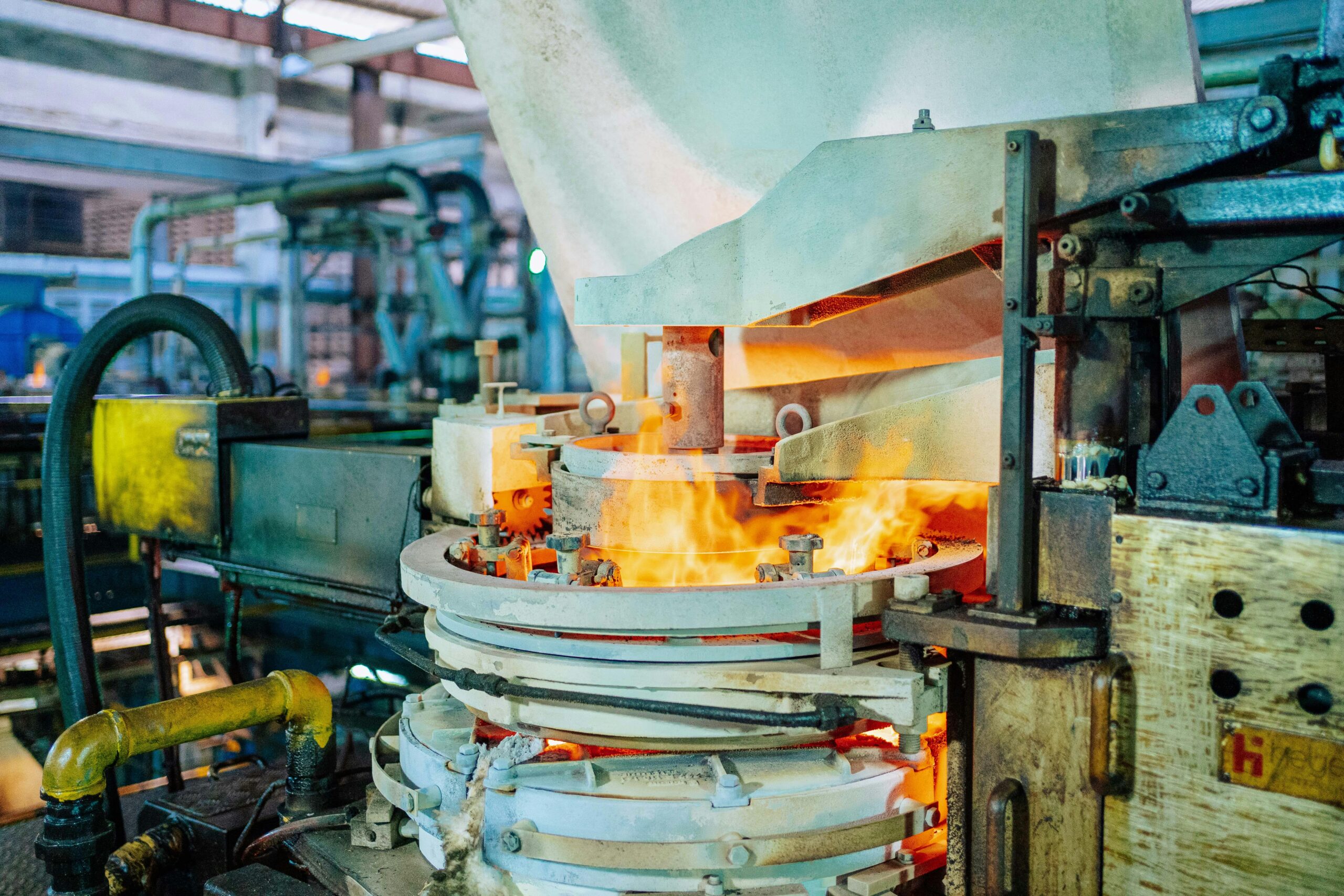
Even within the same building, conditions rarely stay uniform. Heat from machinery, airflow limitations, and storage density all shift how temperature behaves. What looks stable on paper can feel very different across the floor, especially during peak operating hours.
Join The European Business Briefing
New subscribers this quarter are entered into a draw to win a Rolex Submariner. Join 40,000+ founders, investors and executives who read EBM every day.
SubscribeSeasonal swings add another layer that many teams underestimate until they become urgent. Warmer months push systems harder, while colder periods create uneven heating zones. This is where solutions like Holt temperature control rental make sense, especially when permanent systems fall short.
Identifying Inefficiencies in Existing Temperature Control Systems
Most temperature problems build slowly through small gaps that go unnoticed. You might see minor fluctuations during the day, or systems running longer than expected without actually stabilizing conditions across the space.
A common issue is uneven distribution, where certain areas stay controlled while others drift outside safe ranges. This often links to equipment failing in extreme temperatures, especially when systems are not designed for harsher industrial conditions.
Another clear sign is energy usage that keeps climbing without a real increase in output. Systems start compensating for hidden inefficiencies, running harder to maintain targets. Over time, this puts pressure on equipment and shortens its usable life in ways that are easy to miss.
Implementing Flexible and Scalable Temperature Control Solutions
Rigid systems tend to work until something changes, and in industrial environments, something always does. Demand shifts, projects scale, and unexpected conditions appear, reflecting broader manufacturing shifts businesses face today across modern industrial operations.
Temporary and modular equipment allows teams to respond quickly without interrupting operations. When capacity needs increase or conditions shift, additional units can be deployed fast, adjusted on site, and removed once demand returns to normal.
Instead of investing heavily in permanent upgrades that may not fit future needs, teams can scale support up or down as required. That keeps costs predictable and avoids locking operations into systems that no longer match reality.
Leveraging Monitoring and Automation for Better Control
Good temperature control is not just about equipment, it is about knowing what is happening in real time. Sensors placed across key areas give constant feedback, which becomes critical as data centre power demand keeps rising with more complex industrial systems.
Automation takes that data and turns it into action without delay. Systems can adjust output, airflow, or cooling levels instantly when readings shift, keeping conditions stable without constant manual input. That consistency reduces errors that usually come from delayed human response.
The real advantage shows up over time, when patterns start to become clear. Teams can see where adjustments happen most often and fine-tune settings to avoid repeated corrections. That level of control keeps operations steady and removes unnecessary strain from systems.
Endnote
Optimizing temperature control comes down to understanding real conditions, spotting inefficiencies early, and choosing solutions that can adapt when things change. That ability to adjust without overcommitting is what separates stable operations from constant correction. When teams combine flexible equipment with real-time monitoring, they stay ahead of issues, reduce waste, and keep performance steady without relying on guesswork.