





























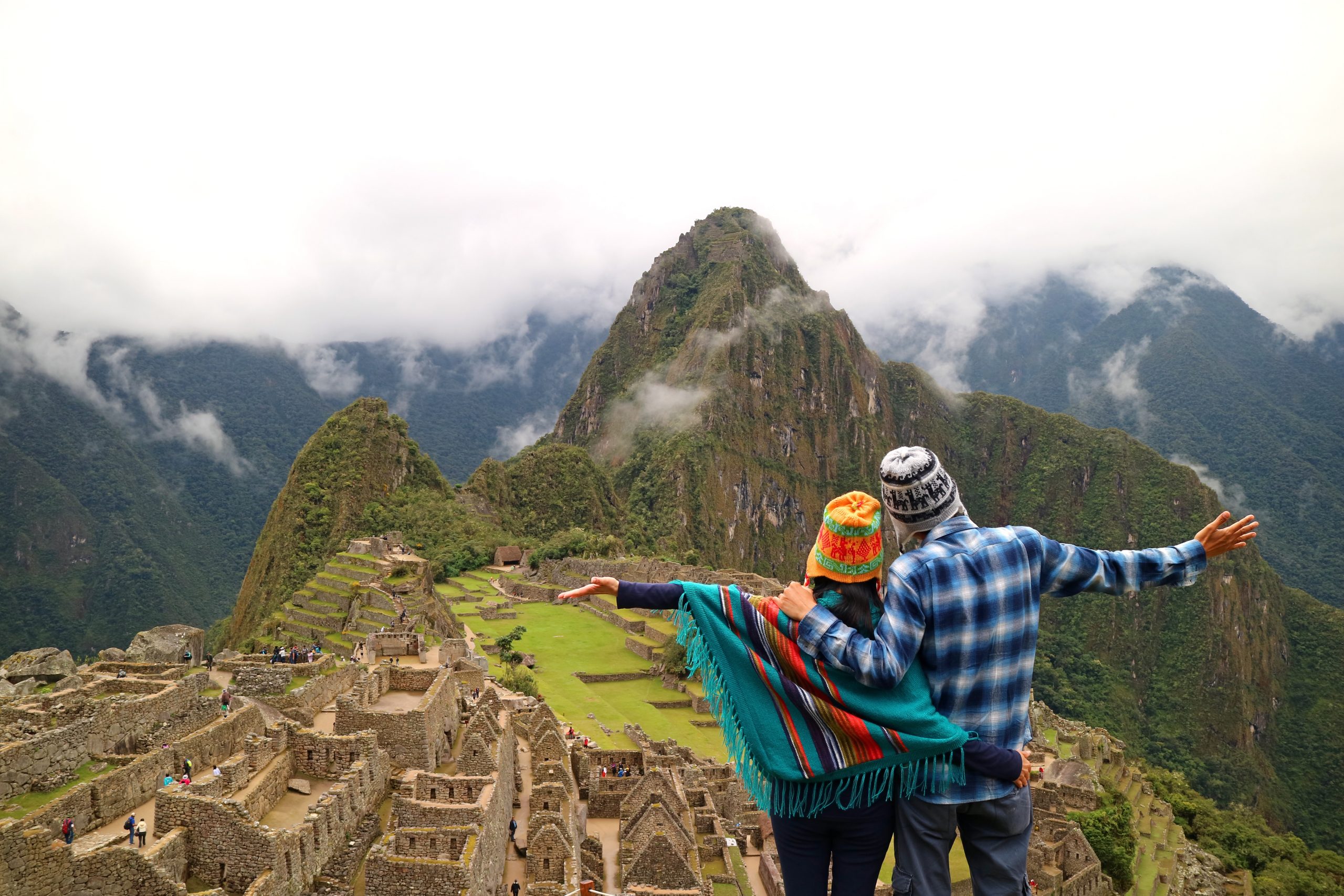

Machu Picchu, Peru’s iconic 15th-century Inca citadel, is a bucket-list destination for adventurers and history lovers alike. Nestled high in the Andes, this UNESCO World Heritage Site offers breathtaking ruins, stunning mountain views, and a glimpse into ancient civilization.
However, without proper planning, your dream trip could face challenges like overcrowding, altitude sickness, or missed permits. This guide provides smart travel tips to help you craft the ultimate Machu Picchu vacation.
Best Time to Visit Machu Picchu
Planning your Machu Picchu vacation starts with choosing the ideal time to go. The dry season (May–October) offers sunny skies and optimal hiking conditions, making it peak season. Book Machu Picchu vacation packages early to secure permits and guarantee your spot on bucket-list experiences like the Inca Trail for a seamless, magical journey.
Join The European Business Briefing
New subscribers this quarter are entered into a draw to win a Rolex Submariner. Join 40,000+ founders, investors and executives who read EBM every day.
SubscribeThe rainy season (November–April) brings lush landscapes and fewer crowds, but trails can be slippery. Shoulder months like April or November strike a balance with decent weather and lower prices.
Consider special events like the Inti Raymi festival (June) or winter solstice (June 21) for a unique experience. Whether you prefer vibrant festivals or serene exploration, timing your trip right ensures the best adventure.
How to Get to Machu Picchu
Reaching the Lost City of the Incas is an adventure in itself, with multiple scenic routes to choose from. Most travelers start by flying into Lima, followed by a short connecting flight to Cusco, the historic gateway to Machu Picchu.
The most comfortable and popular option is taking a train from Ollantaytambo or Poroy (near Cusco) to Aguas Calientes (Machu Picchu Pueblo). Two main operators, PeruRail and Inca Rail, offer services ranging from budget-friendly Expedition class to luxurious Hiram Bingham trains.
The famous Classic Inca Trail is a 4-day hike requiring permits that often sell out six months in advance. As an alternative, the Salkantay Trek offers a 5-day challenging route through stunning alpine scenery, while the Lares Trek combines cultural encounters with hot springs and mountain views.

Guided Tours vs. Independent Travel
Guided tours offer hassle-free Machu Picchu experiences with expert guides, handled logistics, and guaranteed Inca Trail permits (booked 8+ months ahead). Ideal for first-timers, packages often include extras like Sacred Valley tours.
Independent travel allows flexibility but requires securing permits, tickets, and transporting yourself. A hybrid option is booking just a Machu Picchu day tour for insights, then exploring solo. Choose tours for convenience (especially for treks) or go DIY for freedom, but note: Inca Trail permits sell out fast, making guided trips safer for peak seasons.
Where to Stay: Accommodation Guide for Every Budget
Your accommodation can make or break your Machu Picchu experience, with options ranging from luxurious eco-lodges to backpacker-friendly hostels. Aguas Calientes (Machu Picchu Pueblo) is the most convenient base, located just 30 minutes by bus from the ruins.
For a splurge, the Inkaterra Machu Picchu Pueblo Hotel offers elegant casitas nestled in cloud forest with private orchid trails. Mid-range travelers love Casa del Sol Machupicchu for its panoramic river views, while budget-conscious visitors opt for Pirwa Hostel near the train station. Staying here lets you catch the first buses up to Machu Picchu at 5:30 AM to beat crowds.
The Sacred Valley (Ollantaytambo/Urubamba) provides ideal acclimatization stops with stunning scenery. Adventure seekers can sleep in transparent capsules at Skylodge Adventure Suites, perched 1,200 feet up a cliff. For authentic charm, El Albergue Ollantaytambo offers cozy rooms beside the train station with farm-to-table dining.
Cusco works best for travelers wanting to immerse in Andean culture, though it’s farther. The luxurious Palacio del Inka, a converted 16th-century mansion, contrasts with lively budget options like Kokopelli Hostel, famous for its rooftop social scene.
Must-See Attractions & Hidden Gems
Beyond the iconic ruins of ancient civilization, Machu Picchu and its surroundings offer breathtaking sites that many visitors miss. No visit is complete without witnessing sunrise at the Sun Gate (Inti Punku), the original entrance to the citadel along the Inca Trail.
The Temple of the Sun, with its precision-cut stonework and celestial alignment, showcases Inca astronomical genius. Nearby, the Principal Temple and Sacred Rock reveal intricate masonry, while the Intihuatana Stone served as an ancient solar clock.
For panoramic views, hike Huayna Picchu (the steep mountain behind the ruins) or Machu Picchu Mountain (a longer but less crowded alternative). The Inca Bridge, a hidden cliffside pathway, offers a thrilling (and vertigo-inducing) detour.
Extend your trip with visits to Ollantaytambo, a living Inca village with a massive fortress, and the Maras Salt Mines, where thousands of terraced pools have harvested pink salt since pre-Columbian times. The circular ruins of Moray, believed to be an Inca agricultural laboratory, are another fascinating stop.
Packing Smart for Machu Picchu
Pack for variable mountain weather: moisture-wicking layers, waterproof jacket, broken-in hiking boots, and sun protection. Essential gear includes a 25-30L daypack, trekking poles, a headlamp, and a rain cover. Bring meds for altitude illness, water purification, and blister care.
Skip jeans (slow-drying), umbrellas (useless in wind), and valuables. Use waterproof dry sacks – sudden rain is common. Inca Trail hikers must limit porter-carried bags to 7kg.
Ticket Strategies
Timing matters. Visiting in November rather than peak season (June) can save 20% on entry fees. Students with ISIC cards get 50% discounts (must present physical card).
Consider skipping pricey mountain add-ons like Huayna Picchu. The included Machu Picchu Mountain hike offers equally stunning views at no extra cost.
Bottom Line
Machu Picchu is a journey through history, nature, and adventure. Careful planning ensures a seamless and magical experience, from choosing the best time to visit and securing permits to selecting the right transportation and accommodations. Remember to acclimate properly, respect the site’s preservation, and soak in every breathtaking view.