





























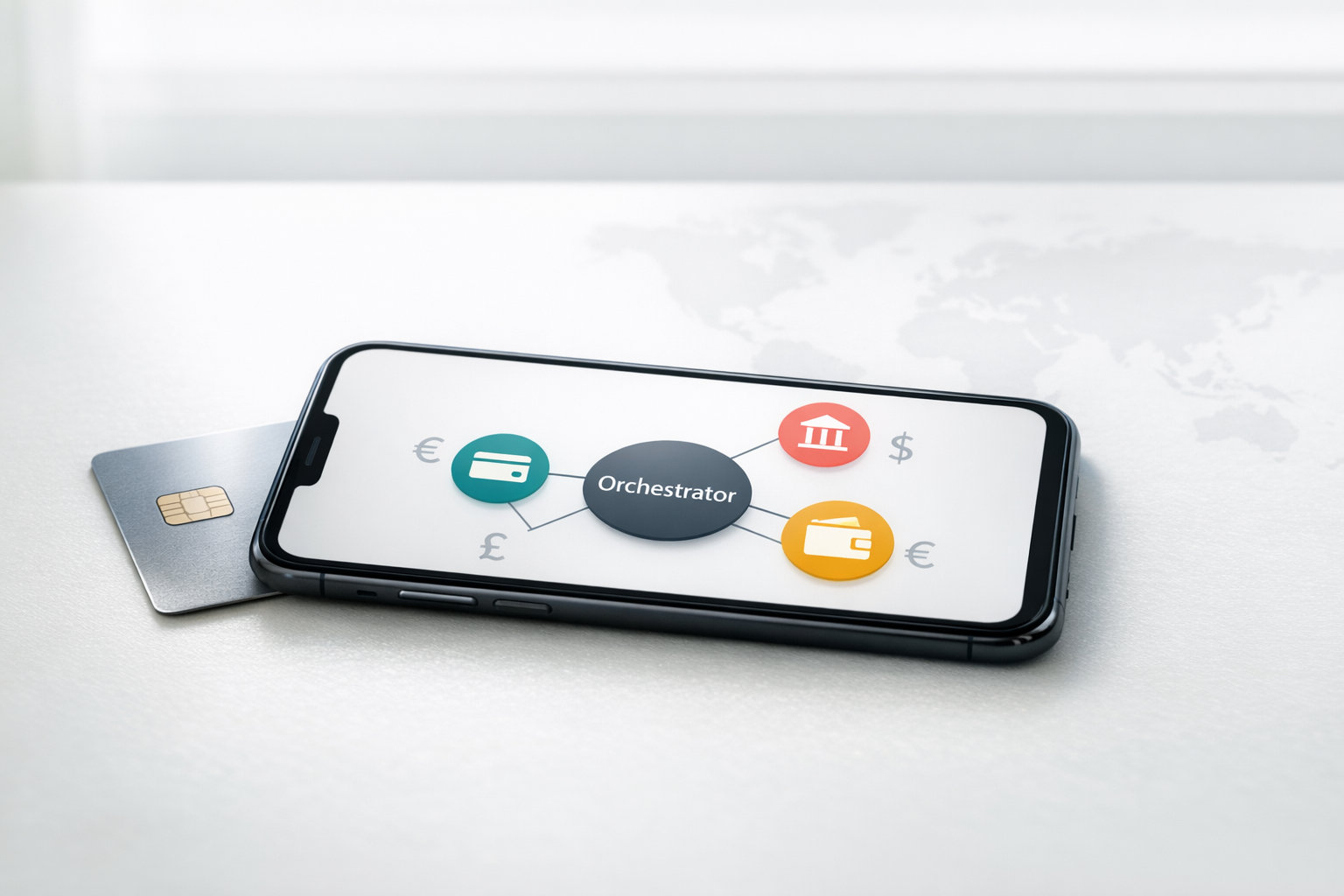
European businesses seeking cross-border expansion are encountering new complexities in payments management. Fragmented integrations, rising regulatory demands, and shifting consumer preferences often hinder seamless international growth. Payment orchestration platforms are emerging as critical tools for overcoming these challenges and unlocking new opportunities across markets.
As companies broaden their reach beyond domestic borders, they must process payments in multiple currencies, navigate diverse regulations, and support local payment methods. Managing this landscape demands more than simply plugging into additional providers; it requires a coherent strategy for consolidating payment infrastructure. A payment orchestration platform centralizes payment flows, minimizes confusion from legacy setups, and makes it easier to adapt to dynamic demands of international commerce. This unified approach positions businesses to meet customer expectations and scale efficiently in unfamiliar markets.
Navigating the challenges of cross-border payments
Expanding internationally exposes organizations to complexity beyond familiar domestic processes. Each target country often comes with unique payment preferences, such as local cards, bank transfers, or e-wallets, alongside compliance obligations that can significantly complicate operations. Without a centralized orchestration solution, businesses must maintain separate integrations and reporting systems for each region, amplifying the risk of errors and inconsistencies in transaction data.
Join The European Business Briefing
New subscribers this quarter are entered into a draw to win a Rolex Submariner. Join 40,000+ founders, investors and executives who read EBM every day.
SubscribeRecent KPMG research on payments modernization highlights how strategic partnerships between banks, retailers, and technology providers are becoming essential to address regulatory hurdles and legacy infrastructure challenges.
Manual reconciliation across channels, currencies, and providers can slow down financial processes, reduce visibility, and lead to discrepancies in settlement. Changes in regulations or consumer behavior in one market can quickly add new technical demands, making it challenging for businesses to keep up. These inefficiencies can erode profitability, especially as transaction volumes and geographic reach expand with cross-border ambitions.
The role of payment orchestration in simplifying international expansion
Payment orchestration platforms act as an intelligent layer between organizations and the global payment ecosystem. By aggregating connections to banks, processors, and alternative payment methods, these platforms create a standardized interface for managing diverse transactions. Rules-based routing, unified data reporting, and support for local requirements help automate processes that would otherwise become cumbersome during international rollout.
As McKinsey’s 2025 Global Payments Report notes, merchant payments providers must evolve toward autonomous payment infrastructure — incorporating smart routing, real-time capabilities, and dynamic optimization to succeed in increasingly fragmented and cross-border environments.
Businesses can optimize settlement routes, leverage smart retry systems, and access consolidated transaction monitoring across borders. This operational model allows organizations to respond swiftly to local trends, introduce new payment options without extensive reengineering, and gain clearer insight into overall performance. Harmonizing preferences, tokens, and reporting also aids compliance and simplifies finance operations, crucial for organizations scaling in multiple countries.
Operational benefits for finance and technical teams
For finance teams, payment orchestration delivers unified reporting and reconciliation across all markets and channels. Standardizing data from disparate sources streamlines processes, reduces manual intervention, and limits errors associated with incompatible file formats or mismatched transaction references. This is particularly valuable at scale, where efficiency can have a direct impact on global margins.
Technical teams benefit from the modularity of orchestration platforms. Integrating payment providers through a central hub reduces the engineering workload required to support new regions or payment types. Flexible APIs and unified frameworks ensure that adding support for additional payment instruments or countries is not a resource-intensive project, enabling faster rollouts and a more agile response to changing business needs.
Building resilience and managing risk during cross-border growth
Centralizing payments through orchestration helps businesses standardize risk management and data security practices. Transaction monitoring, tokenization, and access controls can be enforced uniformly, regardless of region or provider, reducing the likelihood of compliance gaps. Regular assessments of platform resilience and uptime become even more critical as dependency on the orchestration layer increases.
Companies must also remain vigilant regarding evolving regulations in target markets, such as data protection laws and audit requirements. Selecting orchestration platforms with robust reporting, performance analytics, and scalability supports proactive compliance and business continuity. As organizations look to scale, robust oversight and flexibility in payment flows are vital for sustainable cross-border growth and long-term competitiveness.