



























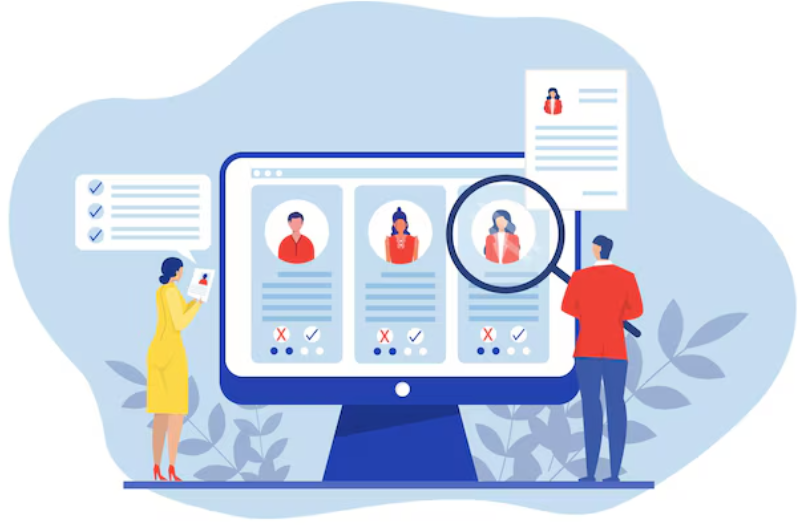
Have you seen how hiring feels a lot more active, open, and people-focused now than before?
That change is happening for a simple reason. Work itself has changed. Teams are growing in new ways, job roles are becoming more specific, and people now connect, apply, and communicate through many channels. Because of that, hiring is also moving in a fresh direction. It is becoming faster, clearer, and more suited to real needs.
Today, hiring is not only about filling one open role. It is also about finding the right fit, creating a smooth experience, and building a strong team for the long run.
Join The European Business Briefing
New subscribers this quarter are entered into a draw to win a Rolex Submariner. Join 40,000+ founders, investors and executives who read EBM every day.
SubscribeMany employers now use a mix of human judgment, clear processes, and digital support to make better decisions. This approach saves time, keeps things organized, and helps everyone feel more comfortable.
The nice part is that this shift is opening more doors for both companies and job seekers. It gives teams more ways to connect with skilled people, and it gives candidates more chances to show what they can do.
Hiring Is Becoming More Flexible And Human
Hiring today is changing in a way that feels more natural. Teams are not stuck with one fixed method anymore. They can use different steps for different roles, and that helps them stay closer to what people actually need.
People Want More Than A Simple Job Match
A job match is now about more than skills on paper. Employers also look at communication style, work habits, learning ability, and how a person may fit into the team.
Conversations Matter More In Modern Hiring
Good hiring now includes open communication. Candidates like to know what the role looks like, what the team expects, and what the work culture feels like. Employers also value honest conversations because they help them understand how a person thinks and works.
Hiring Can Now Support Different Work Styles
Many teams now hire for office roles, remote roles, project-based work, and flexible contracts. That means hiring methods have also become more open and practical.
Technology Is Helping Hiring Become More Clear
Technology has added more order to hiring. It helps teams keep track of applications, compare profiles, set interview steps, and stay in touch with candidates in a timely way.
Better Tools Help Teams Stay Organized
When many people apply for one role, keeping everything in one place is very useful. Hiring teams can review details, note feedback, and move candidates through each stage with more clarity.
Some teams also use an AI recruiting platform to sort information, support shortlisting, and make the early stage more structured. Used with care, it can help people focus on real conversations and better decisions.
A few useful points of modern hiring tools are:
- Clear candidate tracking
- Faster profile review
- Better team coordination
- Easy scheduling support
- Smooth follow-up communication
Data Can Support Better Hiring Choices
Hiring teams now have access to useful details like response rates, interview progress, skill match, and role requirements. These details help them understand what is working well.
Digital Support Makes Candidate Experience Better
A smooth process leaves a good feeling. Quick updates, simple forms, and clear next steps show respect for a candidate’s time. This matters a lot.
When communication is easy and timely, people feel valued. That creates a positive hiring experience from the start.
Teams Are Building Talent Pipelines Instead Of Waiting
Many employers now prefer to stay connected with skilled people even before a role opens. This is a smart and practical move. It keeps hiring active and ready.
Instead of starting from zero each time, teams now build talent pools, keep useful profiles, and return to good matches when needed.
Talent Pools Help In A Practical Way
A talent pool is simply a group of people who may fit current or future roles. This makes hiring more prepared and calm.
For example, a team may meet a strong candidate for one role, and later find that the same person fits another opening even better. This helps both sides because the connection is already there.
Hiring Is Now More Relationship-Based
People remember kind and clear hiring experiences. When a company stays in touch with candidates in a respectful way, it creates trust.
Modern Processes Support Ongoing Search
Hiring no longer needs to happen only when there is an urgent opening. Teams can keep learning about available talent, current skills, and changing role needs.
In some cases, employers also review options through resources such as https://mellow.io/ to understand how digital hiring support is changing.
The main point is not promotion. The main point is that many teams now study newer hiring systems to keep their process current and well-organized.
Skills, Potential, And Fit Are Getting More Attention
A very positive change in hiring is that people are now being seen in a fuller way. Teams often look at present ability, future growth, and role fit together.
Skills-Based Hiring Is Growing
Many employers now focus on what a person can do in practical terms. They look at project work, communication, problem-solving, and real output.
Potential Matters Along With Experience
Experience is useful, but potential is also important. Someone may have a strong learning ability, the right attitude, and a clear interest in the role. These things matter a lot in current hiring.
Team Fit Is Being Viewed With More Care
Team fit does not mean everyone should be the same. It means people can work well together, communicate properly, and support shared goals.
That is why many hiring teams now spend more time understanding work style, values, and collaboration habits. It helps create a more comfortable and productive setup.
Hiring Is Also Becoming Faster Without Losing Care
Speed matters in hiring, but so does thoughtfulness. The positive news is that modern methods now support both.
Teams can move ahead with clear stages, quicker coordination, and better planning, while still giving proper attention to each person.
Clear Steps Make The Process Easy To Follow
When hiring has clear steps, everyone benefits. The employer knows what comes next, and the candidate also feels informed.
A simple flow often includes:
- Role planning
- Candidate search
- Profile review
- Interview rounds
- Final discussion
- Offer and onboarding
Faster Communication Builds Trust
A short update can make a big difference. When candidates hear back on time, it creates a good feeling. It shows that the company respects their effort.
Good Hiring Today Balances Speed And Quality
Modern hiring does not need to rush. It simply removes extra delay. With better planning and digital support, teams can act on time and still keep the process thoughtful.
Conclusion
Hiring processes are evolving beyond traditional methods because work, people, and team needs have all changed in a positive way. Employers now want hiring that is clear, organized, flexible, and people-focused. Candidates also value open communication, smoother steps, and a process that sees their real strengths.
This shift is making hiring more practical for current needs. It supports better planning, stronger connections, and more informed choices. In simple words, hiring is becoming less about routine and more about real fit, real communication, and real teamwork. That is why modern hiring methods continue to move forward with confidence and purpose.