



























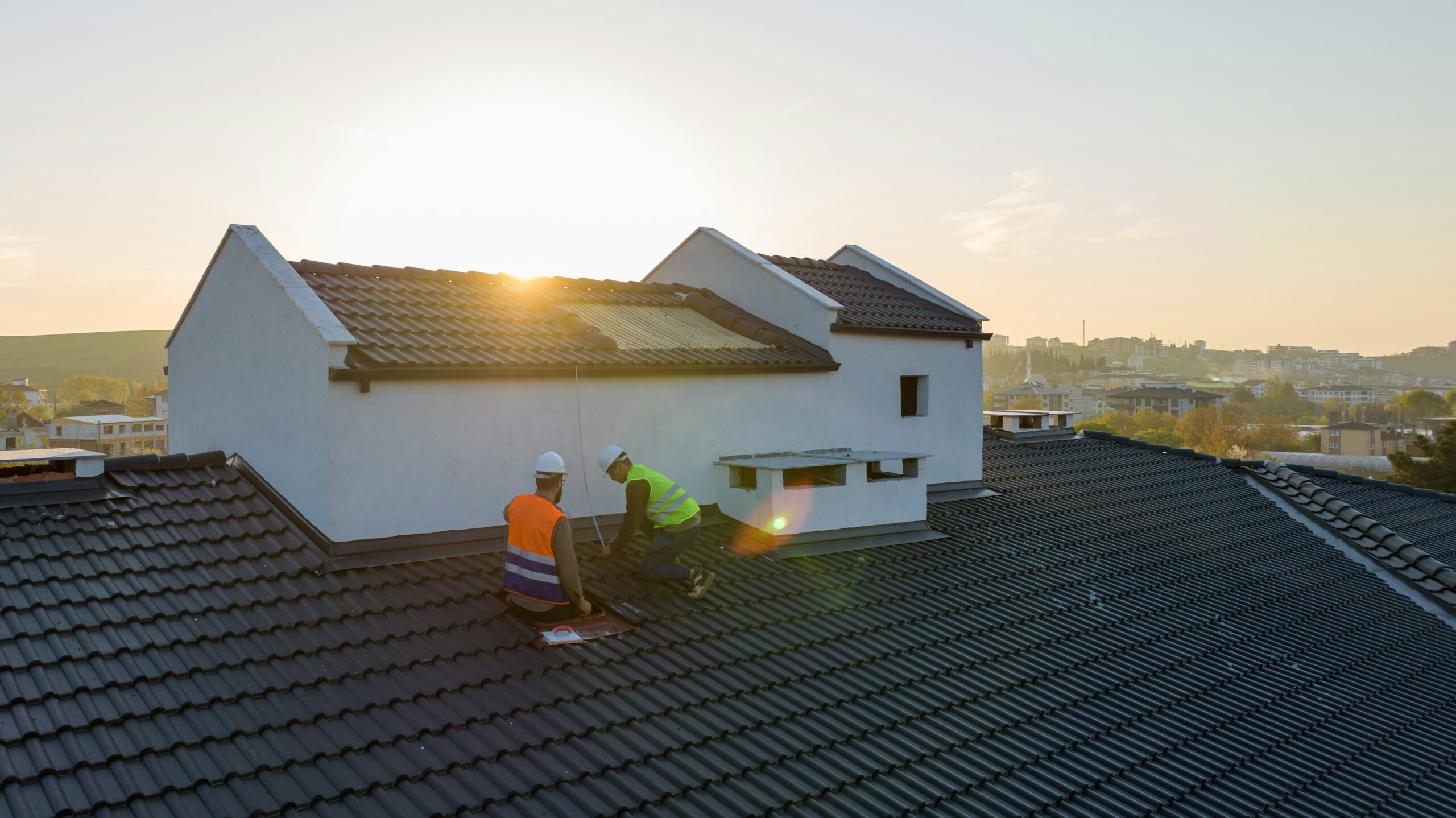
Dallas sits in the crosshairs of some of the most destructive weather in North America. The Dallas-Fort Worth metroplex averages six to eight significant hail events every year — and major storms in 2016, 2019, 2022, and 2024 each produced more than one billion dollars in property damage across the region. For homeowners in Dallas and the surrounding DFW communities, roof repair is not a matter of if but when.
The scale of the problem became impossible to ignore after the June 2025 DFW hailstorm, one of the most severe on record, which produced hailstones measuring up to three inches in diameter. Tarrant County bore the worst of the damage, with rooftops, vehicles, and public spaces across North Texas left in disarray. According to insurance industry data, over one million Texas properties are affected by hail in a typical year — roughly 18 percent of all properties statewide. For Dallas homeowners, understanding how roof damage works, what the insurance claims process involves, and how to choose a qualified contractor can mean the difference between a swift, covered repair and a costly out-of-pocket ordeal.
Why Roof Repair Matters in Dallas and the DFW Region
Texas weather is relentless. The DFW area ranks as the number one hail-risk metropolitan area in the United States, a distinction that affects everything from homeowner insurance premiums to the longevity of roofing materials. Beyond hail, North Texas wind gusts regularly exceed 60 miles per hour during severe thunderstorm events, lifting shingles, compromising flashing, and creating pathways for water intrusion that compound over time.
Join The European Business Briefing
New subscribers this quarter are entered into a draw to win a Rolex Submariner. Join 40,000+ founders, investors and executives who read EBM every day.
SubscribeA damaged roof rarely announces itself with a single obvious failure. More often, the harm is incremental: granule loss from an asphalt shingle surface that goes unnoticed until the shingles begin to curl, a bruised ridge cap that slowly admits moisture through the winter months, a section of flashing that separates at a chimney base and channels rainwater into the attic. By the time a ceiling stain appears inside a Dallas home, the underlying structural damage may already be significant. Roofing professionals working in the DFW market consistently emphasize that prompt inspection — ideally within 72 hours after a severe storm — is the single most effective step a homeowner can take to contain costs and preserve insurance eligibility.
Common Roofing Issues in the DFW Area
Understanding the most frequent failure modes helps homeowners know what to look for after a weather event and what to communicate to a roofing contractor or insurance adjuster during the claims process.
Hail Damage and Granule Loss
Hail damage on asphalt shingles typically presents as small circular impact marks, often accompanied by granule loss — the fine aggregate that coats the shingle surface and protects the underlying fiberglass or organic mat from UV degradation. Minor roof damage can begin at hailstones measuring 1.25 inches in diameter. Severe roof damage, including shingle bruising and fiberglass exposure, is common from hailstones around 1.5 inches — roughly the size of a walnut. Homeowners who see granules accumulating in gutters or downspouts following a storm should treat this as an early warning sign that a professional inspection is warranted.
One diagnostic challenge with hail damage is that it can be mistaken for normal weathering or blistering, which occurs when volatile compounds in an asphalt shingle migrate to the surface. The key distinction: blistering removes asphalt, while hail impact leaves a dent without removing asphalt. An experienced contractor can distinguish the two during an on-site assessment, which matters significantly when documenting claims for insurance purposes.
Wind Damage and Lifted Shingles
North Texas thunderstorms frequently produce straight-line winds and rotational gusts capable of breaking the adhesive seal strips that hold asphalt shingles in place. Once a shingle edge lifts, it can catch subsequent wind and tear away entirely — or, more problematically, remain partially in place while creating an entry point for rainwater underneath. Wind damage is often concentrated along roof edges, rakes, and ridges, and may not be visible from the street. A walkable inspection or drone scan can identify compromised shingles that would otherwise go undetected until the next major rain event causes visible water damage inside the home.
Roof Leaks and Ceiling Stains
A ceiling stain is almost always a symptom rather than a cause. By the time water has traveled through a damaged roofing membrane, past attic insulation, and through ceiling drywall to create a visible stain, the actual entry point may be several feet away and the moisture damage to framing or insulation may already be extensive. Roof leaks in Dallas homes commonly originate at transition points — valleys where two roof planes meet, around skylights and pipe boots, and anywhere the roofing system interfaces with vertical surfaces. Left unaddressed, a persistent roof leak creates conditions for mold growth, which introduces both health and structural concerns that significantly expand the scope and cost of repair.
Flashing Failures
Flashing — the metal material used to seal joints around chimneys, skylights, vents, and wall intersections — is one of the most common failure points on aging roofs. In the DFW climate, the extreme heat of Texas summers followed by temperature drops and storm events accelerates the expansion and contraction cycle that loosens flashing over time. Cracked, lifted, or corroded flashing can channel significant water into a home during a heavy rain event even when the shingles themselves are in sound condition. Homeowners who have had a roof for a decade or more should include flashing condition in any routine inspection request.
Choosing a Qualified Roofing Contractor in Dallas
The DFW roofing market is large and competitive, which benefits consumers — but it also attracts less scrupulous operators. After major storm events, so-called “storm chasers” descend on affected neighborhoods: out-of-town or out-of-state contractors who follow damage patterns looking for quick business. Some accept deposits and move on before completing work, leaving suppliers unpaid and homeowners with unfinished jobs and no local recourse.
What to Look for in a DFW Roofing Company
A few baseline criteria help separate established local contractors from transient operators. Licensing and insurance are non-negotiable. Homeowners should request a certificate of insurance from any contractor before allowing work to begin; this document should confirm general liability coverage and workers’ compensation protection. Without it, a homeowner may be liable for injuries that occur on their property during the project.
Warranty coverage is another distinguishing factor. Any credible roofing contractor offers both a manufacturer warranty on materials and a separate workmanship warranty on the installation. Workmanship warranties typically run one to five years, though established local firms often provide longer coverage. Both warranties should be provided in writing before the project begins. A contractor unwilling to put warranty terms in writing should be a disqualifying signal.
BBB accreditation and an A+ rating from the Better Business Bureau is a useful benchmark, as it reflects the company’s track record on complaint resolution and business ethics. Review platforms — Google, Yelp, and industry-specific sites — provide additional context, though volume and consistency of reviews over time is more meaningful than a single rating snapshot.
Questions to Ask Before Signing a Contract
Beyond credentials, the conversation with a prospective roofing contractor should cover several practical questions: Does the company use in-house crews or subcontractors? What is the expected project timeline? How does the company handle cleanup and debris disposal? Will a project manager be on-site throughout the job or available by phone? For insurance-related repairs, does the company provide detailed photo documentation and assist with the adjuster process?
Red Flags to Watch For
Texas law makes it explicitly illegal for roofing contractors to waive or pay a homeowner’s insurance deductible. Any contractor offering to “eat your deductible” is not only engaging in a legally prohibited practice — it often signals that the underlying proposal is padded or fraudulent in other ways. Similarly, contractors who demand large upfront payments before any work begins, who pressure homeowners to sign documents on the spot without time to review, or who cannot produce a local business address or verifiable contact history should be approached with caution.
The Insurance Claims Process for Roof Damage in Dallas
Navigating a roof insurance claim in Texas requires attention to both timing and documentation. Most Texas homeowner policies include a filing window of approximately one year from the date of a qualifying storm event, though this varies by carrier and policy terms. Waiting too long to report damage — or failing to protect the roof from further harm after an event — can give insurers grounds to deny or reduce a claim.
The standard process begins with contacting the insurance provider to report suspected damage and request an adjuster inspection. Homeowners who have already obtained an independent assessment from a roofing contractor are in a stronger position during this process: a professional inspection report, supported by detailed photographs taken from the roof surface, gives adjusters specific damage evidence rather than general complaints. If more than 30 percent of a roof surface shows qualifying damage, many Texas insurers approve full replacement rather than partial repair.
Policy type matters significantly to the outcome. Policies that pay Replacement Cost Value (RCV) reimburse the full cost of repair or replacement after the deductible, without reduction for the age of the roof. Policies that pay Actual Cash Value (ACV) apply a depreciation factor based on the roof’s age, meaning older roofs yield lower payouts under ACV coverage. Homeowners uncertain about their policy type should confirm this detail with their insurer before an event occurs, not after.
Dane Roofing, a Dallas-based roofing contractor serving the DFW area since 2003, specializes in storm damage repair and insurance claim assistance for residential and commercial properties. The company carries an A+ BBB rating, holds more than 115 verified five-star reviews, and provides free roof inspections with detailed documentation designed to support the adjuster process — a meaningful advantage for homeowners navigating a claim for the first time. Their team offers 24/7 emergency tarping to prevent additional water damage while a claim is being processed. More information is available at danesroofing.com.
Emerging Trends in Roofing for Texas Homeowners
The roofing industry serving the DFW market has evolved in several notable ways over the past several years, driven partly by insurer requirements and partly by advances in materials and inspection technology.
Impact-resistant shingles — specifically Class 3 and Class 4 rated products — have moved from a niche option to a mainstream recommendation for Texas homeowners. Many insurance carriers now require Class 3 or Class 4 shingles before they will write a new policy, or offer premium discounts of 20 to 30 percent to policyholders who install them. The upfront cost premium over standard asphalt shingles is typically recovered through insurance savings within a few years, and impact-resistant products generally outlast standard shingles in the DFW hail environment.
Drone inspection technology has also changed how damage assessments are conducted. Contractors equipped with drones can safely document roof conditions across the entire surface — including steep-pitch sections that would be dangerous for a worker to access — and generate detailed photographic records in a fraction of the time required by traditional methods. This benefits both the accuracy of the initial assessment and the quality of documentation submitted to insurance carriers.
Metal roofing has gained ground in the Texas residential market as a premium option for homeowners looking for durability. Metal roofing systems are rated to last 50 years or more, compared to 15 to 30 years for standard asphalt, and are highly resistant to both hail and wind damage. The higher initial investment is increasingly appealing to homeowners who have cycled through multiple asphalt replacements after storm events.
Practical Steps for Dallas Homeowners After Storm Damage
Having a plan in place before a major storm event makes the post-storm response faster and more effective. The following sequence reflects the approach recommended by experienced DFW roofing professionals:
Document first. After a storm, take clear photographs and video of any visible exterior damage — to the roof surface if safely accessible from ground level, to gutters, fascia boards, downspouts, and any exterior fixtures. Capture time-stamped images as soon as possible after the event.
Schedule a professional inspection promptly. Contact a licensed local roofing contractor for an inspection within 72 hours of the storm if possible. The contractor’s written assessment creates an independent record of conditions at the time of damage that supports the insurance claim.
Contact your insurance provider. Report the damage and request an adjuster visit. Provide your contractor’s inspection report and photographs to the adjuster during their visit, and ask your contractor to be present during the adjuster inspection if feasible.
Arrange emergency protection if needed. If the damage has created an active leak or left the roof membrane exposed, emergency tarping prevents further water intrusion while the claim is processed. Many established Dallas roofing contractors offer same-day emergency tarping as part of their storm response services.
Review your policy terms before accepting a settlement. Understand whether your payout is calculated on an RCV or ACV basis, and confirm that the proposed repair scope reflects all documented damage before signing any settlement agreement.
Verify contractor credentials before work begins. Regardless of urgency, take the time to confirm that the contractor is licensed, carries appropriate insurance, and provides written warranty terms. A few hours of due diligence protects against the risk of incomplete work or post-project disputes.
Conclusion
Roof repair in Dallas is a practical reality for most homeowners in the DFW region, not a remote possibility. The combination of frequent severe weather, the highest hail-risk designation in the country, and the financial complexity of insurance claims makes it an area where preparation and informed decision-making pay measurable dividends. Homeowners who understand the most common damage types, know what to look for in a qualified contractor, and approach the claims process with documentation and awareness of their policy terms are consistently better positioned to achieve full, timely repairs at the lowest possible out-of-pocket cost. In a market that generates significant activity for both reputable local firms and transient operators, the difference between a good outcome and a poor one often comes down to the contractor selection decision made in the days immediately following a storm.