



























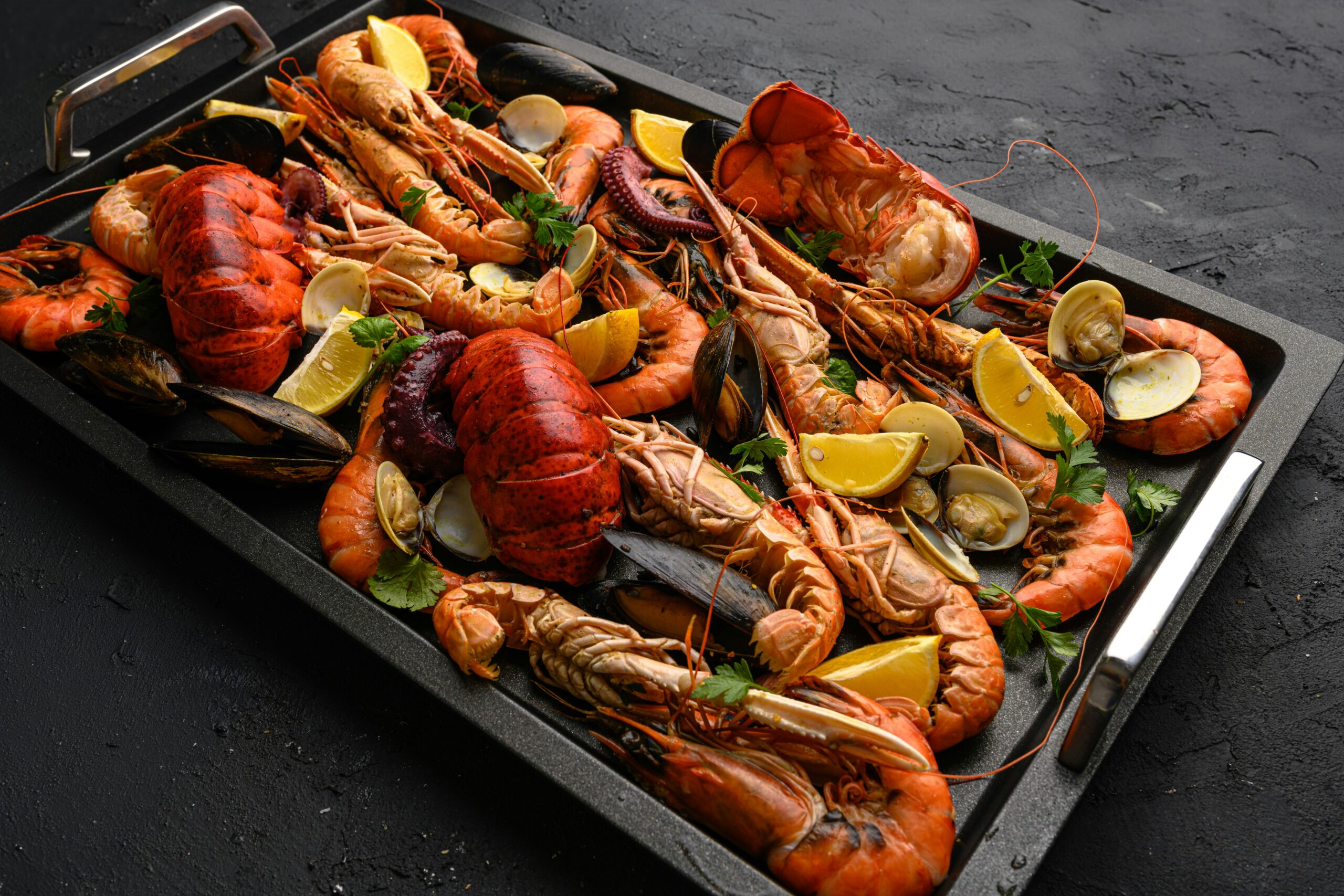
Running a seafood plant can be chaotic. One day you get a perfect catch, the next day you’re looking at mixed sizes, last-minute orders, and tight deadlines. Handling all that by hand often leads to bottlenecks and uneven output. That is why fish processing machinery matters now more than ever. With machines taking care of routine work from arrival to final pack out, you get steadier flow, cleaner work, and better consistency in output.
Why Automation Matters for Seafood Processing
When demand rises, and schedules tighten, manual trimming, washing, grading and packing start to crack under pressure. Skilled staff may try their best, but fatigue, rush, or volume spikes make mistakes likely. Output slows. Quality slips.
Automated fish processing machinery changes that. Machines run the repetitive tasks reliably. Teams don’t need to rush. The system stays steady regardless of daily fluctuations. As a result, you get predictable throughput, fewer surprises at the packing line, and fewer quality issues. For facilities preparing products for export or retail, that kind of stability makes all the difference.
Join The European Business Briefing
New subscribers this quarter are entered into a draw to win a Rolex Submariner. Join 40,000+ founders, investors and executives who read EBM every day.
SubscribeOnce automation is in place, fish processing becomes less vulnerable to staff shortages or busy shifts. From cleaning to trimming to final fish packaging, the process stays the same. That consistency helps plants meet standards, control costs, and deliver on time.
What Smart Fish Processing Machinery Delivers
Modern processing lines include conveyor-based fish descaling machines, automated trimming stations, filleting modules and pack-ready conveyors. A properly set up fish descaling machine ensures scales are removed evenly and safely without damaging flesh. This protects product integrity and reduces waste.
In addition, fish trimming and cutting tasks become more accurate and less labour intensive. Machines guided by sensors can trim fillets consistently and reduce manual errors or fatigue.
Using such equipment speeds up processing and reduces contamination risk. Standardised handling and processing improve quality control. This reliability is vital when you aim for consistent fish packaging or export grade output.
From Catch to Pack: Streamlined Fish Processing
A well designed processing line starts at product reception and ends with packed product ready for dispatch. With smart fish processing machinery, the workflow remains smooth and controlled. Raw fish arrives, is cleaned and descaled, trimmed and filleted or portioned, then sorted and packed. All of this is done under one integrated system.
For shrimp operations or onboard vessels, machinery adapted to small species or at sea conditions allows high quality processing immediately after catch. That avoids delays and preserves freshness from sea to shore.
When every step is automated and organised, throughput rises, human error drops and the line runs consistently regardless of volume. Whether production is small or large, the machinery adapts and keeps performance steady.
Safety, Hygiene, and Compliance – Made Easier
Processing seafood manually often involves repetitive labour in cold, wet and demanding conditions. That creates risks for product hygiene, worker safety and compliance with food safety standards.
Switching to automated fish processing machinery reduces those risks. With stainless steel construction, controlled cleaning and trimming steps and minimal direct handling, the machines help meet strict hygiene requirements. Workers avoid repetitive strain and exposure to hazardous conditions.
This shift improves working conditions and supports compliance with food safety rules. It is an increasingly important factor for suppliers to retail and export markets.
Return on Investment: Efficiency Gains and Long-Term Value
Implementing fish processing machinery is often more cost-effective than maintaining manual lines. Once in place, improved speed, reduced labour needs, and lower waste lead to faster return on investment. Predictable output and consistent fish packaging also support better planning and logistics.
Modern equipment is usually built in separate sections, so processors can add extra capacity whenever they need it. A setup that handles shrimp on board today can be extended for higher volumes later or adjusted for a shore-based plant. The idea is that you keep the same foundation, then scale it gradually as production changes.
Why Forward-Looking Seafood Producers Choose Automation
Today’s seafood buyers expect reliable quality and fast turnaround, which puts pressure on processors that still depend on manual work or older equipment. Plants that choose smart fish processing machinery are better placed to follow stricter requirements, keep production moving smoothly and supply customers who expect consistent results.
Automation is not simply a convenience. It is the backbone of efficient, safe, and scalable seafood processing. From a fish descaling machine to trimming tables and full processing lines, each component plays a role in modernising production and giving your business a competitive edge.
At the end of the day, investing in fish processing machinery is about more than a single machine. It is about building a reliable system that delivers high-quality seafood, protects workers, and supports sustainable growth.