



























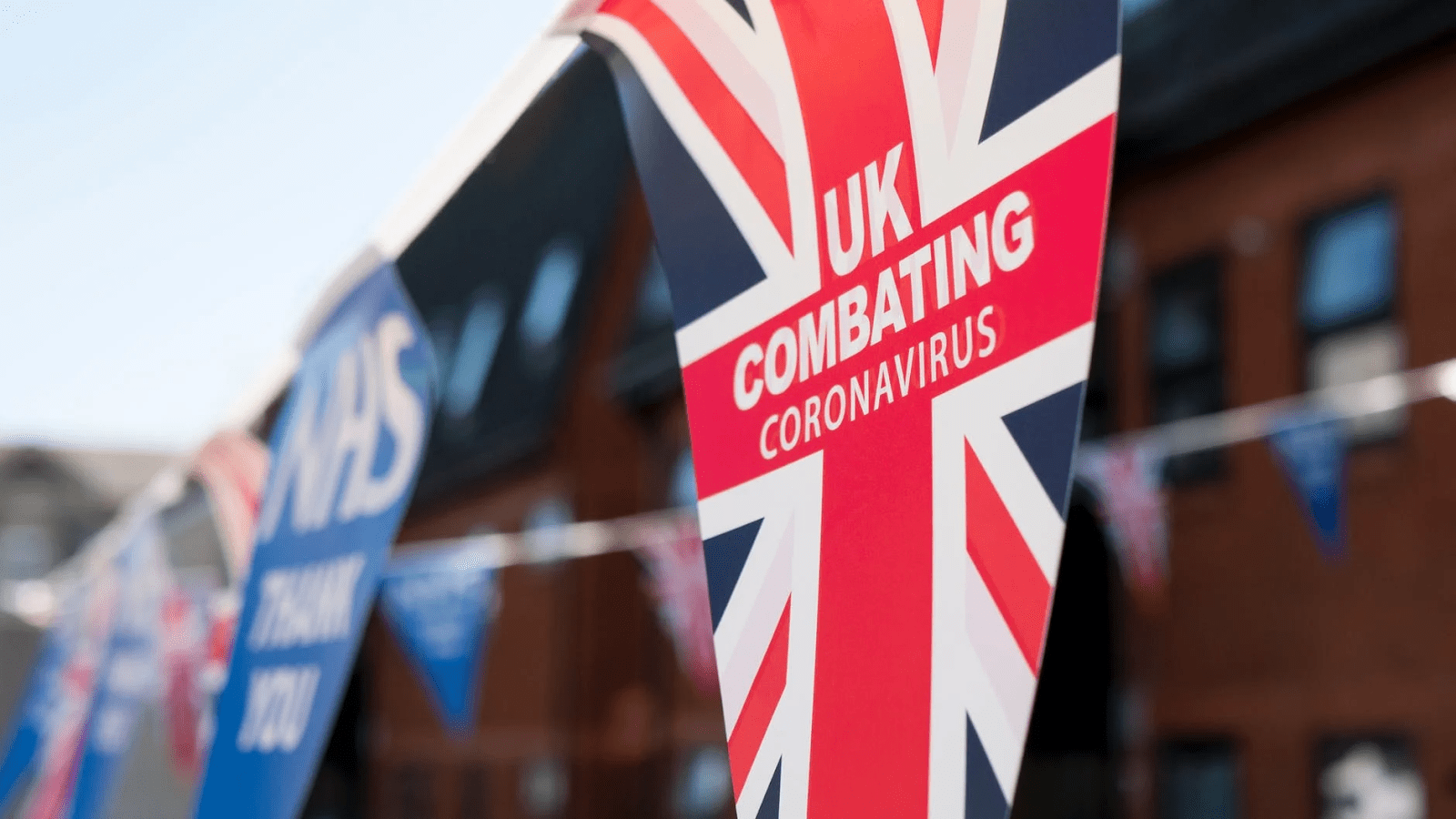
The rise of Covid-19 changed the landscape of the world dramatically in 2020. Whole countries closed down, and daily life as we knew it came grinding to a halt. And over a year later, plenty has changed. Governments have evolved to find new ways of living that allow people to experience some sense of normality.
But it’s a new normal. One where face masks and social distancing have become staples in social interactions. And while Covid has been brought under some form of control, that control seems unstable. As the virus mutates, it puts the new normal we’ve adopted in danger. Our frontline in the fight against Coronavirus, our hospitals, have exceeded expectations and dealt with the threat incredibly well given the circumstances.
Yet, even as cases continue to fall thanks to vaccinations, the NHS is still feeling the pressure.
Join The European Business Briefing
New subscribers this quarter are entered into a draw to win a Rolex Submariner. Join 40,000+ founders, investors and executives who read EBM every day.
SubscribeIn The Beginning
At the beginning of the pandemic, it was all hands on deck. Elected surgeries were put on hold. And procedures that put patients at risk of infection when immune systems were low were forced to wait until the worst had passed. We were asked to only go to A&E when absolutely necessary and seek advice from our GP’s first.
The focus of healthcare institutions became disease management. The public was asked to stay home as much as possible. Masks, social distancing, and working from home became the new normal.
And all these steps helped. The NHS was still under an exceeding amount of pressure, but it handled it the best it could.
In The Now
As vaccinations have helped bring rising infection rates under control, the world opened back up. And in the UK, Freedom Day was announced for England. While the other devolved nations were more cautious about announcing the reopening of normality. After 3 lockdowns, thousands of redundancies, and a growing mental health crisis, the public were understandably excited to hear the return of normalcy. But has that return to normality been misguided?
As expected, cases rose in England as its doors reopened. But, perhaps unexpectedly, those cases began to fall again. And the new cases seen were predominantly among the unvaccinated population. Because of this, a sense of hope has emerged. But the NHS is still under a lot of pressure, no matter how much political figures want to deny or brush it under the rug. The strain isn’t all down to new cases, though. We’re seeing the after-effects of the world being on hold in the health system.
Long Waits
The number of people waiting for specialist treatment has skyrocketed since the beginning of the pandemic. As of July 2021, just under 5.5 million people are waiting for treatment as a total figure. And as of April, 385,490 of those have been waiting for more than a year. Many patients have had their care deprioritised as the NHS tries to work through the massive backlog of patients who can’t wait any longer for care.
For cancer patients, the aim for 93% of people referred for specialist care within 2 weeks hasn’t been hit consistently since June 2020. But performance is improving. And the NHS is being spread thin as A&E numbers rise to pre-pandemic levels. This could be partly down to reopening, meaning more accidents happen. It’s also worth considering that the public see falling cases and assume the NHS is under less pressure. And so they’re less avoidant of using the services again.
Isolating Staff
Though the workload for the NHS is still huge, the virus is still around. People are still spreading it, and being on the frontline means the likelihood of being exposed is compounded. And being exposed means having to isolate in efforts to reduce further infectio But in the healthcare sector, that leads to less staff being available for work. Having to deal with the amount of work the NHS is currently seeing coupled with smaller staff numbers means the service is spread thinner. Working through the huge backlog has slowed down again when there aren’t enough people to make surgeries and treatments happen.
The Mental Health Pandemic
After over a year of being in and out of lockdowns, the uncertainty of futures and distance from loved ones has left many people experiencing mental health issues. Healthcare staff dealt with the same things while being on the frontline of a devastating virus. And often living in hotels alone as they try to keep their families away from harm.
Being back in the thick of it while the public continues their daily lives will leave many NHS workers feeling like they’re standing on a precipice. The likelihood of another wave is high as we move closer to autumn and as many people decide not to vaccinate. And the NHS staff might not have the physical or mental resilience to see this wave through. Because they’ve had to push through for so long.
From Here On Out
The NHS has risen to a challenge they shouldn’t have been forced to deal with, with grace, dignity and a whole lot of inner strength. However, there are many challenges ahead and many new problems to face.
The NHS have dealt with a lot of problems over the last 18 months. And they’ll have to deal with many more. Whether that be another instance of running out of Oxygen or finding new ways to deal with staff who have to isolate. Maybe they will have to consider a new Breathing Apparatus Supplier like they had to source more ventilators. Or they might have to create more marketing to encourage people to take up healthcare as a profession.
To run at maximum efficiency, the NHS needs support from both the public and the government. It’s easy to forget how incredible the National Health Service is when you’ve grown up with it. But it wouldn’t take long to regret not supporting it effectively now if it is pushed past breaking point.