





























Business leaders are increasingly aware that physical workspaces affect more than aesthetics; they impact performance, well-being, and staff retention. Companies searching for office furniture in London often ask:
- What kind of layout supports productivity?
- How can we adapt our space for hybrid working?
- Which design choices lead to a more motivated workforce?
These questions have become more urgent as businesses across the UK reassess their office strategies. Post-pandemic, many organisations are rethinking how and where people work. This article explores how the proper office setup can influence employee satisfaction, support operational goals and make the most of your London space.
Office Space Is Now a Strategic Tool
The office is no longer just a place where people clock in. It is key in shaping organisational culture, collaboration, and productivity. According to data from the British Council for Offices, 86% of UK workers said the office remains essential for collaboration, yet 62% expect a flexible work environment.
Join The European Business Briefing
New subscribers this quarter are entered into a draw to win a Rolex Submariner. Join 40,000+ founders, investors and executives who read EBM every day.
SubscribeThis dual expectation means businesses must create spaces catering to focused solo work and dynamic teamwork while keeping design efficient and cost-effective. That begins with layout and furniture choices.
What Office Design Can Tell You About a Business
The way an office is furnished says a lot about a company. Whether a space feels open or restricted, comfortable or clinical, can influence how employees think daily. Poor design often leads to lower morale, reduced output, and higher turnover.
Research from Leesman shows that only 57% of employees globally believe their workplace enables them to work productively. This is a clear signal that design decisions have practical consequences. Comfortable, well-organised spaces improve focus, while ergonomic setups reduce fatigue and long-term injury risk.
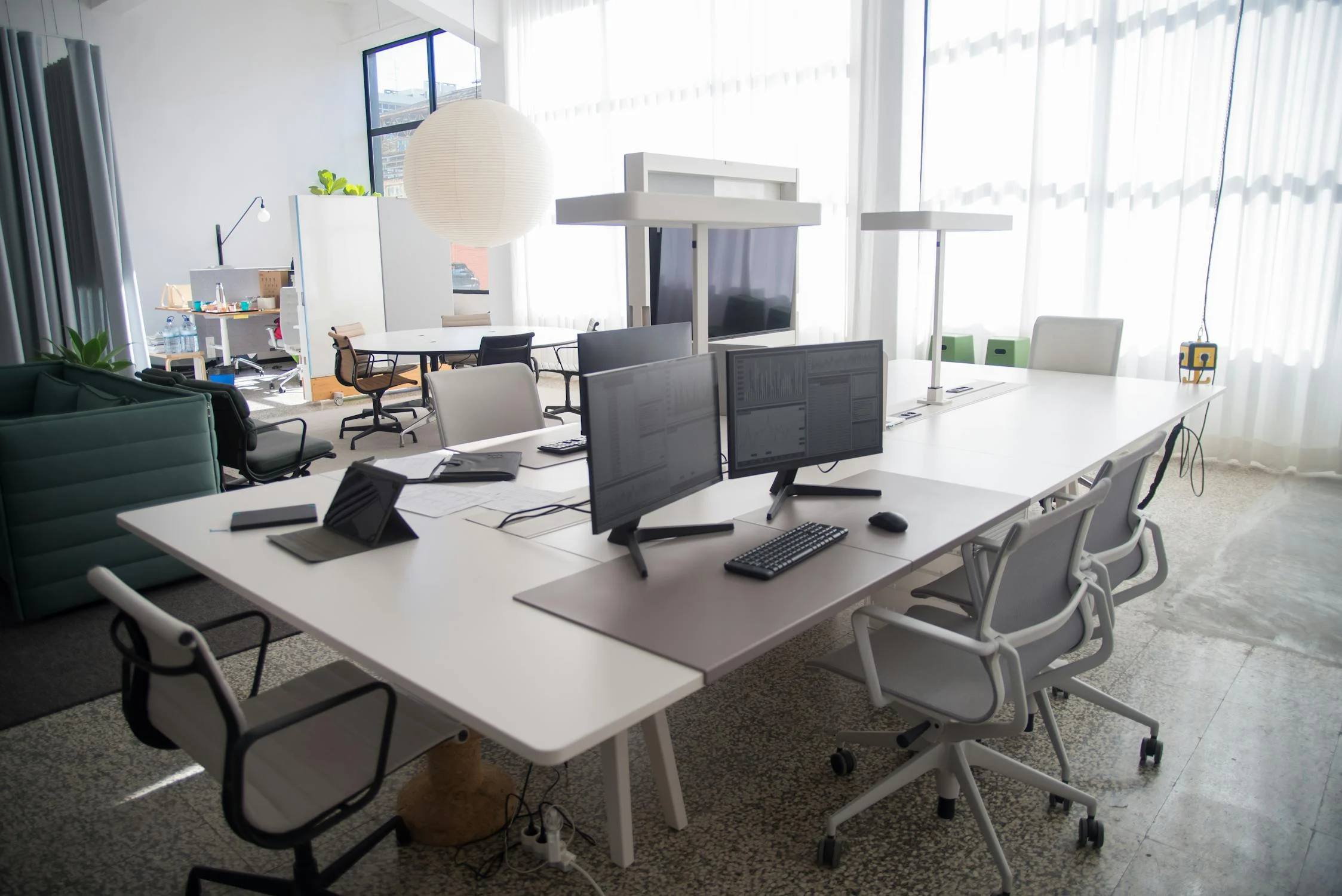
Businesses can work with office furniture providers in London to select pieces that reflect brand values and support modern working patterns.
Designing for Hybrid Work Without Wasting Space
Many London-based companies are shifting to hybrid or flexible models. With some employees working remotely and others coming in part-time, businesses face a new challenge: making the most of their office space without feeling empty or overbooked.
Modular furniture solutions, mobile desks and flexible meeting pods are becoming more common. These allow businesses to scale up or down depending on attendance without major refits.
Wise furniture choices include:
- Sit-stand desks for shared workstations
- Acoustic booths for virtual meetings
- Mobile storage units that serve multiple departments
This adaptable planning keeps costs low while offering employees the right tools, no matter how often they use the space. It also opens the door to cost-effective office cleaning solutions, since modular layouts and minimal clutter make it easier and more efficient to maintain cleanliness and hygiene across dynamic work zones.
Ergonomics Are No Longer Optional
Good ergonomic design is essential for reducing discomfort and preventing repetitive strain injuries. As people spend more hours at screens, the cost of poor posture rises for individuals and businesses managing absence and productivity issues.
Ergonomic furniture includes:
- Adjustable chairs with lumbar support
- Height-adjustable desks
- Monitor arms to maintain eye-level screen alignment.
- Footrests and wrist supports were needed.
Rather than offering a one-size-fits-all setup, consider allowing employees to adjust their space based on height, task and work habits. Companies that take ergonomics seriously often see a reduction in sick days and a boost in energy throughout the day.
Matching Design to Different Work Functions
Office space should reflect people’s tasks, not just provide desks and chairs. Quiet spaces for concentration, collaborative areas for group tasks, and informal spots for breaks all contribute to supporting productivity.
Effective planning includes:
- Sound-insulated rooms for calls and online meetings
- Communal tables to support idea sharing
- Casual lounges to encourage informal discussion
- Dedicated zones for deep work
The goal is to reduce friction in the working day. Employees should not have to “make do” with their environment. Instead, their surroundings should help them work more efficiently and comfortably.
Sustainability and Long-Term Value
As more organisations set sustainability goals, office fit-outs are also being scrutinised. Companies want to reduce waste, choose low-impact materials, and invest in durable furniture. Sourcing from responsible suppliers, using recycled materials, and refurbishing instead of replacing are all part of this shift.
Choosing office furniture from London-based providers also helps reduce transport emissions and supports local businesses. Many suppliers now offer buy-back schemes, reupholstering services and certified sustainable materials as standard.
Long-term value also comes from flexibility. Invest in furniture that can be reconfigured as your needs change, rather than requiring a complete replacement when your team grows or restructures.
Office Design and Employee Retention
The physical environment is increasingly tied to staff satisfaction. A poorly designed office can undermine company culture, while a well-considered one can make employees feel valued.
According to a 2023 CIPD study, 43% of UK workers who returned to the office said the workplace quality affected their decision to stay with their employer. Comfortable, clean and functional spaces send a clear message: you’re expected to do your best work, and we’ve provided the conditions to support that.
Each element plays a role in retention, from breakout zones to well-lit workstations. It’s not about luxury, it’s about relevance and comfort.
Practical Tips for Planning an Office Refresh
Before investing in new furniture or redesigning your space, consider the following:
- Survey your staff to understand how they work and what improvements they need.
- Audit your current space to identify unused or inefficient areas.
- Work with local suppliers who offer consultations and layout support.
- Prioritise modular and flexible pieces that can adapt as your team or needs shift.
By approaching design intentionally, companies can avoid unnecessary costs and align their environment with their culture and business goals.
Final Thoughts
Office design isn’t just about looks. It affects how people feel, how they perform and whether they want to return to the workplace. Wise investment in space planning and furniture is essential for companies that want to retain talent, support hybrid models and get more from their real estate.