































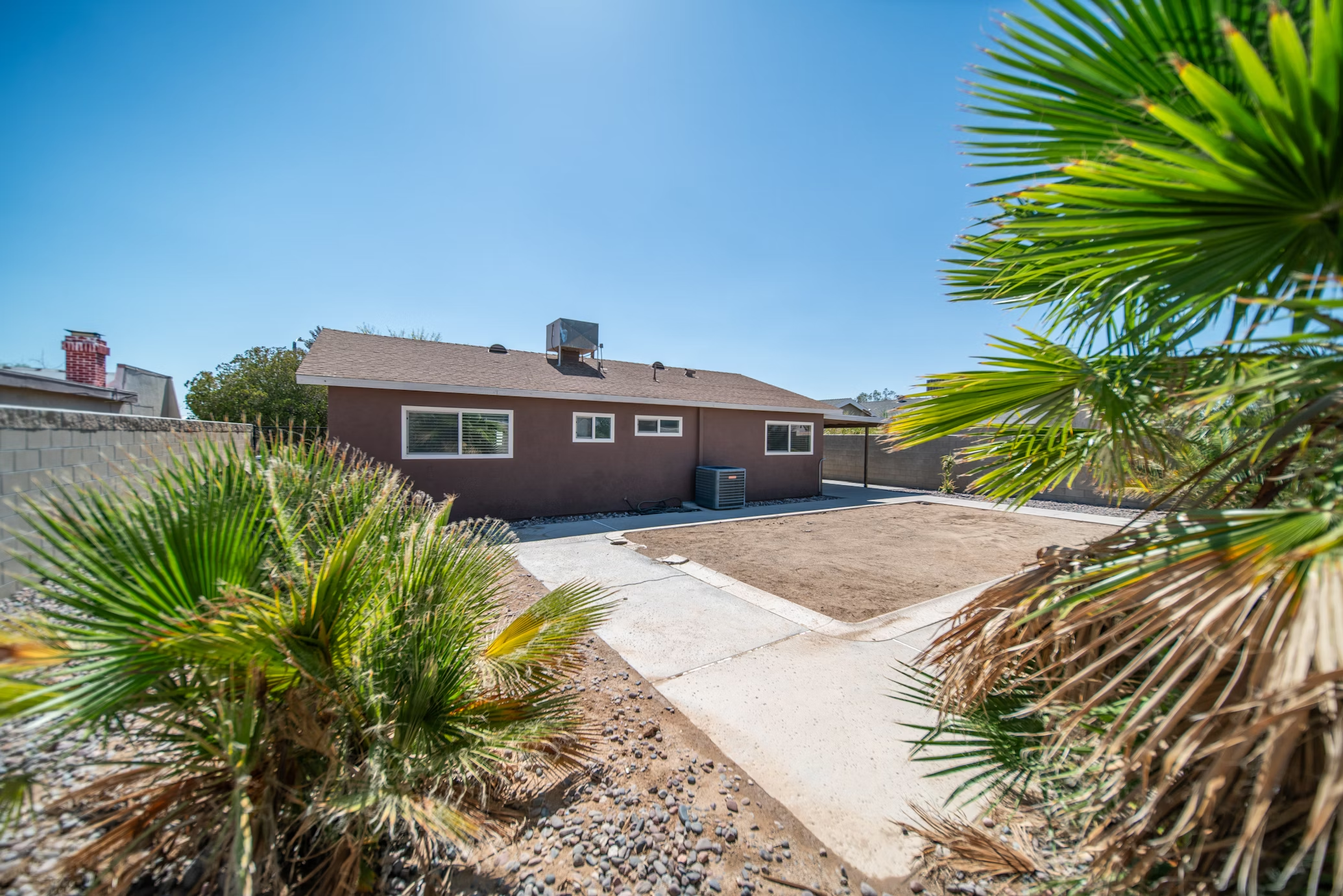
Garage demolition isn’t always an obvious choice – but in many cases, it’s the most practical one. Whether due to structural failure, modern lifestyle changes, or development plans, there are several compelling reasons why homeowners choose to demolish their garages. Knowing when and why it’s necessary can help you make a confident, informed decision.
Spotting Structural Problems
A garage is often one of the first structures to suffer from neglect. Exposed to the elements and typically built with less insulation or support than the main house, it can deteriorate faster. Crumbling brickwork, rotting timber, rising damp, and sagging roofs are common signs of structural compromise.
Join The European Business Briefing
New subscribers this quarter are entered into a draw to win a Rolex Submariner. Join 40,000+ founders, investors and executives who read EBM every day.
SubscribeIn some cases, it’s more economical to demolish and rebuild than to attempt patch repairs. A garage with subsidence or foundational cracks may no longer be safe. Older structures, especially pre-1980s, could also contain hazardous materials such as asbestos, which complicates repairs. If safety becomes a concern, demolition is usually the most responsible route.
Making space for modern living
Many homeowners no longer use their garages to park cars. Instead, garages have become cluttered storage spaces or sit empty altogether. As property needs change, the footprint occupied by an unused garage becomes an opportunity, not a burden.
You might want to extend your home, build a garden office, create off-street parking, or open up the garden. In these scenarios, removing the garage creates flexibility. And for growing families or remote workers needing more indoor space, this can improve how your home functions.
Dealing with planning rules
Demolishing a garage doesn’t always require planning permission, but that doesn’t mean you can skip the paperwork. Under UK law, if your garage is detached and under 50 cubic metres, you may be exempt – but there are caveats.
If the structure sits in a conservation area or is attached to a listed building, stricter rules apply. It’s essential to consult your local planning authority before beginning any work. Even if planning permission isn’t necessary, you may need a demolition notice, especially if the garage connects to utilities or drains.
Regional differences and local expertise
Demolition requirements can vary between councils. Factors like environmental protection zones, wildlife considerations, and neighbouring properties all influence what’s permitted and how work should proceed. In parts of the UK with designated National Parks or Areas of Outstanding Natural Beauty (e.g., sections of Devon, Cumbria, and Kent) planning restrictions can be more stringent than in non-designated areas.
Professionals in Cheshire demolition for example, can navigate a mix of rural regulations and suburban development pressures. That’s why residents may choose local, experienced experts. They understand both the technical and bureaucratic nuances, ensuring the job is done safely, legally, and with minimal disruption.
Weighing up property value
The impact of garage demolition on property value is nuanced. Some buyers view a secure garage as a selling point, particularly in cities where off-road parking is rare. Others prioritise extra garden space or the potential for home extensions.
Removing a garage won’t automatically increase or decrease value. It depends on what you do with the space. Turning it into a landscaped garden, home office, or an insulated annex can add considerable appeal. Before moving forward, you may want to consult a local estate agent to get a sense of what adds the most value.
Prioritising Safety and Sustainability
Demolition isn’t just about tearing down a structure. It involves careful planning and responsible execution. Hiring a certified contractor ensures that the job is completed safely, especially if hazardous materials are involved. This includes proper disposal, dust control, and utility disconnections.
Waste disposal must comply with environmental regulations. Reputable firms will recycle where possible and handle asbestos or electrical waste responsibly. Notifying neighbours and keeping them informed can also help avoid complaints or disputes during the project.
Last word
Garage demolition is sometimes a necessity. Whether your goal is to improve safety, unlock more living space, or prepare for a future development, knowing the right time to act is key. With proper planning, local insight, and professional help, you can turn a neglected garage into a new opportunity.






