





























EBM Weekend Read | London, 2 May 2026
Coca-Cola launched Dasani in the United Kingdom on 10 February 2004 with one of the largest non-alcoholic drinks marketing campaigns of the year. Thirty-eight days later, it was gone.
By 19 March, the entire UK supply was being recalled. Within weeks, Coca-Cola withdrew the brand, scrapped its planned European rollout, and absorbed an estimated £25 million in direct losses. The broader reputational impact was widely reported at the time to be significantly higher. More than two decades later, Dasani has never returned to Europe.
The episode has since become a widely cited case study in business schools and industry analysis — not because the product failed technically, but because the launch failed commercially and culturally. Five lessons from the collapse remain highly relevant.
Join The European Business Briefing
New subscribers this quarter are entered into a draw to win a Rolex Submariner. Join 40,000+ founders, investors and executives who read EBM every day.
SubscribeLesson 1: If it fails the dinner-party test, it fails the market
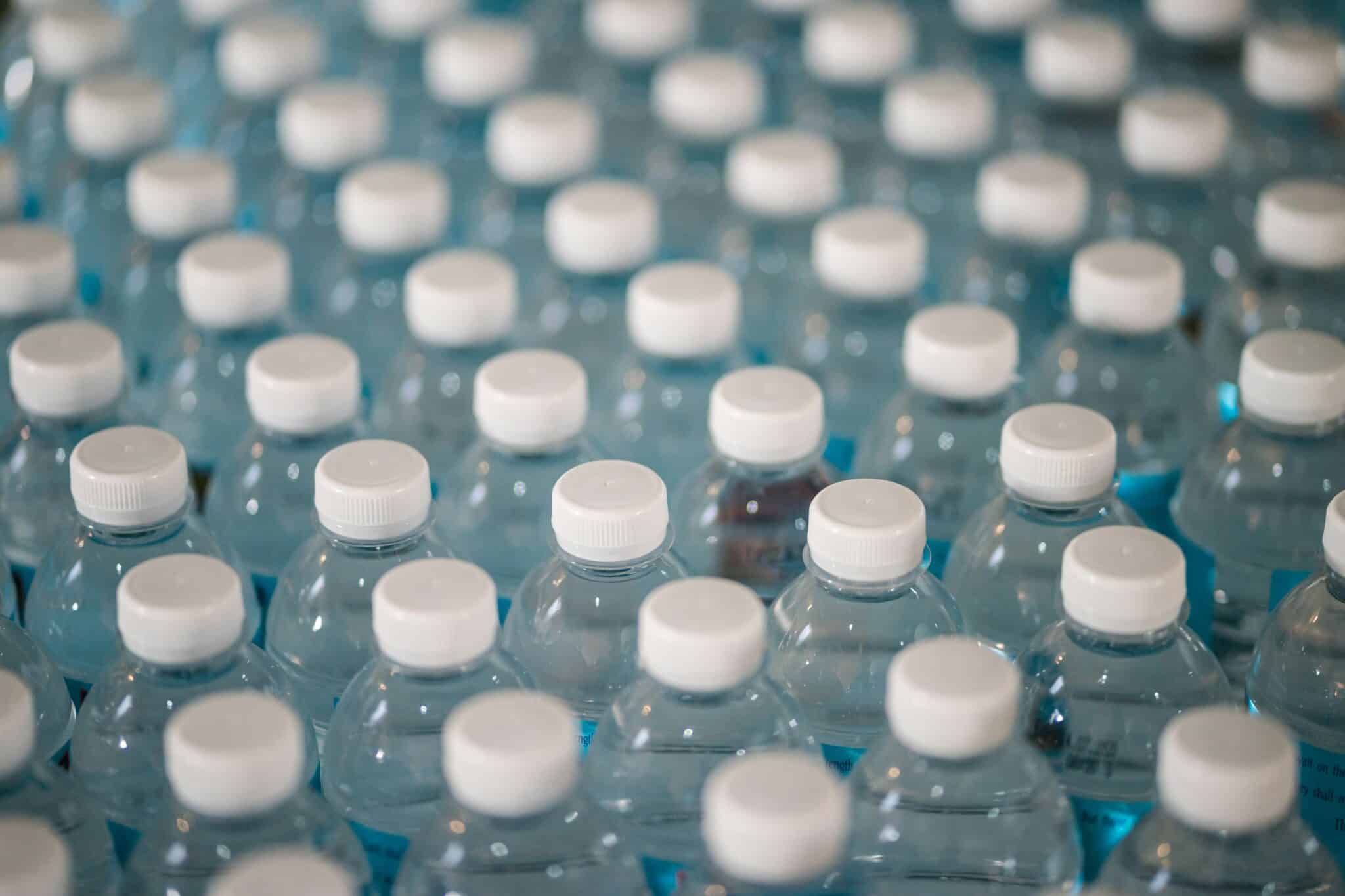
Dasani was not simply bottled tap water in a literal sense. The water entering Coca-Cola’s Sidcup facility was drawn from mains supply, then processed through multi-stage filtration, including reverse osmosis. Minerals such as calcium and magnesium were added back to standardise taste.
From a technical standpoint, this was a manufactured beverage product. From a consumer standpoint, however, the distinction proved less persuasive.
At launch, a 500ml bottle retailed at around 95p. By comparison, the equivalent volume of UK tap water cost a fraction of a penny. While the pricing could be justified within a premium packaged-goods framework, it proved difficult to defend in everyday consumer terms — particularly once the product’s source became widely discussed.
The gap between technical explanation and public perception proved decisive. Products must succeed not only in formal justification, but in informal, social contexts — the “dinner-party test.” Dasani did not.
Lesson 2: Pre-launch press is the real launch
In August 2003, several months before the official UK rollout, trade publication The Grocer reported on the product’s sourcing. The story attracted limited attention initially but was later picked up by national media shortly before launch.
By the time Coca-Cola’s marketing campaign reached television and billboards in February 2004, the narrative had already been shaped. Comparisons were widely drawn in the press to “Peckham Spring,” a fictional bottled tap water from the BBC sitcom Only Fools and Horses.
The comparison resonated because it was culturally familiar and easily understood. Once established, it proved difficult to counter.
The lesson is straightforward: market narratives often form before formal launch. Trade coverage, early disclosures, and supply-chain visibility can shape public perception well in advance of advertising campaigns.
Lesson 3: Every market needs a veto-empowered local voice
Contemporary reporting also highlighted challenges in adapting messaging for the UK market. In particular, there were accounts suggesting that certain language considered acceptable in US marketing contexts carried unintended connotations in British English.
While details vary across sources, the broader issue is widely recognised in post-analysis of European market entry failures: the launch process lacked sufficiently empowered local oversight to challenge or refine messaging before rollout.
For a campaign of this scale, the absence of a clearly empowered local decision-maker proved significant. Effective market entry requires more than consultation — it requires the ability to intervene and veto when necessary.
Lesson 4: The process is part of the product
On 18 March 2004, UK regulators identified a batch of Dasani containing bromate above recommended limits. Bromate is classified by the International Agency for Research on Cancer as a possible human carcinogen. The UK Food Standards Agency stated at the time that there was no immediate risk to public health but advised a precautionary recall.
Coca-Cola withdrew approximately 500,000 bottles within 24 hours.
Subsequent reporting indicated that the issue arose as an unintended byproduct of the treatment process used during production. The episode highlighted an important structural point: when a product’s value proposition depends on transformation or processing, that process becomes integral to the product itself.
If the process fails — operationally or in public perception — the entire premium proposition can be undermined.
This principle extends well beyond bottled water, applying equally to sectors such as AI systems, financial engineering, and complex supply chains today.
Lesson 5: Brand damage extends far beyond direct losses
Coca-Cola’s direct financial loss from the UK withdrawal was estimated at around £25 million. However, industry commentary at the time suggested that the broader cost — including reputational impact and lost expansion opportunities — was significantly greater.
Plans to extend Dasani across European markets were cancelled. In later years, Coca-Cola used alternative brands for water products in the UK rather than reintroducing Dasani.
The long-term effect illustrates a common pattern: the immediate financial impact of a failed launch is often only a fraction of the total cost. Missed market entries, altered strategy, and brand repositioning can extend the impact for years.
The case study that endured
The Dasani UK launch is now widely referenced in business education and industry analysis, including at institutions such as Harvard, INSEAD, and London Business School. It is frequently cited in discussions of market entry and brand positioning, and crisis management.
More than twenty years on, the underlying lessons remain consistent:
- Products must succeed both technically and culturally
- Market narratives form early and are difficult to reverse
- Local expertise must carry decision-making authority
- Processes are inseparable from product value
- Brand damage often exceeds direct financial loss
Coca-Cola continues to sell billions of servings globally each day. In Europe, Dasani is not one of them. The broader pattern — that brand recovery is possible but slow — applies across the consumer-goods sector decades after the Dasani case.
Related Analysis
- Why Burberry Burned £28 Million of Its Own Stock — On Purpose
- Why Saudi Arabia Just Walked Away From a $6 Billion Golf Bet
- Elon Musk Will Soon Be Worth More Than Saudi Arabia’s Sovereign Wealth Fund
Editorial note
This article is based on publicly available reporting and historical records of the Dasani UK launch and withdrawal.